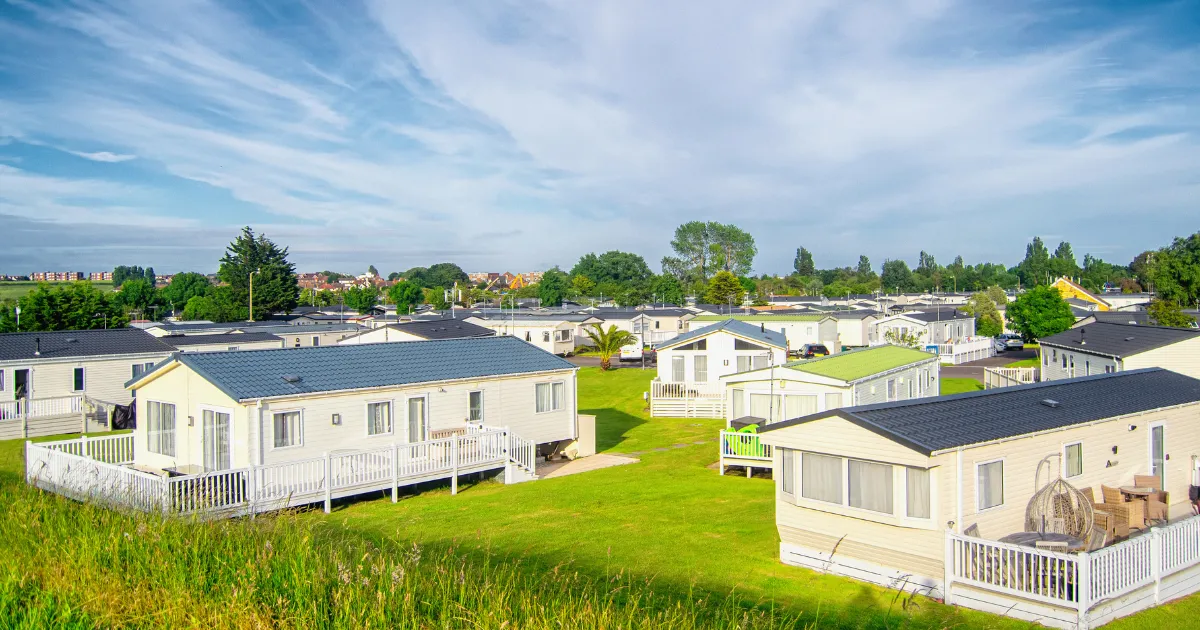
If you’re beginning your home search, you’ll quickly notice just how many types of houses are out there. While price and location often top the list of considerations, architectural style can play a big role in how a house feels—and whether it feels like home.
Here are some of the most common styles of detached homes you might come across in your search:
Cape Cod
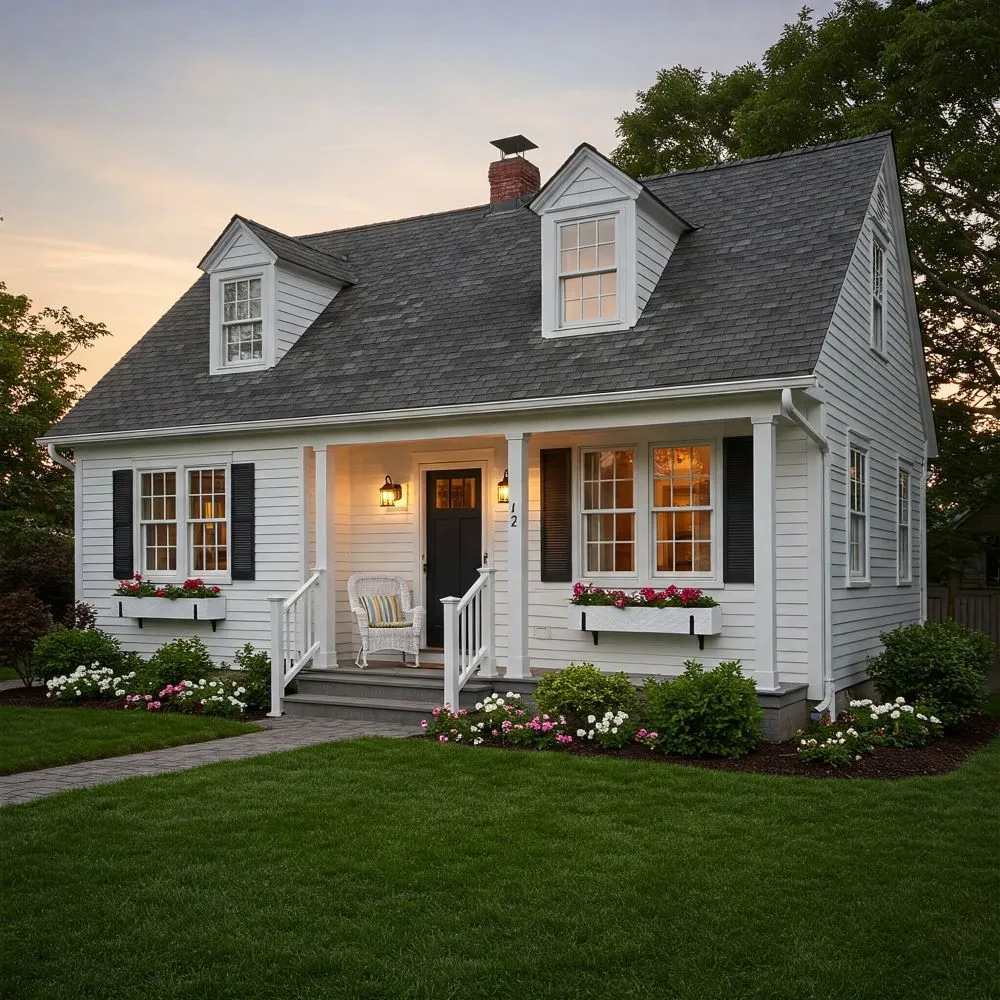
Originating in New England, Cape Cod homes are compact, symmetrical, and practical. They often feature steep, gabled roofs, a centered front door, and dormer windows that provide extra space and light upstairs. Interiors typically include a modest first floor layout with a central fireplace and a couple of smaller bedrooms tucked under the roofline
Colonial
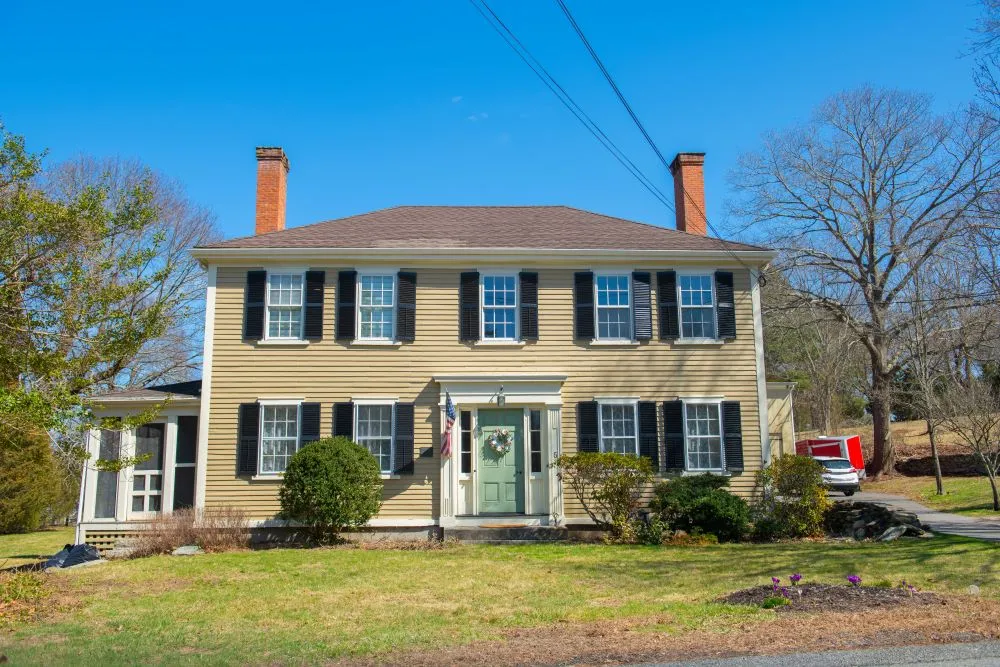
One of the most enduring American styles, Colonial homes are known for their symmetry and formality. Sometimes referred to as "5 over 4 and a door"(windows). Expect a centered front entry, evenly spaced windows, and a rectangular footprint. These homes usually span two or more stories. Variants include Georgian, Federal, Dutch Colonial (with gambrel roofs), Southern Colonial (with tall columns), and Spanish Colonial (featuring stucco and tile).
Victorian
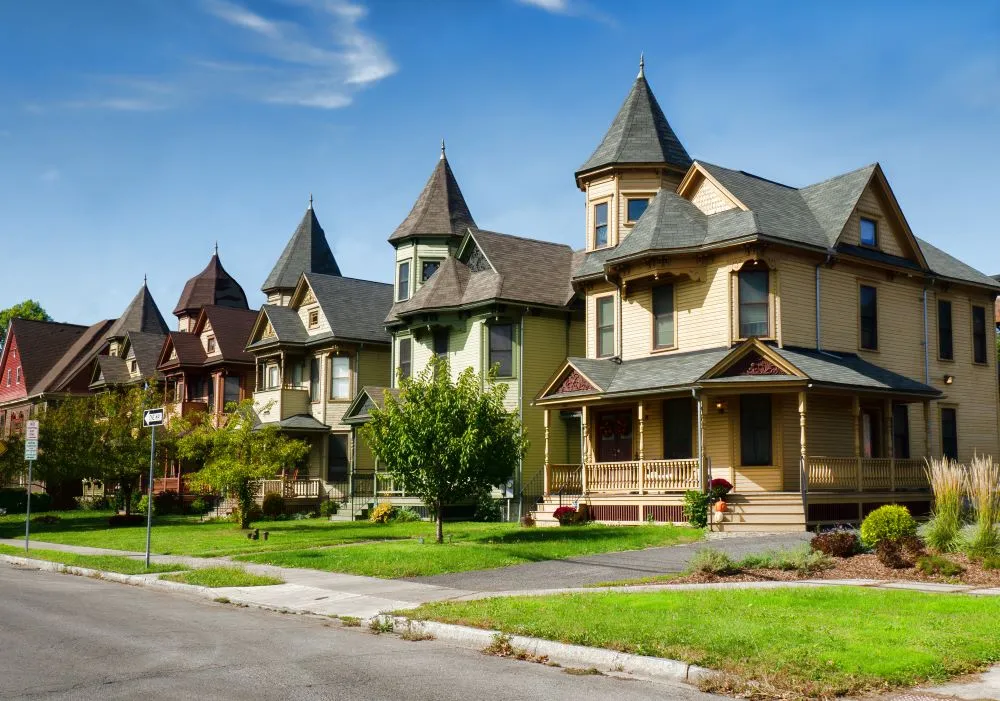
Victorian homes are ornate, often colorful, and architecturally detailed. Common features include asymmetrical facades, turrets, gables, decorative trim (also called “gingerbread”), and expansive front porches. Inside, you’ll find high ceilings, intricate moldings, and dramatic staircases. Popular subtypes include Queen Anne and Second Empire.
Ranch
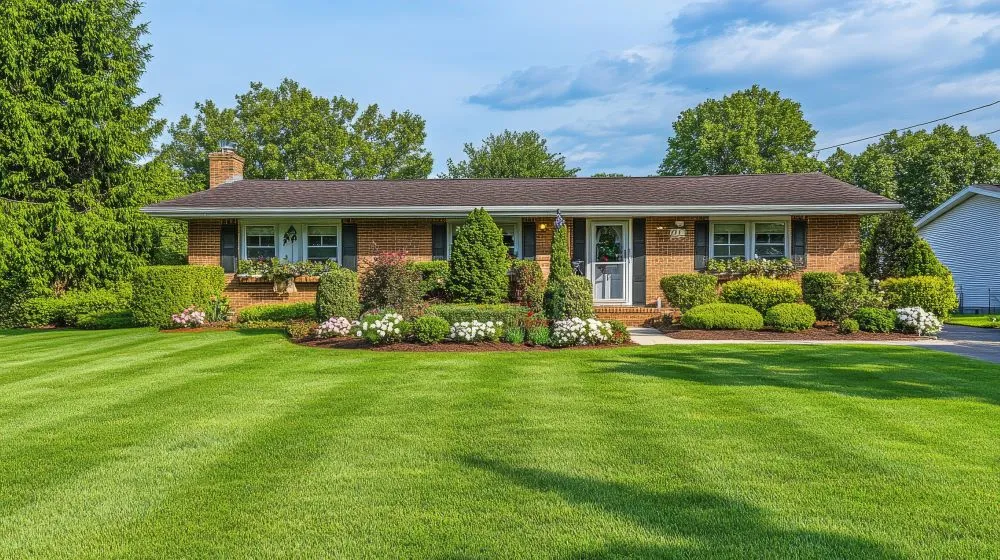
Ranch homes offer single-story living with open layouts and a casual feel. Typically featuring long, low-pitched roofs and large windows, ranch homes often include sliding glass doors that open to patios or backyards. They’re ideal for buyers seeking simplicity, accessibility, or room to expand outward.
Farmhouse
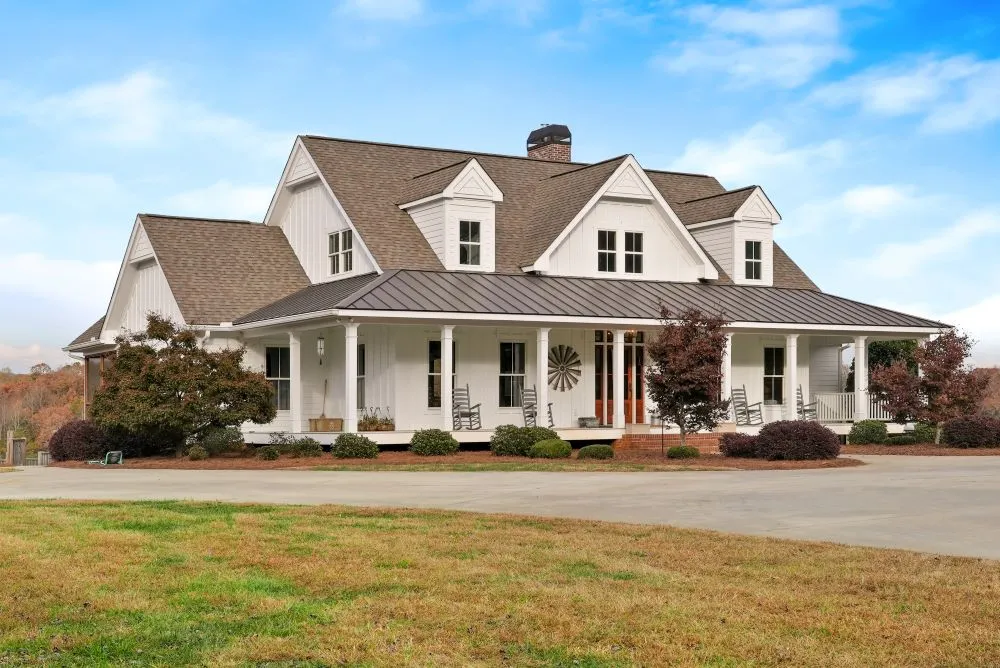
Rooted in rural traditions, modern farmhouse homes blend rustic charm with contemporary finishes. Common exterior features include wide front porches, metal roofs, and board-and-batten siding. Interiors often showcase open floor plans, shiplap walls, exposed beams, and a neutral, cozy color palette. The farmhouse style works well in both country and suburban settings.
Craftsman
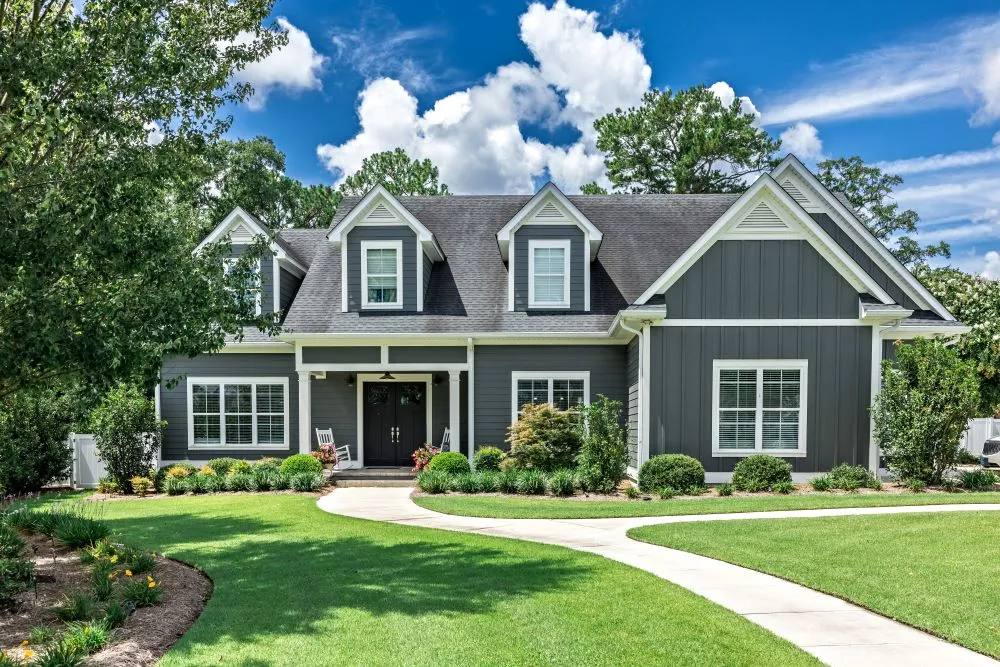
Craftsman homes celebrate craftsmanship and natural materials. Look for low-pitched gabled roofs, deep eaves, exposed rafters, and porches supported by thick, tapered columns. Inside, you'll often find built-ins, window seats, and woodwork. This style is especially popular in California, the Pacific Northwest, and Midwest cities.
Tudor
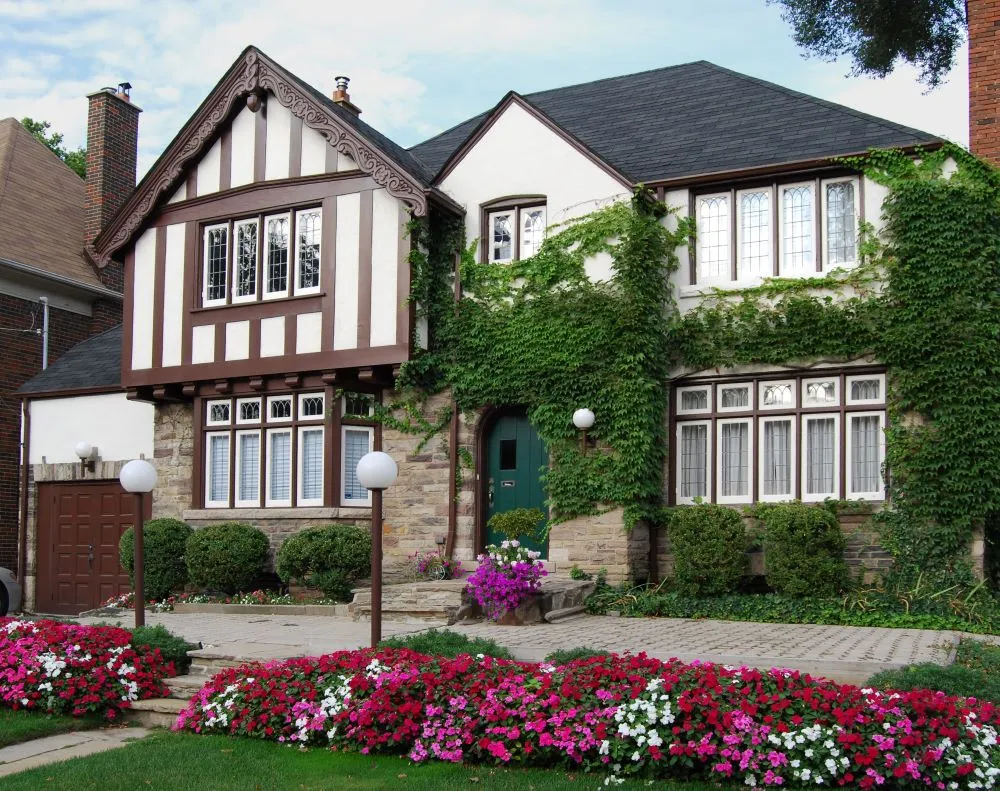
Tudor homes echo medieval English architecture, with steep-pitched roofs, front-facing gables, tall narrow windows, and decorative half-timbering over stucco. Brick or stone accents and prominent chimneys are also common. Inside, Tudors often include arched doorways and dark wood detailing.
Mid-century modern
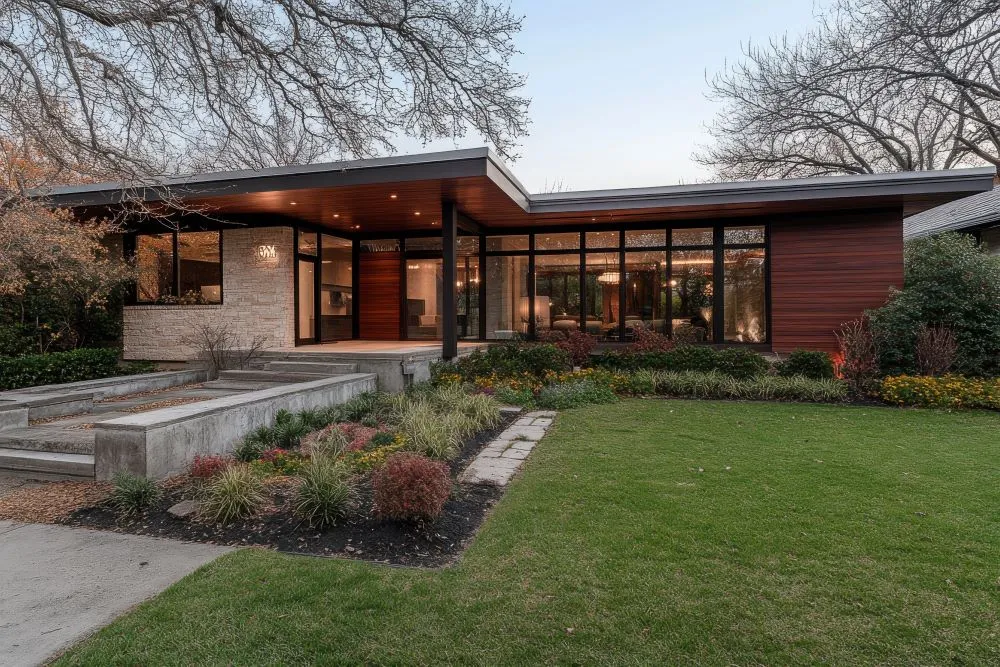
Designed between the 1940s and 1960s, mid-century modern homes embrace simplicity, function, and a connection to nature. Expect flat planes, large glass windows, open floor plans, and minimal ornamentation. Carports, breezeways, and built-in cabinetry are also common. These homes are popular in places like California, Arizona, and Texas
Contemporary
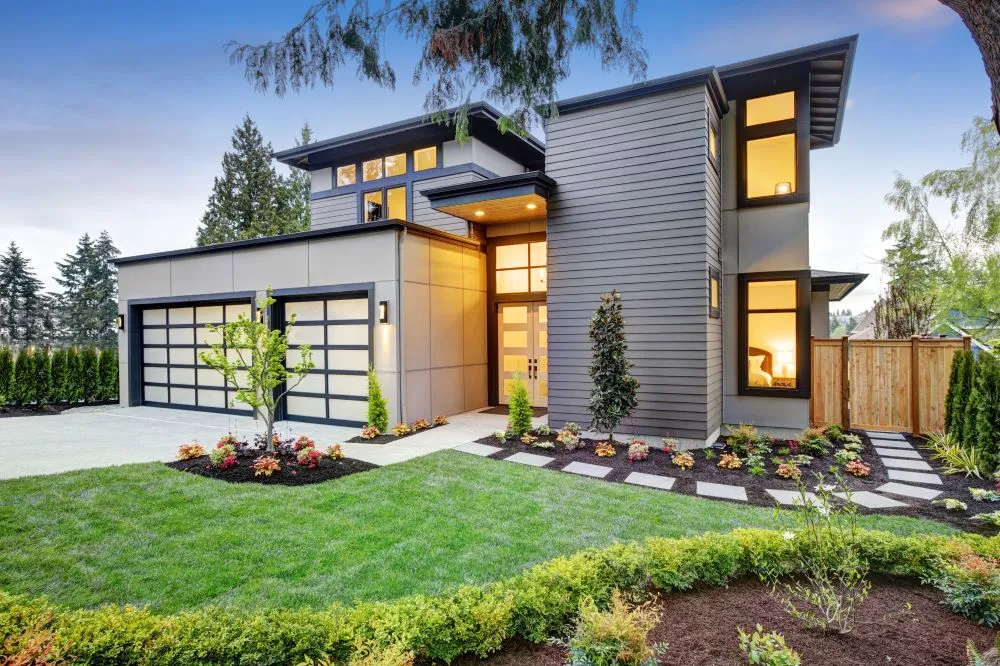
Contemporary homes are ever-evolving, incorporating current trends in materials, layout, and sustainability. These houses often feature clean lines, expansive windows, mixed materials (like concrete, metal, and wood), and flexible living spaces. Many prioritize energy efficiency and smart home tech.
Choosing the Right Style for You
Every home style offers something different—from cozy charm to wide-open living space to historic elegance. Your preferences, lifestyle, and budget all play a part in finding the best fit.
That’s where CapCenter’s realty team comes in.
Our experienced agents understand the nuances of local architecture and market trends. Whether you're drawn to the timeless appeal of a Colonial or the laid-back vibe of a Ranch, we’ll help you zero in on the right home—and save you thousands along the way with our low real estate fees and ZERO Closing Cost mortgage options.
Let CapCenter simplify your search.
Connect with our team today to start your journey toward the perfect home.