
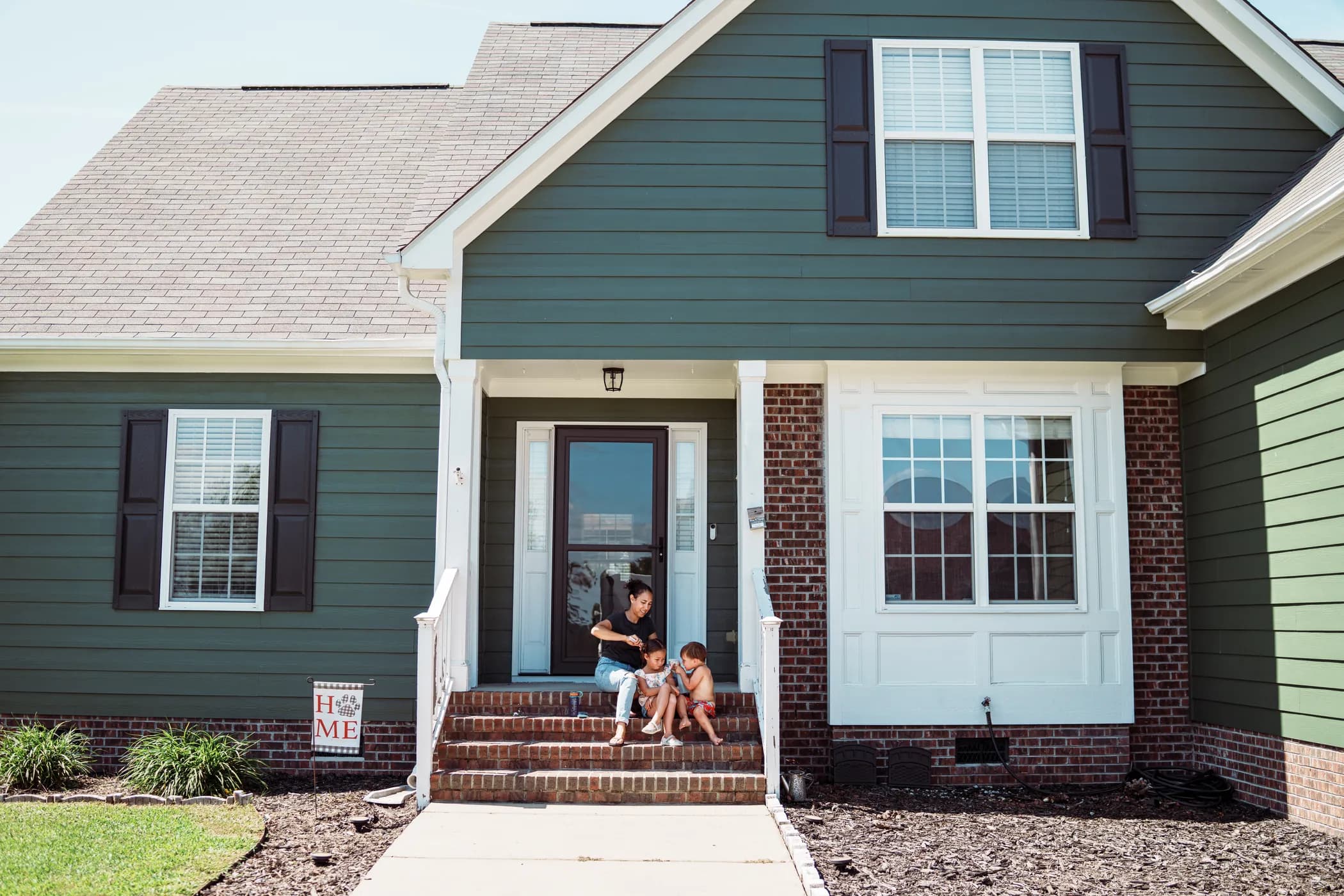
 Shopped by real people
Home insurance, shopped for you.
We compare 20 carriers. Clients save 20% on average. Believe It.
- Tell us what to cover (about 3 min)
- Your agent compares 20 carriers
- You get your options the same business day
Including Travelers, Northern Neck, Safeco, Utica National and ASI.
Insure the house, not the price tag.
Buying a home puts three big numbers in front of you. Only one of them sets your dwelling coverage, and (spoiler) it's not the price.
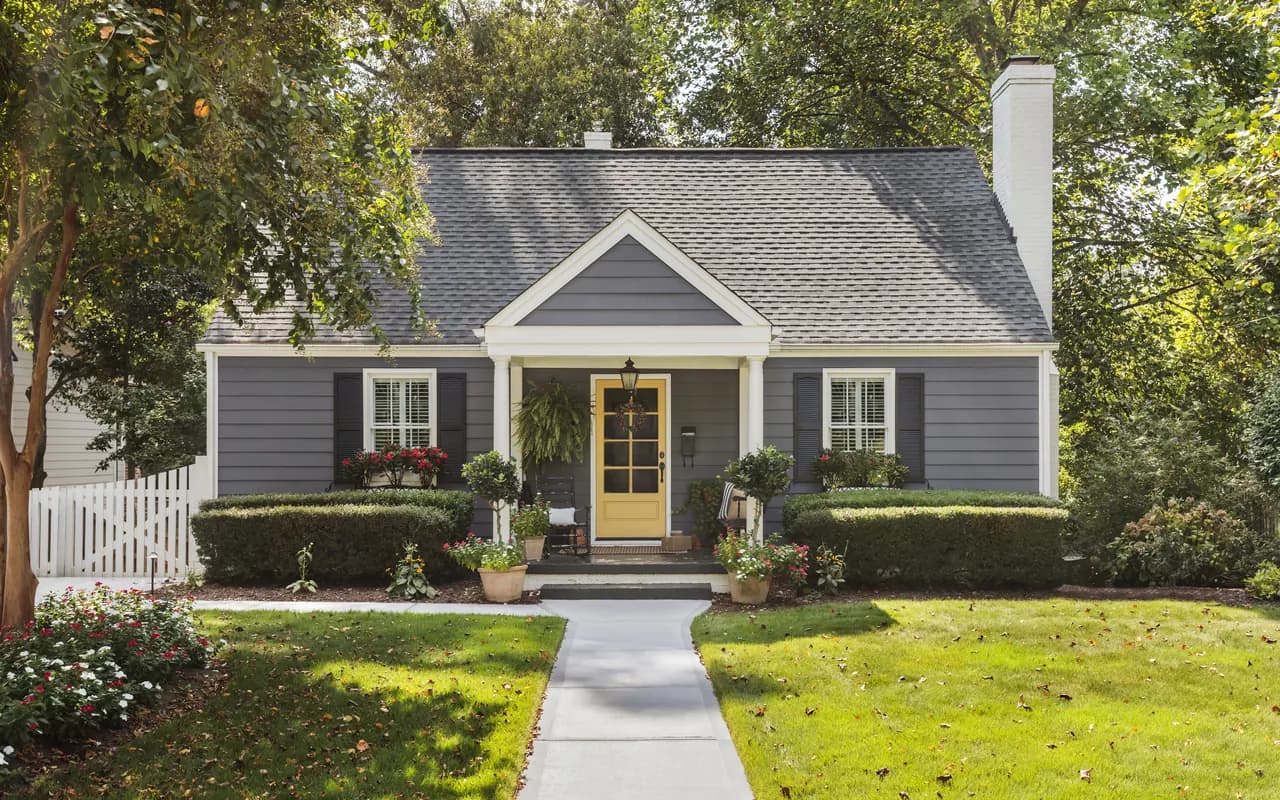 Cover what you’d rebuild
Market price
What a buyer pays: the house, the land under it and the location. Land doesn't burn down, so it doesn't need insuring.1
Loan amount
What you borrow. Your lender has its own insurance requirements, and we line those up with your loan officer. It still isn't the number your coverage is built on.
Rebuild cost
What it could cost to rebuild the house from the ground up: labor, materials, today’s building code. This is the number your dwelling limit should cover. Carriers estimate it from size, construction & finishes.
Try it on an example home
Example numbersIllustrative only. Land shares, the 10% down payment and the custom-home rebuild premium are made-up example values, not averages. Your agent gets the real rebuild estimate from the carrier.
What it covers & what it skips.
A standard homeowners policy covers a lot. It also skips a few big things people assume are in there. Every policy is a little different, so your declarations page always has the final word.
- Dwelling
Repairs or rebuilds the house after a covered loss like fire or a fallen tree.
- Other structures
Fences, sheds & detached garages.
- Personal property
Furniture, clothing & electronics. Jewelry and art often have lower limits unless you schedule them.
- Liability
If someone is hurt on your property, or you accidentally damage someone else's.
- Loss of use
Extra living costs, like a rental, while your home is repaired after a covered loss.1
- Earth movement
Earthquakes and other earth movement are generally excluded. Earthquake coverage may be available as an add-on.1
- Wear & maintenance
Insurance is for sudden damage, not things that wear out. A roof that's simply old, or a slow leak left alone, usually isn't a claim.
- Sewer or water backup
Excluded from many base policies unless you add it. In Virginia, carriers must offer this coverage, and may charge extra for it.1
Wind & hail deductibles
Near the coast, in places like Hampton Roads and the Outer Banks, many policies carry a separate wind, hail or named-storm deductible. It's often a percentage of your dwelling coverage, not a flat dollar amount, which makes it a lot bigger than it sounds.1,2
We'll put the wind deductible for every option side by side, so there are no surprises after you buy.
Condo, landlord & umbrella.
Different kind of home, different kind of policy. Here's the short version of each.
Condo
The building's master policy covers the structure your association insures. An HO-6 covers what's yours.1
- Your belongings
- Walls-in: floors, cabinets, upgrades
- Your personal liability
- Loss of use
Tip: send us your association's master policy summary. It shows us where their coverage stops and yours starts.
Landlord / rental
A homeowners policy is written for the home you live in. Once you rent it out, you usually need a dwelling (landlord) policy instead.
- The rental house itself
- Liability as the owner
- Lost rent after a covered loss (if included)
Tip: your tenant's stuff isn't on your policy. Ask them to carry renters insurance.
Umbrella
Extra liability coverage above your home & auto limits. It kicks in when a serious claim uses up the liability on your underlying policies.
- Sits on top of home & auto
- Requires minimum limits underneath
- Worth a look if you have equity to protect
From “offer accepted” to keys in hand.
Your lender needs proof of homeowners insurance before you close. Here's when each piece happens, so nothing sneaks up on you the week of closing.
- Offer accepted
Once you're under contract, you have an address and a closing date, which is everything we need to start shopping. Start even sooner if the home is older, near the coast or in a flood zone.
- During inspection
Roof age, updates to wiring, plumbing and heating, and anything the inspector flags all affect price and which carriers will write the home. Your flood zone matters too: if the home is in a high-risk flood area and your mortgage is from a government-backed lender, flood insurance is required.4
- Ahead of closing
You choose a policy and we bind it (that’s insurance-speak for “make it official”), effective on your closing date. Need flood? There’s no 30-day wait for a flood policy bought while you’re getting your mortgage.3
- Before closing day
Your lender needs the declarations page with its mortgagee clause: the lender’s exact name and address, plus your loan number, so the lender is listed on the policy. It also needs proof the first year’s premium is paid, or that it’ll be paid at closing.
We send it straight to closing - After closing
If you escrow, your loan servicer pays each renewal from your escrow account. And if your rate goes up, we re-shop it at renewal.

One less thing to chase before closing.
Our insurance team works next to your loan officer, so your policy is ready on time.
Grab these & you’re done in 3 minutes.
The form takes about 3 minutes. The first list is what it asks. The second is what your agent may ask when you talk. Keep them handy and your options show up faster.
One agency, one renewal date.
Insuring your cars too? Quote home & auto together and they line up from day one.
Multi-policy discount
Bundling home or renters with auto usually earns a multi-policy discount.
One agency
Home & auto with our in-house agency. One team to call when something happens.
One renewal date
One date for home & auto, and we re-shop at renewal if your rate goes up.
Limits that line up
An umbrella needs set liability limits on both policies. Quoting them together means they match from day one.
Real people, not a call center.
As a local provider, we're easy to talk to. We don't operate a call center, so you'll have a dedicated, licensed representative.




- Next to your loan officerOur insurance team works next to your loan officer, so your policy is ready on time.
- Not on commissionSalaried agents compare carriers for you.
- Every yearWe re-shop at renewal if your rate goes up.
- Same teamMortgage, insurance & settlement under one roof.
 Family owned since 1997
Need help with a policy or a claim?
Filing a claim?
For a claim, your carrier's claims line, usually open 24/7, is on your policy's declarations page or ID card.
Good questions, straight answers.
When do I need homeowners insurance when buying?
Your lender requires proof of homeowners insurance before closing. We recommend starting your quote once your offer is accepted.
Should I insure my home for what I paid?
Not necessarily. Your price includes the land, which doesn't need rebuilding, and the location. Your dwelling coverage should match what it could cost to rebuild the house itself. That can come in under the price, or over it for an older or custom home. We get the estimate from the carrier and walk you through it.1
Is flood damage covered by homeowners insurance?
What's a wind or named-storm deductible?
A separate deductible that applies only to wind, hail or named-storm damage, common near the coast. It's often a percentage of your dwelling coverage: 2% of a $300,000 limit is $6,000. It's on your declarations page, and we show it on every option we quote.2
What's a declarations page?
The summary page, usually page 1 or 2, of your current home or auto policy. It lists your coverages, limits, deductibles, premium and policy dates. Upload it with your quote and we'll match your exact coverage across carriers, so you're comparing apples to apples.
Can I bundle home and auto?
Yes. Choose Home & Auto on the quote form and we'll quote them together. Bundling home or renters with auto usually earns a multi-policy discount, plus one agency and one renewal date.
Do I need a CapCenter mortgage to get a quote?
No. Anyone can get a quote. If you are financing with CapCenter, we coordinate your policy and proof of insurance with your closing.
What if my rate goes up at renewal?
We re-shop at renewal if your rate goes up. Salaried agents compare carriers for you.

Compare home insurance rates.
- Tell us what to cover (about 3 min)
- Your agent compares 20 carriers
- You get your options the same business day
- Virginia State Corporation Commission, Bureau of Insurance: Virginia Homeowners Insurance Guide (replacement cost excludes land; separate wind, hail & named-storm deductibles; flood & earthquake exclusions; water & sewer backup must be offered; HO-6; additional living expenses).
- North Carolina Department of Insurance: Windstorm and Hail (percentage wind/hail and named-storm deductibles; 2% of $300,000 example).
- FEMA, FloodSmart: Buy a Flood Insurance Policy (30-day waiting period; no wait when buying with a mortgage; $250,000 building and $100,000 contents limits).
- FEMA: Flood Insurance (most homeowners insurance doesn't cover flood; required for government-backed mortgages in high-risk flood areas).
Coverage descriptions are general and for education only. Your policy's terms, conditions and exclusions govern, and coverage varies by carrier and state.
Restrictions apply. See CapCenter.com for details. NMLS ID #67717, nmlsconsumeraccess.org