
Learning Center
Clear answers on lowering your rate, taking cash out, buying and selling, from the loan consultants and REALTORS® who do it every day.
Latest
563 itemsArticleTake cash out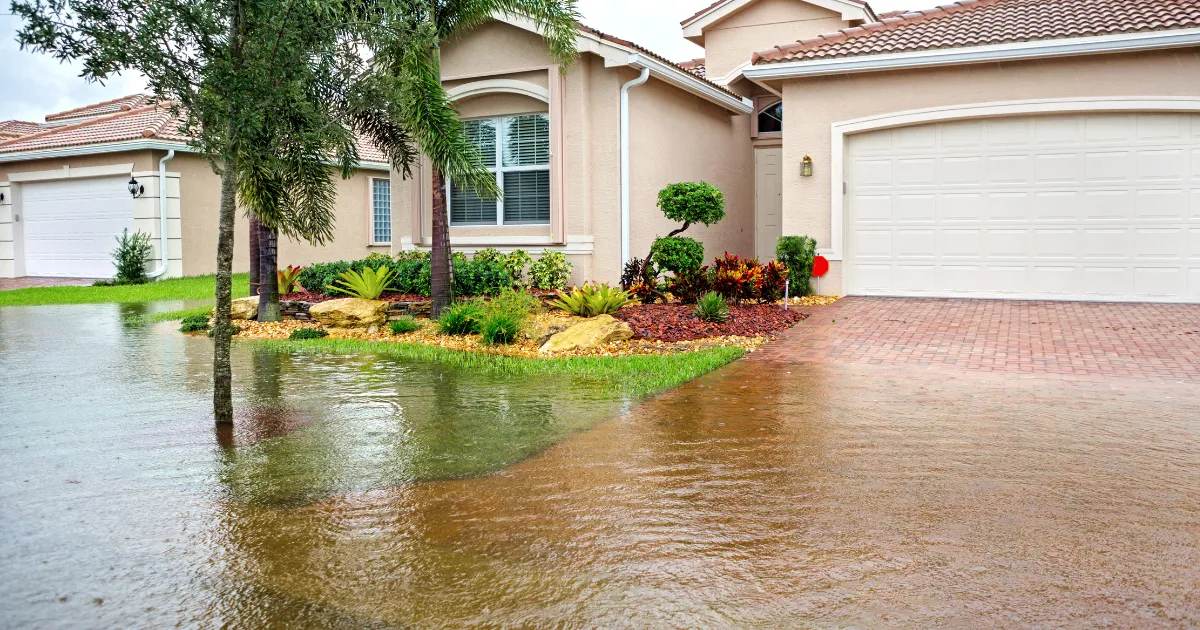 ArticleBuy a home
 ArticleLower my rate
 ArticleLower my rate
 ArticleBuy a home
 ArticleTake cash out
 ArticleTake cash out
 ArticleTake cash out
 ArticleSell a home
 ArticleAll topics
 ArticleNews
 ArticleBuy a home
 ArticleAll topics
 ArticleBuy a home
 ArticleBuy a home
 ArticleAll topics
 ArticleSell a home
 ArticleBuy a home
 ArticleTake cash out
 ArticleBuy a home
 ArticleAll topics
 ArticleSell a home
 ArticleBuy a home
 ArticleAll topics
 ArticleLower my rate
 ArticleBuy a home
 ArticleAll topics
 ArticleSell a home
 ArticleLower my rate
 ArticleSell a home
 ArticleLower my rate
 ArticleBuy a home
 ArticleBuy a home
 ArticleBuy a home
 ArticleBuy a home
 ArticleBuy a home
 ArticleBuy a home
 ArticleSell a home
 ArticleAll topics
 ArticleBuy a home
 ArticleBuy a home
 ArticleSell a home
 ArticleSell a home
 ArticleSell a homeArticleLower my rate
 ArticleTake cash out
 ArticleSell a home
 ArticleSell a home
 ArticleSell a home
 ArticleBuy a home
 ArticleBuy a home
 ArticleSell a home
 ArticleAll topics
 ArticleAll topics
 ArticleNews
 ArticleAll topics
 ArticleLower my rate
 ArticleLower my rate
 ArticleSell a home
 ArticleLower my rate
 ArticleBuy a home
 ArticleNews
 ArticleAll topics
 ArticleAll topics
 ArticleBuy a home
 ArticleAll topics
 ArticleBuy a home
 ArticleSell a home
 ArticleSell a home
 ArticleAll topics
 ArticleBuy a home
 ArticleAll topics
 ArticleAll topics
 ArticleAll topics
 ArticleTake cash out
 ArticleAll topics
 ArticleAll topics
 ArticleAll topics
 ArticleAll topics
 ArticleLower my rate
 ArticleBuy a home
 ArticleAll topics
 ArticleBuy a home
 ArticleAll topics
 ArticleAll topics
 ArticleBuy a home
 ArticleAll topics
 ArticleTake cash out
 ArticleLower my rate
 ArticleLower my rate
 ArticleNews
 ArticleNews
 ArticleTake cash out
 ArticleAll topics
 ArticleBuy a home
 ArticleNews
 ArticleAll topics
 ArticleBuy a home
 ArticleAll topics
 ArticleBuy a home
 ArticleBuy a home
 ArticleBuy a home
 ArticleBuy a home
 ArticleBuy a home
 ArticleTake cash out
 ArticleTake cash out
 ArticleLower my rate
 1 min watchTake cash out
 ArticleTake cash out
 1 min watchLower my rate
 1 min watchBuy a home
 ArticleInsure a home
 ArticleTake cash out
 1 min watchLower my rate
 1 min watchSell a home
 ArticleBuy a home
 1 min watchBuy a home
 ArticleSell a home
 ArticleNews
 ArticleLower my rate
 1 min watchLower my rate
 ArticleLower my rate
 ArticleLower my rate
 ArticleSell a home
 ArticleBuy a home
 ArticleAll topics
 ArticleLower my rate
 ArticleBuy a home
 ArticleBuy a home
 ArticleBuy a home
 ArticleAll topics
 ArticleBuy a home
 ArticleBuy a home
 ArticleNews
 ArticleNews
 ArticleBuy a home
 ArticleNews
 ArticleAll topics
 ArticleLower my rate
 ArticleLower my rate
 ArticleAll topics
 ArticleAll topics
 ArticleAll topics
 ArticleBuy a home
 ArticleSell a home
 ArticleAll topics
 ArticleAll topics
 ArticleAll topics
 ArticleBuy a home
 ArticleInsure a home
 ArticleBuy a home
 ArticleTake cash out
 ArticleAll topics
 ArticleAll topics
 ArticleAll topics
 ArticleSell a home
 ArticleAll topics
 ArticleAll topics
 ArticleAll topics
 ArticleLower my rate
 ArticleAll topics
 ArticleLower my rate
 ArticleBuy a home
 ArticleAll topics
 ArticleAll topics
 ArticleBuy a home
 ArticleSell a home
 ArticleBuy a home
 ArticleInsure a home
 ArticleAll topics
 ArticleAll topics
 ArticleAll topics
 ArticleNews
 ArticleTake cash out
 ArticleNews
 ArticleBuy a home
 ArticleNews
 ArticleNews
 ArticleLower my rate
 ArticleBuy a home
 ArticleAll topics
 ArticleBuy a home
 ArticleNews
 ArticleAll topics
 ArticleAll topics
 ArticleAll topics
 ArticleAll topics
 ArticleAll topics
 ArticleAll topics
 ArticleAll topics
 ArticleAll topics
 ArticleAll topics
 ArticleAll topics
 ArticleBuy a home
 ArticleAll topics
 ArticleAll topics
 ArticleAll topics
 ArticleAll topics
 ArticleAll topics
 ArticleAll topics
 ArticleLower my rate
 ArticleAll topics
 ArticleAll topics
 ArticleBuy a home
 ArticleAll topics
 ArticleAll topics
 ArticleSell a home
 ArticleInsure a home
 ArticleInsure a home
 ArticleAll topics
 ArticleSell a home
 ArticleInsure a home
 ArticleBuy a home
 ArticleAll topics
 ArticleBuy a home
 ArticleInsure a home
 ArticleBuy a home
 1 min watchBuy a home
 ArticleAll topics
 ArticleBuy a home
 ArticleLower my rate
 ArticleAll topics
 ArticleInsure a home
 ArticleSell a home
 ArticleBuy a home
 ArticleBuy a home
 ArticleBuy a home
 ArticleBuy a home
 ArticleBuy a home
 ArticleAll topics
 ArticleSell a home
 ArticleLower my rate
 ArticleAll topics
 ArticleInsure a home
 ArticleBuy a home
 ArticleAll topics
 ArticleAll topics
 ArticleLower my rate
 ArticleAll topics
 ArticleAll topics
 ArticleInsure a home
 ArticleInsure a home
 ArticleAll topicsArticleAll topics
 ArticleSell a home
 ArticleAll topics
 ArticleLower my rate
 ArticleAll topics
 ArticleAll topics
 ArticleAll topics
 ArticleAll topics
 ArticleBuy a home
Home equity loan payment examples by loan amount
What would a home equity loan cost each month? Here are payment examples from $50,000 to $250,000 on 15-, 20- and 30-year terms, how the term changes your total interest, and what sets your rate.4 min readArticleTake cash outHow much equity can I borrow?
How much you can borrow against your home depends on its value, what you owe and the lender’s limit. Here is the math, equity examples at common home values, and what else affects your maximum.2 min readArticleBuy a homeBuying a Home in a Flood Zone: What You Need to Know
Buying in a flood zone? Learn how flood zones impact mortgages, insurance, and resale value—and how CapCenter can help you save with ZERO Closing Costs.8 min readArticleLower my rateCan I Refinance with Bad Credit? Options and Tips
Learn how to refinance your mortgage with bad credit. Explore FHA, VA, and equity options, plus tips to improve approval odds.10 min readArticleLower my rateCan I Refinance Without an Appraisal?
Wondering if you can refinance without a home appraisal? Learn when appraisal waivers apply and how CapCenter helps you save with ZERO Closing Costs.11 min readArticleBuy a homeCapCenter First Time Home Buyer Programs in 2026
Explore first time home buyer programs in 2026 including FHA, VA, Virginia 1% down grants, and ZERO Closing Cost mortgages. Learn how CapCenter helps first time buyers save thousands and simplify the process.9 min readArticleTake cash outCash-Out Refinance vs. Home Equity Loan: Which Is Right for You?
Cash-out refinance or home equity loan? Learn the key differences, trade-offs, and how CapCenter saves you money with ZERO Closing Costs15 min readArticleTake cash outCash-Out Refinance vs. Rate-and-Term Refinance
Understand the difference between cash-out and rate-and-term refinancing. Compare benefits, risks, and how CapCenter helps with ZERO Closing Costs.11 min readArticleTake cash outCash-Out Refinancing
Learn how cash-out refinancing works, when it makes sense, and how CapCenter’s ZERO Closing Cost loans help you unlock equity without extra fees.10 min readArticleSell a homeChallenges of Selling FSBO
Thinking of selling your home FSBO? Learn the common pitfalls of going it alone—and how CapCenter’s realty team helps you sell for more while saving big.9 min readArticleAll topicsChoosing the Right Real Estate Agent
Learn how to choose the right realtor for your home buying or selling journey. Discover why CapCenter’s full-service agents stand apart.3 min readArticleNewsFed Cuts Federal Funds Rate by 25 Basis Points: What it Means for Mortgage Rates and Homebuyers
The Fed cut rates by 25 basis points on Sept. 17, 2025. Learn what this means for mortgage rates, homebuyers, and refinancing opportunities.6 min readArticleBuy a homeFHA Appraisals: How They Work and Why They Are Different
FHA appraisals differ from conventional ones in important ways. Learn the rules on property condition, paint, the flip rule, and more.11 min readArticleAll topicsFHA & VA Loans
Learn the key differences between FHA and VA loans, their benefits, and how CapCenter saves you thousands with ZERO Closing Costs.8 min readArticleBuy a homeFirst-Time Homebuyer Tips
Buying your first home? CapCenter’s expert tips for first-time homebuyers help you avoid common mistakes and save money with ZERO Closing Costs.9 min readArticleBuy a homeFixed vs. Adjustable Mortgage for Buyers: Which One Is Right for You?
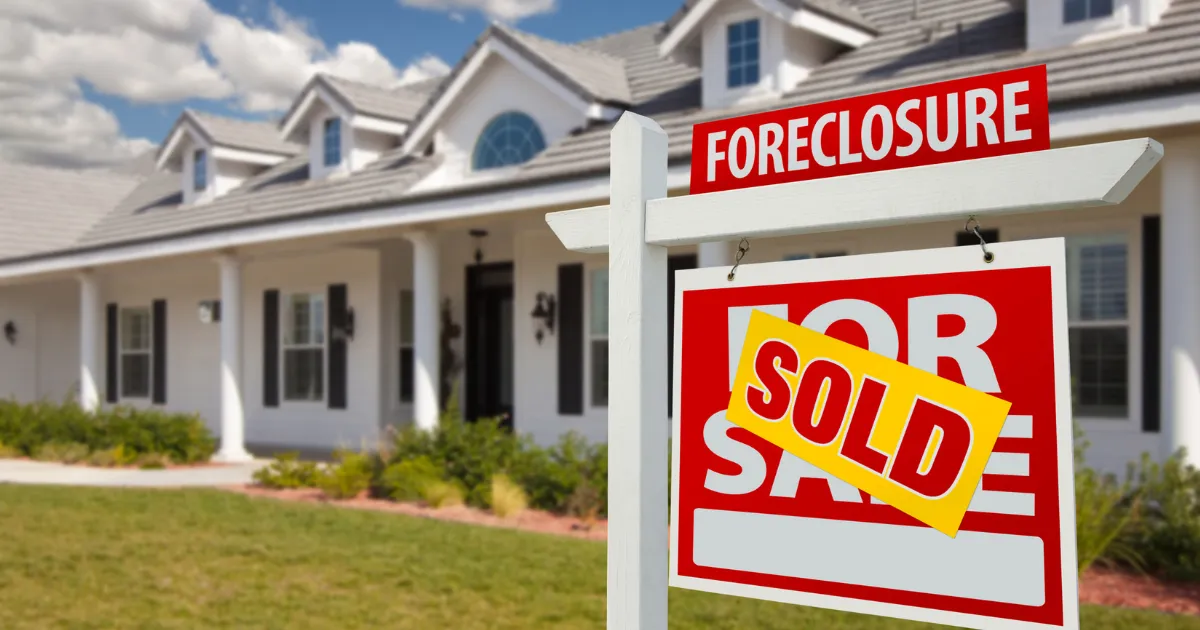
Should you choose a fixed-rate or adjustable-rate mortgage? Learn the pros, cons, and cost differences with CapCenter’s guide to smarter mortgage choices.9 min readArticleAll topicsForeclosures on the Rise in 2025: What You Need to Know
Foreclosures are rising in 2025, but it’s no 2008 repeat. Learn why defaults are increasing, which states are hardest hit, and how CapCenter can help homeowners.7 min readArticleSell a homeFSBO vs. Listing with Agent
Should you sell FSBO or with an agent? CapCenter compares both paths and offers 1% listing fees when you sell and buy with us.13 min readArticleBuy a homeHome Bidding Negotiation Tactics That Actually Work
Learn how to win a home bidding war with smart negotiation tactics, strong financing, and offer strategies that go beyond price.11 min readArticleTake cash outHome Equity Loan vs HELOC vs Cash Out Refinance
Compare Home Equity Loans, HELOCs, and Cash-Out Refinances. Learn which is right for you—and how CapCenter helps you save with ZERO Closing Costs.8 min readArticleBuy a homeHome Inspections
Learn why home inspections are crucial, what they cover, and how CapCenter helps you navigate the process with confidence.8 min readArticleAll topicsHome Renovations That Add the Most Value to Your Home
Discover the home renovations that boost value the most. From kitchens to curb appeal, learn how to invest wisely and save with CapCenter’s ZERO Closing Cost loans.9 min readArticleSell a homeHome Seller's Guide
When you're selling your home, you're entering the other side of the realty market. In this guide, we'll give you an overview of selling your home using CapCenter.8 min readArticleBuy a homeHomebuying Timelines: How Long Does It Really Take to Buy a Home?
Learn how long it takes to buy a home, what impacts your timeline, and how to speed up the process with expert guidance from CapCenter.10 min readArticleAll topicsHow Buying Your First Home Impacts Your Taxes
Learn how buying your first home impacts your taxes this year and in future years, including deductions, credits, and common myths.10 min readArticleLower my rateHow Do I Refinance My Mortgage? A Complete Homeowner's Guide
Learn how to refinance your mortgage step-by-step—and save thousands with CapCenter’s ZERO Closing Cost refinance.10 min readArticleBuy a homeHow Do Mortgage Pre-Approvals Work?
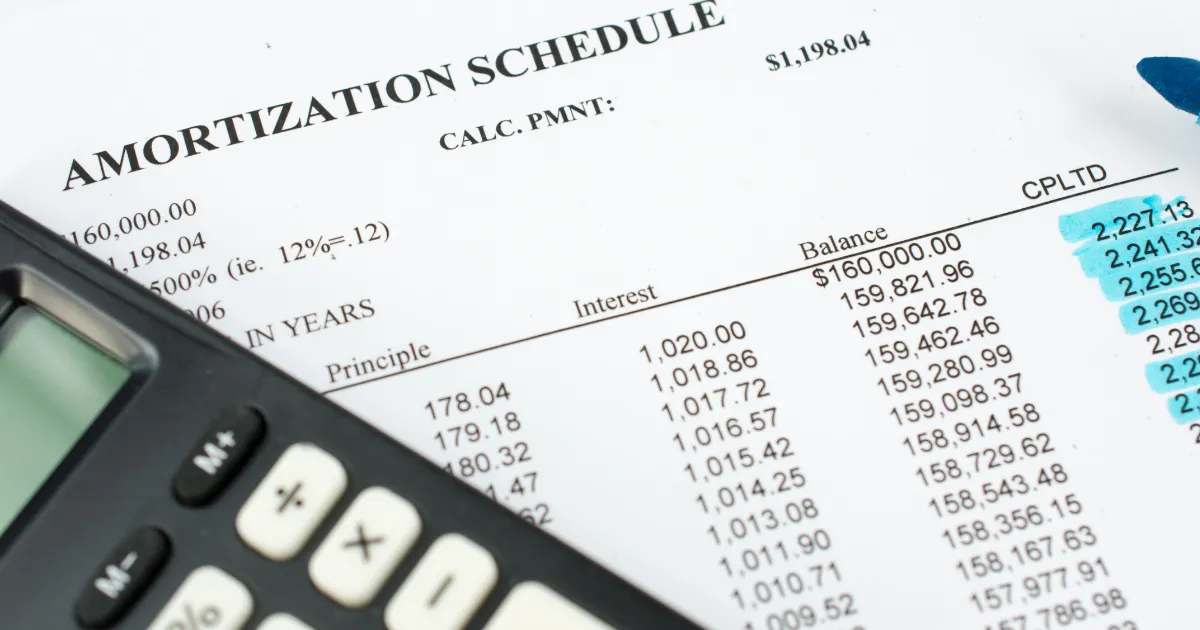
Learn how mortgage preapprovals work, why they matter, and how to get one fast—with ZERO Closing Costs from CapCenter.12 min readArticleAll topicsHow Does an Amortization Schedule Work? Explained Simply
Learn how an amortization schedule works, how payments are split between interest and principal, and how CapCenter can help you save with ZERO Closing Costs.15 min readArticleSell a homeHow Long Does It Take to Sell a Home?
Wondering how long it takes to sell your home? Learn what impacts timing and how to sell faster with expert strategies and ZERO Closing Costs.10 min readArticleLower my rateHow Much Does Refinancing Cost?
Learn the full cost of refinancing, how to calculate your break-even point, and how CapCenter helps you refinance with ZERO Closing Costs.16 min readArticleSell a homeHow Much Is My Home Worth?
Learn what affects your home’s value and how to estimate it accurately. CapCenter helps homeowners unlock equity with ZERO Closing Costs.9 min readArticleLower my rateHow Refinancing Affects Your Credit Score
Will refinancing hurt your credit? Learn the real impact of mortgage refinancing on credit scores, how to minimize it, and how to recover quickly.13 min readArticleBuy a homeHow to Budget for Homeownership
Learn how to budget for homeownership—including down payments, monthly costs, maintenance, and more. Plan smart with CapCenter's ZERO Closing Cost mortgage.11 min readArticleBuy a homeHow to Buy a Fixer‑Upper Home: Turning Potential into Profit
A complete guide to buying, financing, and renovating a fixer‑upper—while saving thousands with ZERO Closing Costs.7 min readArticleBuy a homeHow to Buy a Home with Student Loan Debt
Buying a home with student loans is possible. Learn how to qualify, reduce your DTI, and save thousands with CapCenter’s ZERO Closing Cost mortgages.12 min readArticleBuy a homeHow to Buy a House in 2025
Learn how to buy a house in 2025 with confidence. From financing to new commission rules, CapCenter guides you through every step with ZERO Closing Costs.7 min readArticleBuy a homeHow to Buy a Vacation Rental as a First‑Time Investor
Learn how first-time buyers can purchase a vacation rental, from financing rules to rental income potential. CapCenter helps you save with ZERO Closing Costs.10 min readArticleBuy a homeHow to Choose the Right Neighborhood
Learn how to choose the right neighborhood for your lifestyle, budget, and future with this expert guide from CapCenter.9 min readArticleSell a homeHow to Find a Listing Agent: A Home Seller’s Guide to Choosing the Right Partner
Choosing a real estate listing agent is key to a successful sale. Learn how to find and hire the best agent, ask smart questions, and save with CapCenter.16 min readArticleAll topicsHow to Find a Real Estate Agent: A Buyer and Seller’s Guide
Looking to buy or sell a home? Learn how to find the right real estate agent to protect your interests and streamline your transaction. Brought to you by CapCenter.9 min readArticleBuy a homeHow to Negotiate Home Price
Learn how to negotiate home price effectively with these proven strategies. Get expert tips from CapCenter and make a confident, cost-saving offer.10 min readArticleBuy a homeHow to Negotiate Repairs After a Home Inspection
Learn how to negotiate repairs after a home inspection. Discover strategies, avoid pitfalls, and see how CapCenter helps buyers save thousands.7 min readArticleSell a homeHow to Pick the Right List Price When Selling Your Home
The list price decides almost everything about your sale. Learn the psychology, tactics, and pricing strategy that drive a faster, stronger result.7 min readArticleSell a homeHow to Prepare for a Home Inspection
Learn how to get your home ready for a buyer’s home inspection with tips from CapCenter. Avoid delays, ease buyer concerns, and close with confidence.8 min readArticleSell a homeHow to Price a Home for Sale
Learn how to price your home to sell fast and for top dollar. Get expert insights, avoid common mistakes, and save with CapCenter’s low-fee realty services.9 min readArticleLower my rateHow to Refinance a Mortgage
Learn how to refinance your mortgage in 6 simple steps. CapCenter makes it easy and affordable with ZERO Closing Cost refinance loans.11 min readArticleTake cash outAccessing Your Equity with a Home Equity Loan
Learn how to access your home's equity without losing a great mortgage rate. CapCenter helps you refinance into a home equity loan with ZERO Closing Costs.8 min readArticleSell a homeHow to Sell a House Fast
Learn how to sell your home quickly without sacrificing value. CapCenter’s step-by-step guide shows you how to stage, price, and close fast.9 min readArticleSell a homeHow to Sell a House: Step-by-Step Guide
Discover the complete guide to selling your home—from pricing to closing—with expert tips and real savings from CapCenter.10 min readArticleSell a homeHow to Stage a House to Sell Fast
Learn how to stage a home for maximum impact. This guide covers decluttering, lighting, curb appeal, and expert tips to help your home sell faster.11 min readArticleBuy a homeHow to Win a Home in a Competitive Market
Learn strategies to win a home in today’s competitive housing market. Get tips from CapCenter on preapproval, strong offers, and ZERO Closing Cost savings.10 min readArticleBuy a homeHow to Win a Home Without Overpaying
Learn how to win in multiple offer situations without overbidding. Smart strategies, stronger offers, and how ZERO Closing Costs gives you an edge.10 min readArticleSell a homeList for 1% and Buy with ZERO Closing Costs
Sell your home for just 1% and buy with ZERO Closing Costs. Learn how CapCenter’s integrated real estate and mortgage model saves you thousands.9 min readArticleAll topicsMultiple Listing Services (MLS)
Learn what a Multiple Listing Service (MLS) is, how it works, and why it matters for home buyers and sellers. CapCenter realty experts explain the MLS advantage.3 min readArticleAll topicsHow to Avoid PMI: A Complete Guide to No-PMI Mortgage Options
Learn how to avoid PMI with VA loans, 20% down, piggyback loans, and refinance strategies. Explore no-PMI mortgage options with CapCenter.11 min readArticleNewsCapCenter Now Offering 15-Year Home Equity Loans
CapCenter now offers 15-year home equity loans with ZERO Closing Costs. Keep your low mortgage rate and access your home’s value with flexible terms.10 min readArticleAll topicsPrice Per Square Foot
Learn how price per square foot works in real estate, why it can be misleading, and how CapCenter helps buyers and sellers go beyond the numbers.3 min readArticleLower my rateReasons to Refinance
Discover the top reasons to refinance your mortgage and learn how CapCenter’s ZERO Closing Cost refinance loans can save you thousands.9 min readArticleLower my rateCapCenter Refinance Guide
Learn how refinancing works and why CapCenter’s ZERO Closing Cost refinance helps homeowners save thousands. Explore rate-and-term and cash-out options.10 min readArticleSell a homeSell ZERO Listing Fees + Buy ZERO Closing Costs
Sell your home with ZERO Listing Fees and buy with ZERO Closing Costs. A smarter way to move this spring with CapCenter.6 min readArticleLower my rateShould I Refinance to a Shorter Term?
Considering a 15- or 20-year mortgage refinance? Learn the pros, cons, and how CapCenter’s ZERO Closing Cost refinance helps you save faster.9 min readArticleBuy a homeShould You Buy a Home Before Selling Yours?
Weighing whether to buy or sell first? Discover the pros and cons of each strategy, and see how CapCenter’s ZERO Closing Cost mortgage can save you thousands.12 min readArticleNewsSigns of Momentum Ahead for Homebuyers and Sellers
What Buyers & Sellers Should Know in Heading into 20266 min readArticleAll topicsSoft vs Hard Credit Checks
Learn the difference between soft and hard credit checks, how each affects your score, and why CapCenter uses both to simplify the mortgage process.10 min readArticleAll topicsSpring Housing Market Outlook 2026: What Buyers and Sellers Should Expect
Explore the outlook for the 2026 spring housing market including inventory trends, mortgage rates, and what buyers and sellers should expect this year.11 min readArticleBuy a homeStyles of Single-Family Homes
What Style of House Fits You Best?3 min readArticleAll topicsThe Generational Divide in Housing: What It Means for Buyers and Sellers Right Now
First-time buyers hit record lows in 2026. See what generational trends mean for buyers and sellers and how to navigate today’s housing market.11 min readArticleBuy a homeThe Smarter Way to Buy a Home: How CapCenter Brings Everything Together
Discover how CapCenter simplifies home buying with ZERO Closing Costs, a 0.5% buyer rebate, and integrated realty, mortgage, and insurance services.8 min readArticleSell a homeThe Ultimate Pre-List Checklist for Home Sellers
Thinking about selling? Use this pre list checklist to prepare your home, maximize value, and sell smoothly with CapCenter’s expert team.10 min readArticleSell a homeThe Upside of Downsizing
Downsizing your home can mean more financial freedom, less stress, and a better lifestyle. Discover the benefits and how CapCenter can help.9 min readArticleAll topicsThe VA Tidewater Initiative
Learn how the VA Tidewater Initiative protects veterans during the VA loan appraisal process. Discover how CapCenter helps buyers navigate it with ZERO Closing Costs.4 min readArticleBuy a homeTips for Touring Homes
Make the most of your home tours with these expert tips. Learn what to look for, what to ask, and how CapCenter helps you buy with ZERO Closing Costs.9 min readArticleAll topicsUnderstanding Escrow Accounts
Learn how escrow accounts work, what they cover, and why lenders require them. CapCenter explains how escrow fits into your monthly mortgage.8 min readArticleAll topicsWays to Improve Your Credit Score
Learn proven ways to improve your credit score. Discover strategies that save you money on loans and how CapCenter helps maximize your savings.9 min readArticleAll topicsWhat Are Mortgage Points and Should You Buy Them?
Learn what mortgage points are, how they work, and when buying points makes sense—plus how CapCenter helps you save with ZERO Closing Costs.15 min readArticleTake cash outWhat Is a Cash-Out Refinance?
Learn how a cash-out refinance works and how CapCenter helps you tap into home equity with ZERO Closing Costs.Turn Your Home Equity into Opportunity If you’ve built equity in your home, a cash-out refinance can give you access to that value—without selling your home or taking out a second loan. Whether you want to renovate, pay off high-interest debt, fund a major purchase, or boost your savings, cash-out refinancing lets you convert equity into cash while replacing your existing mortgage. A cash-out refinance is one of the most flexible and cost-effective ways to tap into your home’s value. And when you refinance with CapCenter, you can do it without paying thousands in fees thanks to our ZERO Closing Costs model. This guide explains how a cash-out refinance works, who it’s best for, how much you can borrow, and how CapCenter helps you keep more of your equity from day one. What Is a Cash-Out Refinance? A cash-out refinance replaces your current mortgage with a new, larger loan. The new loan pays off your existing balance, and you receive the difference as a lump sum of cash. This gives you access to the equity you've built up in your home without having to sell it or take out an additional loan. For example, if your home is worth $400,000 and your current mortgage balance is $250,000, you might refinance into a $320,000 loan. The new loan pays off the $250,000, and you receive the remaining $70,000 in cash. You continue to make one monthly mortgage payment, now based on the $320,000 balance. Most lenders allow you to borrow up to 80% of your home’s current appraised value on a conventional loan. VA borrowers may qualify for up to 100% loan-to-value. Why Homeowners Choose Cash-Out Refinancing A cash-out refinance is popular because it provides immediate, flexible cash at a much lower interest rate than credit cards or personal loans. Homeowners often use the funds to improve their financial health or make long-term investments. Common uses for cash-out refinance funds include: Renovating or updating the home Paying off high-interest credit card or personal loan debt Financing college tuition or private school Paying for large medical expenses Starting or expanding a business Investing in another property Creating a financial cushion or emergency fund Instead of taking on high-interest debt, many homeowners choose to refinance and put their home equity to work. How a Cash-Out Refinance Compares to Other Options Unlike a home equity loan or home equity line of credit (HELOC), which are second mortgages, a cash-out refinance replaces your existing mortgage with one new loan. This can simplify your finances by giving you a single monthly payment. A cash-out refinance typically offers a lower interest rate than a home equity loan, which is a fixed second loan, or a HELOC, which is a revolving line of credit with variable rates. If you need a one-time lump sum and want to lock in a stable monthly payment, a cash-out refinance is often the better option. How Much Cash Can You Take Out? The amount you can borrow through a cash-out refinance depends on your home's value, your current loan balance, and your lender’s guidelines. Most conventional lenders allow you to refinance up to 80% of your home’s appraised value. The difference between that amount and your existing mortgage balance becomes your available cash. Here’s a quick example. If your home is worth $500,000, 80% of that is $400,000. If your current loan balance is $310,000, then you could refinance for $400,000 and receive about $90,000 in cash—minus any escrow adjustments or taxes. VA loans may allow you to refinance for up to 100% of your home’s value, offering even more flexibility for eligible veterans and service members. Who Qualifies for a Cash-Out Refinance? Lenders look at several factors when approving a cash-out refinance. These typically include: A credit score of 620 or higher for conventional loans (though some loan programs accept lower scores) A debt-to-income (DTI) ratio below 45% A loan-to-value (LTV) ratio of 80% or less after the refinance Verifiable income and employment history A recent home appraisal to determine current value Lenders also typically require that you’ve owned the home for at least six months. Some programs may require longer, especially for recent purchases or prior cash-out transactions. If you’re unsure whether you qualify, CapCenter offers personalized assessments with no pressure and no upfront cost. What Are the Pros and Cons of a Cash-Out Refinance? There are several advantages to using a cash-out refinance. It’s one of the most affordable ways to access large amounts of capital without adding a second loan or line of credit. And because mortgage rates are usually lower than consumer debt rates, it can save you money long-term. Benefits include: Lower interest rates than credit cards or personal loans Ability to consolidate multiple debts into one monthly payment Potentially tax-deductible interest if funds are used for home improvements Simplified finances with one mortgage instead of two Freedom to use the funds as needed However, there are some considerations to keep in mind: Your new loan balance will be higher, increasing total interest over time If you extend your loan term, you may pay more interest over the life of the loan You’ll have less equity in your home, which could affect future borrowing options Missing payments on a larger mortgage puts your home at greater risk of foreclosure CapCenter helps reduce the financial downside by eliminating closing costs—so you start saving from day one. Can You Use a VA Loan for a Cash-Out Refinance? Yes. VA cash-out refinancing allows eligible veterans, active-duty service members, and surviving spouses to refinance their current mortgage—or a non-VA loan—into a VA loan while accessing equity. In many cases, you can refinance up to 100% of your home’s value. This makes the VA cash-out option one of the most flexible refinance tools available. It’s especially helpful for veterans who want to consolidate debt or fund important life goals but have limited equity or cash reserves. CapCenter proudly supports veterans and military families by offering VA cash-out refinances with ZERO Closing Costs. How Much Does a Cash-Out Refinance Cost? A traditional refinance typically involves 2% to 5% of the loan amount in closing costs. These costs often include: Origination and processing fees Underwriting and funding fees Appraisal and title charges Settlement services Credit report and document preparation fees On a $300,000 refinance, that can amount to $6,000 to $15,000 in fees—money that could otherwise go into your pocket or savings. CapCenter eliminates these costs entirely. With our ZERO Closing Costs model, you won’t pay: Lender origination fees Title search or attorney fees Application or processing fees Out-of-pocket charges at the closing table That means more of your home equity is actually yours to use. Real-Life Example: Debt Consolidation Through Cash-Out Refinance Jennifer and Brian owned a home valued at $450,000. They had a mortgage balance of $280,000 and carried $50,000 in high-interest debt from credit cards and medical bills. Their combined minimum monthly payments on those debts were over $900. They refinanced their mortgage to $350,000 through a cash-out refinance with CapCenter. After paying off their original mortgage and debts, they lowered their monthly housing costs by $450. And because CapCenter covered all closing costs, they used their full equity withdrawal to become debt-free—without paying any fees. FAQs: Cash-Out Refinance Is a cash-out refinance right for me? It could be, especially if you have equity in your home and a clear use for the funds. It works well for debt consolidation, home renovations, and major expenses. How long does a cash-out refinance take? Most cash-out refinances close in 30 to 45 days. CapCenter’s in-house processing and underwriting help streamline the process and avoid unnecessary delays. Can I do a cash-out refinance with bad credit? It may be possible. FHA and VA programs often have more flexible credit guidelines. However, your interest rate could be higher if your score is low. Will I still have mortgage insurance? If your new loan is conventional and you borrow more than 80% of your home’s value, you may need private mortgage insurance (PMI). FHA loans have mortgage insurance regardless of equity. Is the interest tax-deductible? Mortgage interest may be deductible if the funds are used to improve your primary residence. You should consult a tax professional for personalized advice. Cash-Out Refinancing with CapCenter: More Equity, Less Cost A cash-out refinance should be a financial tool—not a financial burden. That’s why CapCenter offers a better way to access your equity. No hidden fees. No costly closing expenses. Just straightforward refinancing and real savings. Here’s what you get with CapCenter: ZERO Closing Costs In-house loan processing, underwriting, and closing Honest, transparent guidance at every step Fast timelines with no pressure More money in your hands—not lost to fees If you’re ready to use your home equity to improve your life, CapCenter is ready to help—on your terms, and without the costs.9 min readArticleAll topicsWhat is a Comparative Market Analysis in Real Estate?
Learn how a Comparative Market Analysis (CMA) helps buyers and sellers determine home value. Discover how CapCenter’s realty team uses CMAs to guide smart decisions.12 min readArticleAll topicsWhat is a Conventional Loan?
Learn what a conventional loan is, how it works, and if it’s right for you. Discover the benefits of pairing a conventional loan with CapCenter’s ZERO Closing Cost mortgage.10 min readArticleAll topicsWhat is a Deed?
Learn what a deed is, how it differs from title, and why it’s essential in real estate. CapCenter explains the role of deeds in homeownership.9 min readArticleAll topicsWhat is a Planned Unit Development (PUD)?
Learn what a Planned Unit Development (PUD) is, how it differs from condos and subdivisions, and what to consider before buying. Discover how CapCenter can help.9 min readArticleLower my rateStreamline Refinance Loans
Learn how FHA, VA, and USDA streamline refinance loans work, their benefits, and how CapCenter’s ZERO Closing Costs can maximize your savings.10 min readArticleBuy a homeWhat Is a VA Purchase Loan?
Learn how VA Purchase Loans work, their benefits, and how CapCenter helps veterans buy homes with zero down and ZERO Closing Costs.9 min readArticleAll topicsWhat Is an Earnest Money Deposit?
Learn how earnest money deposits work in real estate, when you get them back, and how to protect your deposit.10 min readArticleBuy a homeWhat Is an Escalation Clause? How It Works When Making an Offer on a Home
Learn how an escalation clause works in a home offer, when to use one, how to structure it, and the risks buyers often overlook in competitive markets.9 min readArticleAll topicsWhat is an FHA Loan?
Learn what an FHA loan is, how it works, and whether it’s right for you. Explore FHA loan requirements, pros and cons, and how CapCenter helps you save.15 min readArticleAll topicsWhat is PMI? Understanding Private Mortgage Insurance
Learn what Private Mortgage Insurance (PMI) is, how much it costs, when it ends, and how CapCenter can help you save with ZERO Closing Cost loans.13 min readArticleBuy a homeWhat Makes a Strong Offer Beyond Price
Learn what makes a strong home offer beyond price, including financing, contingencies, earnest money, timing, and appraisal strategies.11 min readArticleAll topicsWhat the Latest FICO® Credit Report Means for Your Home Purchase in 2026
Learn how your credit score impacts mortgage rates in 2026 and how to position yourself for better terms and savings.12 min readArticleTake cash outWhat to Consider When Choosing to Cash-Out Refinance
Thinking about a cash-out refinance? Learn the key factors to consider—benefits, risks, timing, and alternatives. See why homeowners trust CapCenter’s ZERO Closing Cost loans.10 min readArticleLower my rateWhen Is the Best Time to Refinance Your Mortgage?
Learn when refinancing makes the most sense, from rate drops to credit improvements. Discover how CapCenter’s ZERO Closing Cost refinance saves you more.10 min readArticleLower my rateWhen Should I Refinance?
Learn the best time to refinance your mortgage and how CapCenter’s ZERO Closing Cost refinance can save you thousands.9 min readArticleNewsWhy CapCenter Clients Keep Coming Back
Discover why 95% of CapCenter clients recommend us. Learn how ZERO Closing Costs and a true one-stop approach simplify homeownership.9 min readArticleNewsWhy Homeowners Are Staying Put Longer
Homeowners are staying in their homes longer than ever. Learn why housing tenure is rising and what it means for buyers and sellers across the East Coast.11 min readArticleTake cash outZERO Closing Cost Home Equity Loans
Learn how CapCenter’s ZERO Closing Cost Home Equity Loans let you access your equity without fees. Keep your low mortgage rate and save thousands10 min readArticleAll topicsThe Complete Mortgage Document Checklist
What your lender asks for at pre-approval, underwriting, and closing, plus what changes for refinances, home equity loans, and self-employed borrowers.14 min readArticleBuy a homeHow to Buy a House
Learn how to buy a house from start to finish. CapCenter’s step-by-step homebuying guide explains every stage, from mortgage pre-approval to closing.10 min readArticleNewsCapCenter Expands ZERO Closing Cost Mortgage Services to Pennsylvania
CapCenter has officially expanded its ZERO Closing Cost mortgage services to Pennsylvania—bringing our streamlined, in-house process and thousands in savings to homebuyers and homeowners across the state.3 min readArticleAll topicsWhat Credit Score Do I Need for a Mortgage Loan?
Learn about minimum credit scroe requirements.4 min readArticleBuy a homeAffordable Mortgage Options for First-Time Homebuyers
Explore affordable mortgage programs for first-time homebuyers in Virginia. Learn about down payment assistance, FHA loans, and 3% down loan options with CapCenter.7 min readArticleAll topicsAsset-Based Mortgages: How to Qualify Using Savings Instead of a Paycheck
How asset-based mortgages let you qualify using savings and investments instead of income, plus the 2027 Freddie Mac changes expanding who is eligible.7 min readArticleBuy a homeFirst-Time Home Buyer Programs
Learn who qualifies as a first-time home buyer and explore programs like HomeReady®, Home Possible®, and CapCenter’s Community Lending Grant.9 min readArticleBuy a homeHomeReady vs. Home Possible Loans: Low Down Payment Mortgage Options Explained
Learn the differences between Fannie Mae’s HomeReady and Freddie Mac’s Home Possible loans. Compare eligibility, down payments, mortgage insurance, and benefits for first-time homebuyers.5 min readArticleBuy a home2025 Conventional and FHA Loan Limits
Higher limits expand homebuying and refinancing opportunities in 20255 min readArticleBuy a homeHow Long Does a Mortgage Pre-Approval Last?
You've submitted your mortgage application and received a pre-approval. How long does it last?6 min readArticleBuy a homeThe Value of a Good Real Estate Agent When Buying a Home
What a good buyer's agent is actually worth: negotiation, market knowledge, and incentives, plus how CapCenter's top-1% agents change the math.10 min readArticleTake cash outCash-out refinance requirements
Credit, equity, seasoning and documents you’ll need for a cash-out refinance.2 min readArticleTake cash outCash-out refinance vs. home equity loan
Which keeps your rate, which costs less and how to choose.2 min readArticleLower my rateWhat are discount points? How they work and when they pay off
A discount point costs 1% of your loan and lowers your interest rate for the life of the loan. Here’s what points cost, how much they save and how to tell if they’re worth it.2 min read1 min watchTake cash outUsing home equity to pay off debt
The rate comparison, and the risk of turning card debt into debt your home secures.4 min readArticleTake cash outPaying for home improvements with equity
Cash-out refinance vs. home equity loan vs. HELOC for remodels and repairs.4 min read1 min watchLower my rateFHA to conventional refinance
How to drop lifetime FHA mortgage insurance by moving to a conventional loan.4 min read1 min watchBuy a homeFirst-time buyer checklist
Every step from pre-approval to closing day on one printable page.5 min readArticleInsure a homeHow much homeowners insurance do I need?
Dwelling, liability and deductibles in plain terms.6 min readArticleTake cash outHow much cash can I take out?
Loan-to-value limits and a worked example for cash-out refinances and home equity loans.4 min read1 min watchLower my rateHow mortgage rates are set
What moves rates from day to day and how lenders price your loan.7 min read1 min watchSell a homeGetting your home ready for listing photos
Simple fixes that make photos and showings stand out.5 min readArticleBuy a homeConventional vs. FHA vs. VA
A side-by-side chart of down payment, credit and mortgage insurance rules.5 min read1 min watchBuy a homePre-qualified vs. pre-approved
Why sellers want a pre-approval letter and how to get one in about 15 minutes.4 min readArticleSell a homeHow to price your home to sell
Using recent sales, condition and timing to set the right list price.7 min readArticleNewsHow a small rate move changes your payment
A hypothetical example of how an eighth-of-a-point move in 30-year and 15-year rates changes your payment, and what tends to move rates.3 min readArticleLower my rateShould I refinance to a 15-year mortgage?
A higher payment and much less interest. See the trade-off side by side.4 min read1 min watchLower my rateWhat does refinancing cost?
Typical lender and third-party fees, and what you pay with ZERO Closing Costs.4 min readArticleLower my rateIs now a good time to refinance?
How to judge a rate drop when there are no closing costs to earn back.4 min readArticleLower my rateHow to remove PMI by refinancing
When your home’s value or your equity lets you drop private mortgage insurance.4 min readArticleSell a homeSeller net proceeds explained
Where the money goes at closing, line by line.5 min readArticleBuy a homeDown payment assistance in Virginia
Virginia Housing grants and second mortgages for first-time buyers.6 min readArticleAll topicsWhat Occupancy Means on a Mortgage: Primary Residence, Second Home, and Investment Property Rules
Primary residence, second home, or investment property? How occupancy affects your mortgage rate, down payment, insurance, and what happens if you get it wrong.12 min readArticleLower my rateWhen does refinancing make sense?
How to weigh a lower rate against how long you’ll keep the loan.6 min readArticleBuy a homeWhat a ZERO Closing Cost mortgage covers
The lender and third-party fees we waive or pay, and the costs that stay yours.5 min readArticleBuy a homeVA Loan Document Checklist: COE, DD-214, and What Else Underwriting Wants
Every document a VA loan needs: COE, DD-214, statement of service, Guard and Reserve records, funding fee exemptions, and what VA underwriting checks.10 min readArticleBuy a homeWhy Did My Escrow Payment Go Up? Causes and Fixes
Fixed rate but higher payment? Learn how the annual escrow analysis works, why shortages double the increase, and what you can do to bring your payment down.7 min readArticleAll topicsVA Loans: The VA Funding Fee Explained
How much the VA funding fee costs in 2026, who is exempt, how refunds work, and the new tax deduction. Full rate breakdown for purchases, cash out, and IRRRL.12 min readArticleBuy a homeThe Top 10 Questions First-Time Homebuyers Ask (And Their Answers)
The 10 questions first-time homebuyers ask most, answered clearly: down payments, credit scores, closing costs, PMI, inspections, timing, and more.10 min readArticleBuy a homeUAD 3.6 Explained: The New Home Appraisal Form Arriving November 2, 2026
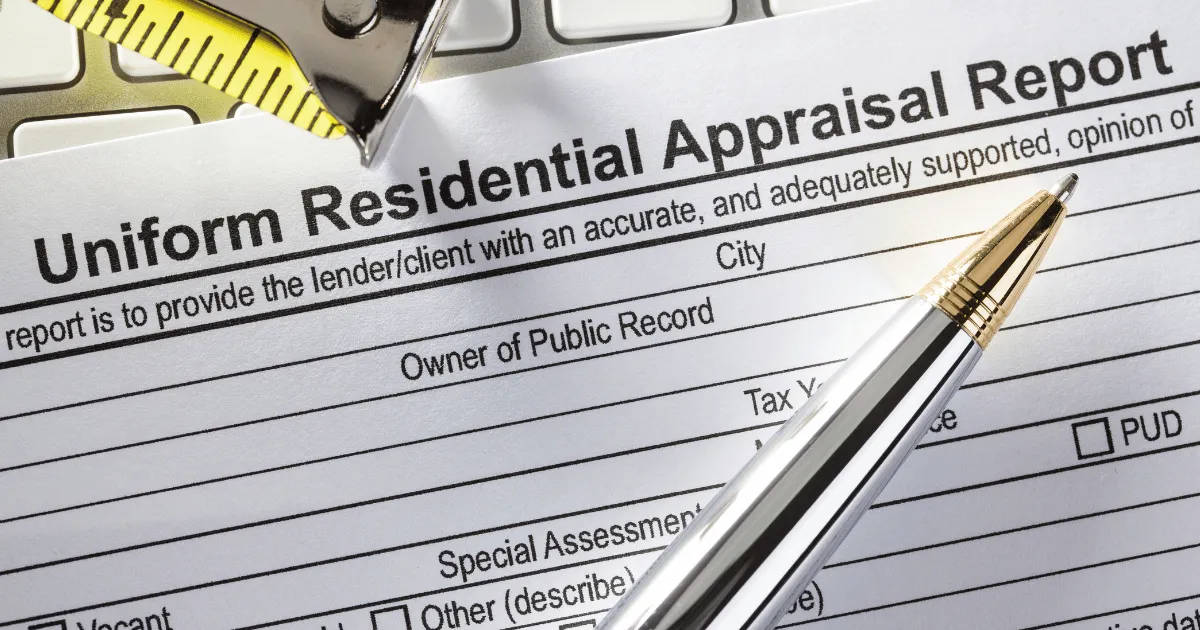
UAD 3.6 replaces the 1004 appraisal form on November 2, 2026. See what changes, why it matters, and how the new URAR affects buyers, sellers, and homeowners.11 min readArticleNewsCapCenter Brings ZERO Closing Cost Mortgages to Tennessee
CapCenter now offers ZERO Closing Cost mortgages in Tennessee for home purchases, refinances, and home equity loans. See rates and get a free quote today.4 min readArticleNewsCapCenter Expands ZERO Closing Cost Mortgage Services to Wisconsin
CapCenter now offers ZERO Closing Cost mortgage services in Wisconsin, helping homebuyers and homeowners save thousands on purchases, refinances, and home equity loans.3 min readArticleBuy a homeBuying a Home With an Underground Oil Tank
Buying a home with an underground oil tank? Learn how USTs affect inspections, financing, cleanup, negotiations, and closing.13 min readArticleNewsCapCenter Brings ZERO Closing Cost Mortgages to Kentucky
CapCenter now offers ZERO Closing Cost mortgages in Kentucky for home purchases & refinances.4 min readArticleAll topicsWhat Is a Title Search and Why Does Your Home Need One?
A title search verifies that a seller can deliver clean ownership of a home. Learn how it works, what it finds, and how title problems get resolved.9 min readArticleLower my rateExpert Mortgage Refinancing Predictions: Where Rates Are Headed in the Second Half of 2026
Fannie Mae, the MBA, and the Fed disagree on where mortgage rates head next. See the latest expert refinancing predictions for the rest of 2026.12 min readArticleLower my rateHow Much Does a Small Mortgage Rate Drop Save You?
A quarter-point rate drop can save over $20,000 on a typical loan. See the real refinancing math and why ZERO Closing Costs change when it pays off.7 min readArticleAll topicsThe Fed Holds Rates Steady in June 2026
The Fed left rates unchanged in June 2026 but signaled higher-for-longer. Here's what the hawkish shift means for mortgage rates, buyers, and refinancing.4 min readArticleAll topicsDoes a Pool Add Value to Your Home?
Does a pool add value to your home? See how appraisals, neighborhoods, and resale really work before you build or sell.7 min readArticleAll topicsHow to Submit a Reconsideration of Value Request on a Home Appraisal
When a home appraisal comes in below expectations, a reconsideration of value request can help. Learn what evidence works and how to submit it the right way.11 min readArticleBuy a homeThings to Look for During a Home Inspection
Learn what to watch for during a home inspection, which findings are expensive, which are cosmetic, and how to read the report as a buying decision.11 min readArticleSell a homeWhat Is a Short Sale?
A short sale lets a homeowner sell for less than they owe with lender approval. Learn how the process works, how it compares to foreclosure, and what to expect.9 min readArticleAll topicsComparing Mortgage Loan Terms
Compare 10, 15, 20, 25, and 30-year mortgage loan terms, including monthly payments, total interest, and long-term savings strategies.11 min readArticleAll topicsThe History of Mortgage Loans: How Home Financing Evolved Into the Modern Mortgage
Learn how mortgage loans evolved from risky short-term agreements into today’s modern fixed-rate home loans and how the mortgage industry continues changing.12 min readArticleAll topicsA Look Back at Mortgage Rates: How We Got Here
From 18% in 1981 to 2.65% in 2021 to today, see what 50 years of mortgage rate history reveals about today’s housing market.10 min readArticleBuy a homeOffer Accepted: How to Get the Best Financing Deal Before You Close
Your offer was accepted. Learn how to compare loan estimates, lock the right rate, avoid costly mistakes, and save with ZERO Closing Costs.12 min readArticleInsure a homeSwitching Home Insurance Carriers: What to Compare Before You Make the Move
Thinking about switching home insurance carriers? Learn what to compare beyond price, including coverage, deductibles, exclusions, and bundling savings.9 min readArticleBuy a homeWhat VantageScore 4.0 Means for Home Buyers
Learn how VantageScore 4.0 changes mortgage approvals in 2026 and what it means for first-time buyers and renters.11 min readArticleTake cash outWhy More Homeowners Are Renovating Instead of Moving
Rising rates and home prices have homeowners staying put and renovating. Learn how home equity loans and cash-out refinances can fund your project.8 min readArticleAll topicsPrequalified vs. Preapproved: What’s the Difference and Which One Do You Actually Need?
Learn the difference between prequalified and preapproved mortgages and why preapproval matters when buying a home. Get started with ZERO Closing Costs.8 min readArticleAll topicsWhat the Latest FHFA Data Says About The Market Right Now
New FHFA mortgage data reveals trends in rates, equity, and affordability. Learn what it means for buyers and homeowners today.8 min readArticleAll topicsZombie Mortgages: What They Are and What to Do If One Surfaces
Old second mortgages are resurfacing. Learn what zombie mortgages are, why they are coming back, and how to protect yourself.9 min readArticleSell a homeThe Biggest Gap Between Home Sellers and Buyers on Record
Learn why sellers now outnumber buyers and how to navigate today’s housing market with smarter strategy and ZERO Closing Costs.9 min readArticleAll topicsWhy ARMs Are Making Sense Again in 2026
ARMs now offer lower rates than fixed mortgages. Learn how adjustable-rate mortgages work, when they make sense, and how to maximize savings.12 min readArticleAll topicsThe Mortgage Interest Deduction Is Back: What It Means for Homebuyers
Tax changes in 2025 could make the mortgage interest deduction valuable again. Insights from a financial planner on what it means for homeowners.10 min readArticleAll topicsWhat Does Locking in Your Mortgage Rate Mean?
Learn what locking in your mortgage rate means, when to lock, and how rate locks affect your home purchase strategy.5 min readArticleLower my rateFHA Streamline Refinance Explained
FHA Streamline Refinance explained in simple terms. Learn eligibility, costs, savings, and how to lower your payment with ZERO Closing Cost options.11 min readArticleAll topicsFHA Flip Rule
Learn how the FHA Flip Rule works, why it was created, and how it impacts buyers using FHA loans. CapCenter helps you navigate FHA lending with ZERO Closing Costs8 min readArticleLower my rateVA IRRRL: Interest Rate Reduction Refinance Explained
Learn how a VA IRRRL streamline refinance lowers your payment with no appraisal and ZERO Closing Costs from CapCenter.9 min readArticleBuy a homeHome Buyers Are Regaining Purchasing Power
Home buyers purchasing power is improving as rates stabilize and incomes rise. See how ZERO Closing Cost mortgages from CapCenter increase your flexibility.8 min readArticleAll topicsDon’t Pay Closing Costs
Think you have to save for closing costs? Not with CapCenter. Buy, refinance, or access equity with ZERO Closing Costs. Learn how it works.11 min readArticleAll topicsUnderstanding Your Credit
Learn how credit scores work, what impacts them, and how understanding your credit can save you thousands when buying or refinancing a home.11 min readArticleBuy a homeExperts Under One Roof: How CapCenter Turns Your Plans Into Action
Discover how CapCenter’s in house mortgage, real estate, settlement, title, appraisal, and insurance experts work together to maximize savings and ensure smooth closings.5 min readArticleSell a homeThe Spring Market Sweet Spot
Learn how early, mid, and late spring differ in real estate and how preparation can help you make the most of the season.4 min readArticleBuy a homeWhat Does it Mean to be Preapproved for a Mortgage?
Learn what mortgage preapproval is, why it matters, and how CapCenter makes the process simple with ZERO Closing Costs.10 min readArticleInsure a homeCapCenter Insurance Built Around Real Savings
CapCenter helps homeowners find savings when insurance premiums are on the rise. Learn how our team shops coverage, bundles home and auto, and finds real savings.6 min readArticleAll topicsAt CapCenter, ZERO Means A Lot
Learn what closing costs really are, why they add up, and how CapCenter helps buyers and homeowners save thousands with ZERO Closing Cost home loans.7 min readArticleAll topicsFannie Mae January 2026 Economic & Housing Forecasts
Fannie Mae’s latest housing and economic forecast points to easing mortgage rates, rising home sales, and a gradually improving housing market in 2026.2 min readArticleAll topicsThe Lock-In Loosens
The mortgage lock-in effect has shaped housing for years. Here’s why it’s starting to loosen and what it means for buyers, sellers, and homeowners.8 min readArticleNewsMortgage Rates Lowest Since 2022
Mortgage rates are the lowest since 2022. Learn how this impacts buyers, sellers, and homeowners and how to maximize savings with CapCenter9 min readArticleTake cash outAmericans Are Carrying Record Debt — Is Home Equity a More Efficient Way to Consolidate?
Americans carry record high-interest debt. Learn how ZERO Closing Cost Home Equity Loans or Cash-Out Refinances from CapCenter can reduce borrowing costs through consolidation.9 min readArticleNewsFannie Mae and Freddie Mac to Buy $200 Billion in Mortgage Bonds: What It Could Mean for Mortgage Rates
Fannie Mae and Freddie Mac plan to buy $200B in mortgage bonds. Here’s what it could mean for mortgage rates, buyers, and homeowners.5 min readArticleBuy a homeVA Housing Community Heroes Grant: How Virginia’s Everyday Heroes Can Get $10,000 Toward a Home
Virginia’s Community Heroes Grant offers $10,000 toward down payment and closing costs for eligible first-time buyers. Learn how it works with CapCenter.11 min readArticleNewsMortgage Rates 2026: What Fed Rate Cuts Mean for Virginia Affordability and the Richmond Real Estate Market
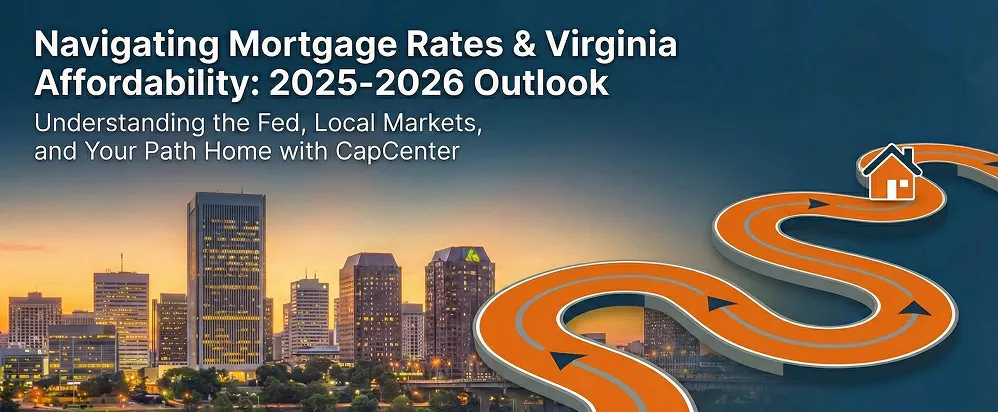
Fed rate cuts and mortgage rates 2025: What it means for Virginia buyers and refinancers. See how affordability is shifting in Richmond and across the state.5 min readArticleNewsWhy Mortgage Rates Are Dropping in September 2025
Learn why U.S. mortgage rates fell in September 2025. CapCenter explains the key factors behind the drop and what it means for buyers and homeowners.5 min readArticleLower my rateRate Relief in 2025: Why Refinance Activity Is at a Record High
Mortgage rates dipped in 2025, fueling a refi surge. See how homeowners can lower payments, tap equity, and how CapCenter’s no-closing-cost refis help.5 min readArticleBuy a homeVirginia Housing Down Payment Assistance Programs - Making Homeownership More Affordable
Learn how Virginia Housing programs — including the DPA Grant, Second Plus, SPARC, and First Home Dream — make buying a home more affordable.7 min readArticleAll topicsConventional Mortgages
Learn how conventional loans work, their benefits, requirements, and why they’re the most popular mortgage type. Discover CapCenter’s ZERO Closing Cost advantage.7 min readArticleBuy a homeWhat is a Down Payment?
Learn what a down payment is, how much you need, and how CapCenter’s ZERO Closing Cost mortgages make homeownership more affordable.10 min readArticleNewsHenrico County, VA - Affordable Housing Trust Fund
Learn how Henrico County’s Affordable Housing Trust Fund is helping first-time buyers access homes—with $60M backing, first sales underway, and big ambitions for the future.6 min readArticleAll topicsWhat is a Certificate of Eligibility (COE)
Learn what a VA Certificate of Eligibility is, why it matters, and how to get one fast with CapCenter's help.7 min readArticleAll topicsUnderstanding Loan-to-Value (LTV)
earn what Loan-to-Value (LTV) is, why it matters, and how it impacts your mortgage. See how CapCenter helps clients save with ZERO Closing Cost loans.8 min readArticleAll topicsWhat is a VA Loan? Benefits, Eligibility, and How to Apply
Learn how VA loans help veterans, service members, and spouses buy or refinance a home with no down payment and no PMI. Maximize savings with CapCenter.11 min readArticleAll topicsDocuments You'll Need for a Mortgage Loan
Learn what documents you need for a mortgage loan. CapCenter makes the process simple with ZERO Closing Costs and in-house support.10 min readArticleAll topicsMortgage Quote vs Loan Estimate
Learn the difference between a mortgage quote and a loan estimate. Understand timing, accuracy, and how CapCenter’s ZERO Closing Costs make comparisons simple.9 min readArticleAll topicsThe Point of Mortgage Points
Learn how mortgage points work, when they make sense, and how CapCenter’s ZERO Closing Cost loans help you save without hidden fees.9 min readArticleAll topicsUnderstanding APR
Learn what APR means in mortgages, how it’s calculated, and why CapCenter’s ZERO Closing Cost loans make your APR nearly match your rate.10 min readArticleAll topicsTitle Insurance: Standard vs. Enhanced Coverage
Learn the difference between standard and enhanced title insurance coverage, what each protects, and how CapCenter includes enhanced protection at no cost.9 min readArticleAll topicsWhat to Budget for Beyond Your Mortgage
Learn about the real costs of homeownership beyond your mortgage — from taxes to maintenance. CapCenter helps you save thousands with ZERO Closing Costs.7 min readArticleAll topicsFHA Amendatory Clause
Learn how the FHA Amendatory Clause protects homebuyers from overpaying. CapCenter explains what it is, how it works, and why it matters in FHA loans.8 min readArticleBuy a homeHome Insurance vs. Home Warranty
Learn the key differences between home insurance and home warranties. Understand what each covers, why you may need both, and how CapCenter can help you save.10 min readArticleAll topicsWhat is an amortization schedule?
Learn what an amortization schedule is, how it breaks down your mortgage payments, and how CapCenter helps you save with ZERO Closing Cost loans.7 min readArticleAll topicsPrivate Mortgage Insurance (PMI)
Learn what Private Mortgage Insurance (PMI) is, how it works, and when it ends. Discover strategies to reduce PMI costs and save with CapCenter’s ZERO Closing Cost loans.9 min readArticleAll topicsVA Loans: Empowering Veterans Through Homeownership
Discover how VA loans help veterans buy homes with no down payment, no PMI, and competitive rates. Learn how CapCenter makes it even more affordable.10 min readArticleAll topicsWhat Makes Up a Monthly Mortgage Payment?
Learn how monthly mortgage payments are calculated, including principal, interest, taxes, and insurance (PITI). Discover how CapCenter helps you save.11 min readArticleAll topicsDebt-to-Income Explained
Learn how debt-to-income ratio impacts mortgage approval. See how lenders calculate it, what’s a good DTI, and how CapCenter can help you save.9 min readArticleAll topicsHow Is Mortgage Interest Deducted on Taxes?
Learn how the mortgage interest tax deduction works, who qualifies, and how CapCenter’s ZERO Closing Cost mortgages help maximize savings.12 min readArticleLower my rateHow to Refinance an ARM Before Your Rate Adjusts
Learn how to refinance an adjustable-rate mortgage before it resets. Avoid payment shock, secure stability, and save with CapCenter’s ZERO Closing Cost refinance.14 min readArticleAll topicsNew Uniform Residential Appraisal Form: What It Means for the Mortgage Process
Learn how the new URAR appraisal form modernizes the mortgage process, improves transparency, and what it means for homebuyers.8 min readArticleAll topicsWhat Is an Interest Rate Lock?
Learn what an interest rate lock is, how it works, and why it matters when buying a home or refinancing. CapCenter makes it simple with ZERO Closing Costs.11 min readArticleBuy a homeHow Much Downpayment Do I Need? Understanding What It Takes to Buy a Home
Find out how much down payment you need to buy a home. Explore loan options, minimums by loan type, and how to buy with confidence through CapCenter.15 min readArticleAll topicsRemote Closing in Real Estate: Guide & Benefits | CapCenter
Learn how remote closings (eClosings) work, their pros and cons, and why CapCenter’s zero-closing-cost model gives you added convenience and savings.5 min readArticleAll topicsAutomated Valuation Models (AVMs)
Quick way to get an idea on your home's current value.4 min readArticleSell a homeBest Return-on-Investment Home Upgrades
It's hard to nail down exactly what project will get you the most value add, but we'll help you get an idea.6 min readArticleInsure a homeCapCenter Insurance Your Savings Solution
Record numbers of people are shopping their home and auto policies. CapCenter Insurance is finding clients massive saving.4 min readArticleInsure a homeCar Insurance
Car and other auto insurance protects you and those around you in case of accident.5 min readArticleAll topicsCondo vs Townhouse
They will sometimes look similar, but a couple key differences make both property types unique.6 min readArticleSell a homeDo I Need a REALTOR?
While you may not need a REALTOR® to buy or sell a home, there is a huge advantage to having a professional help you through the process.5 min readArticleInsure a homeDo I Need Flood Insurance?
Homeowners insurance doesn’t cover flood damage. Learn why flood insurance may still be essential—and how to determine if you need it.9 min readArticleBuy a homeGetting Pre-Approved
A mortgage pre-approval is the first step toward buying a home. It sets a budget, gets you in contact with a lender and helps a REALTOR® understand your needs.6 min readArticleAll topicsHome Appraisals 101
Learn what a home appraisal is, how it works, and why it’s crucial for your mortgage6 min readArticleBuy a homeHome Buyer's Guide
Buying a home is an exciting prospect, but can also be intimidating. In this guide, we'll give you an overview of the path to homeownership through CapCenter.7 min readArticleInsure a homeHomeowners Insurance
Most banks require homeowners insurance on any home they finance. It's part of your monthly escrow payment.3 min readArticleBuy a homeHow Much Can I Afford on My Income?
Learn how to calculate how much house you can afford based on your income, debt, credit, and down payment—with help from CapCenter.12 min read1 min watchBuy a homeHow Much House Can I Afford?
Determining how much house you can afford can be tricky if you haven't done it before. We'll help you understand what to consider.5 min readArticleAll topicsHow the Consumer Price Index Relates to the Housing Market
June CPI shows 2.7% inflation and slowing—but still sticky—shelter costs. CapCenter explains how CPI connects to housing and how ZERO Closing Cost mortgages help you save.5 min readArticleBuy a homeHow to Apply for a Mortgage
Learn how to apply for a mortgage step by step. Get expert advice, avoid fees, and save with CapCenter’s ZERO Closing Cost Mortgage.9 min readArticleLower my rateHow to Compare Refinance Lenders
Learn how to compare refinance lenders based on rates, fees, and service. CapCenter helps you refinance smarter with ZERO Closing Costs.14 min readArticleAll topicsHow to Create a Monthly Budget
Learn how to build a monthly budget that works. Follow our step-by-step guide to take control of your finances and plan for your goals.8 min readArticleInsure a homeHow to Lower Your Homeowners Insurance Premium
Learn 10 expert tips to reduce your homeowners insurance premium without sacrificing coverage. Brought to you by CapCenter, your trusted mortgage and insurance advisor.8 min readArticleSell a homeHow to Negotiate Offers on a House
Learn how to negotiate offers on a house—whether you're buying or selling. CapCenter’s expert agents help you save more and win better deals.9 min readArticleBuy a homeIs it a Good or Bad Time to Buy a House?
It's a question that creeps up whenever you think you're ready to pull the trigger. We'll let you know what to look for.5 min readArticleBuy a homeManufactured vs. Modular Homes
How to tell the difference5 min readArticleBuy a homeMarry the Home, Date the Rate
Why Now Might Be an Opportune Time to Buy2 min readArticleBuy a homeShould I Buy New Construction?
When you're searching for a new home, it's easy to get caught up looking at re-sales. But have you thought about new construction?5 min readArticleBuy a homeThe Importance of Location
There are many factors to consider when buying a home & location is the most important.3 min readArticleAll topicsWhat Affects Mortgage Interest Rates?
Learn what drives mortgage interest rates—market trends, credit score, loan type, and more. CapCenter helps you save with ZERO Closing Cost loans.9 min readArticleSell a homeWhat Are Seller Closing Costs?
Learn what closing costs sellers pay when selling a home. Understand real estate fees, commissions, and how to reduce your out-of-pocket expenses.9 min readArticleLower my rateWhat Credit Score Is Needed to Refinance?
Learn the credit score requirements for refinancing a mortgage—and how CapCenter’s ZERO Closing Cost refinance loans can help you save.9 min readArticleAll topicsWhat Does Contingent Mean?
What is a contingent offer? Can you still offer on a contingent home? Should you? Let's get into it.5 min readArticleInsure a homeWhat Does Homeowners Insurance Cover?
Learn what a standard homeowners insurance policy covers in 2025—from dwelling protection to liability. CapCenter explains what’s included, what’s not, and what you need.7 min readArticleBuy a homeWhat Is a Homeowners Association?
What is a homeowners association? Does it cost money? Why would you join one? How would you avoid one?5 min readArticleAll topicsWhat Is a Jumbo Mortgage?
Learn what a jumbo loan is, how it differs from conforming loans, and how CapCenter’s ZERO Closing Costs can make financing your dream home easier.12 min readArticleAll topicsWhat Is a Mortgage? A Complete Guide for Homebuyers
Learn what a mortgage is, how it works, and what first-time buyers need to know. Get expert guidance with ZERO Closing Costs from CapCenter.9 min readArticleLower my rateWhat Is a Streamline Refinance?
Learn how streamline refinancing can help FHA, VA, and USDA homeowners lower their mortgage rate fast—with less paperwork and ZERO Closing Costs from CapCenter.9 min readArticleAll topicsWhat Is an Adjustable Rate Mortgage (ARM)?
Learn how an ARM works, its pros and cons, and whether it fits your homeownership goals. Explore ARM options with ZERO Closing Costs at CapCenter.5 min readArticleAll topicsWhat is full-service realty?
What full-service realty means, the services typically covered and how you don't have to pay full-fee for it.2 min readArticleInsure a homeWhat Is Gap Insurance?
When you purchase a new car with a new loan, there's a chance you owe more than the car is worth. Gap insurance covers that difference.4 min readArticleInsure a homeWhat Is Homeowners Insurance?
Learn what homeowners insurance covers, what it costs, and why lenders require it. CapCenter explains how it protects your home and fits into your mortgage.12 min readArticleAll topicsWhat Is Loan-to-Value Ratio?
Learn what loan-to-value ratio means, how it affects mortgage approval and PMI, and how CapCenter helps you improve it—with ZERO Closing Costs.10 min readArticleAll topicsWhat Is Mortgage Insurance?
Learn what mortgage insurance is, when it’s required, how it affects your mortgage, and how CapCenter can help you eliminate it.13 min readArticleSell a homeWhat to Consider When Selling
Regardless of the reason for selling your home, there are some common things to consider. Some obvious, others less so. Let's get into it.5 min readArticleAll topicsWhat’s Actually Changed Since the NAR Settlement?
A look at what's changed a year later since the NAR Settlement4 min readArticleLower my rateZERO Closing Cost Refinances
How CapCenter's ZERO Closing Cost Refinance Mortgages Save Clients Thousands!4 min readArticleAll topicsFannie, Freddie & AMI
Freddie Mac, Fannie Mae and Area Median Income explained2 min readArticleAll topicsMay 2025: Central Virginia Market Update
Richmond Housing Market Begins to Thaw After Slow Start4 min readArticleAll topicsThe Spring Housing Market
More homes, more competition, more opportunity.5 min readArticleAll topicsCredit Score Changes for Mortgage Loans
Learn how new credit score models could impact your mortgage approval and what you can do to prepare.3 min readArticleBuy a homeDo I Qualify for First-time Homebuyer Assistance?
Fannie Mae and Freddie Mac recently released updates to their first-time home buyer programs. See what these can mean for you.5 min readArticleBuy a home15-year vs. 30-year mortgage for buyers
A 15-year mortgage pays off your home in half the time and costs far less interest, but the monthly payment is much higher. Here is how the two terms compare for buyers, and how to pick the one that fits your budget.3 min readArticleBuy a homeThe 28/36 rule for mortgages
The 28/36 rule is a simple budgeting guideline for buying a home. It suggests how much of your income should go to housing and how much to all your debts combined. Here is how it works, how to run your own numbers, and how lenders actually look at it.3 min readArticleBuy a home3% down mortgage options
You may not need 20% down to buy a home. Several conventional loans start at 3% down. Here is who offers them, who qualifies, what they cost, and how they compare with FHA.3 min readArticleLower my rate30-year vs. 15-year refinance: total cost compared
A 15-year refinance costs far less in total interest, but the monthly payment is much higher. Here is how the two terms compare on a $300,000 loan, and how to choose the one your budget can carry.3 min readArticleBuy a homeUsing your 401(k) for a down payment
You can use 401(k) savings toward a down payment by borrowing from the plan or taking a withdrawal. Each works very differently. Here is how they compare, what they cost you in retirement savings, and what to look at first.3 min readArticleLower my rateAdding someone to your mortgage with a refinance
Want to add a spouse or partner to your home loan? That usually means refinancing into a new loan in both names. Here's how it works, how it differs from adding someone to the title, and what to weigh first.3 min readArticleBuy a homeHow much house can I afford on $100,000 a year?
On a $100,000 salary, how much house you can afford depends on your other debts, your down payment and the taxes and insurance where you buy. Here is a worked example using debt-to-income, plus how to find a payment that feels comfortable, not just approved.3 min readArticleInsure a homeWhat happens after you file a claim?
Filing a homeowners claim starts a process with several steps: an adjuster's review, an estimate, payment and repairs. Here is what usually happens after you file, how long it can take, and how to keep your claim moving.3 min readArticleBuy a homeAppraisal contingency explained
An appraisal contingency protects you if the home appraises for less than your offer price. Here is how it works, what your options are after a low appraisal, and what changes if you agree to cover a gap.3 min readArticleSell a homeAppraisal gaps explained for sellers
An appraisal gap happens when the appraiser values your home below the price your buyer agreed to pay. Here is why it matters when you sell, the options you and your buyer have, a worked example, and how to lower the odds of a gap.3 min readArticleLower my rateRefinancing with an appraisal waiver
Some refinances can close without a full appraisal. Here is what an appraisal waiver is, who tends to qualify, how it differs from other valuation options, and what it means for your refinance with CapCenter.2 min readArticleLower my rateAPR vs. rate on a refinance
Your interest rate and your APR are two different numbers. The rate sets your payment. The APR adds certain loan costs to show a yearly cost of borrowing. Here's how to use both when you compare refinance offers.3 min readArticleBuy a homeWhat to do before you start house hunting
A little preparation before you tour homes saves time, stress and money. Here is what to put in place first, from checking your credit to getting pre-approved and choosing an agent.2 min readArticleSell a homeBridge loans explained
A bridge loan is short-term financing that uses the equity in your current home to help you buy the next one before it sells. It can solve a timing problem, but it usually costs more. Here is how bridge loans work, what to weigh, and the alternatives many sellers use instead.3 min readArticleInsure a homeBundling home and auto insurance
Bundling means buying your home and auto insurance from the same carrier, usually for a multi-policy discount. Here is how it works, when it may not save you money, and how to compare fairly.3 min readArticleBuy a homeBuying a home after bankruptcy
A bankruptcy doesn't rule out buying a home, but most loan programs ask you to wait before you can qualify again. Here are the typical waiting periods, how Chapter 7 and Chapter 13 differ, and how to rebuild your credit in the meantime.2 min readArticleBuy a homeBuying a home after foreclosure
After a foreclosure, most loan programs ask you to wait several years before you can get a new mortgage. Here are the typical waiting periods, how short sales and deeds-in-lieu compare, and steps to qualify again.2 min readArticleInsure a homeWhen to buy homeowners insurance before closing
Your lender needs proof of homeowners insurance before you can close. Here's when to start shopping, when to bind your policy, what your lender needs to see, and why starting early helps.2 min readArticleBuy a homeBuying a home vs. renting: how to decide
Buying builds equity and gives you control over your home. Renting keeps you flexible and keeps repairs someone else's job. Here is how to compare the real monthly costs, the upfront cash and how long you'd need to stay for buying to pay off.3 min readArticleBuy a homeBuying a home with a 580 credit score
A 580 credit score can still be a path to owning a home, mostly through FHA loans. Lenders set their own minimums, though, and many ask for more. Here is how FHA guidelines treat a 580 score, what else lenders look at, and how a small score increase can open more options.2 min readArticleBuy a homeBuying a home with a 620 credit score
A 620 credit score can still get you into a home. Here are the loan types to compare, what a fair score usually costs you, and simple steps that may help your score before you apply.3 min readArticleBuy a homeBuyer agency agreements after the NAR settlement
Since the 2024 NAR settlement, buyers generally sign a written agreement with their agent before touring homes. Here is what a buyer agency agreement covers, what to read closely before you sign, and how agent compensation works now.2 min readArticleSell a homeWho pays the buyer’s agent after the NAR settlement?
In 2024, new industry rules changed how buyer's agents get paid. Sellers can still help pay the buyer's agent, but the offer works differently now. Here is what changed, what you decide as a seller, and how to think it through.3 min readArticleSell a homeWhat happens if a buyer backs out?
A signed contract doesn't mean a sale is done. Buyers sometimes walk away before closing. Here's why it happens, what your contract says about earnest money, and how to get your home back on track quickly.3 min readArticleBuy a homeBuying a home during a divorce
Buying a home while you're divorcing is possible, but timing, paperwork and your current mortgage all shape what a lender can approve. Here is what lenders usually look for and how to prepare.2 min readArticleBuy a homeBuying a home as a military family
Military life brings its own home buying questions: frequent moves, deployments, and benefits like the VA loan. Here is how to make the most of your benefits, plan around PCS orders, and choose a home that still works for you after your next move.3 min readArticleBuy a homeBuying a multi-unit property to live in
Buying a duplex, triplex or fourplex and living in one unit is sometimes called house hacking. Rent from the other units can help with your payment. Here is how these loans work, what lenders look for, and what to weigh before you buy.3 min readArticleBuy a homeBuying a home when self-employed
You can get a mortgage when you work for yourself. Lenders just look at your income differently. Here is what documents to expect, how write-offs affect your qualifying income, and how to get ready before you apply.2 min readArticleBuy a homeBuying a home on a single income
Buying a home on one income is common and very doable. Lenders look at that one paycheck, your debts and your credit, so planning ahead matters more than it would with two earners. Here is how to size your budget, strengthen your application and protect yourself once you own the home.3 min readArticleBuy a homeBuying a home with a co-borrower
Buying with a partner, friend or family member can help you afford more home, or qualify sooner. It also ties your finances together. Here's how co-borrowing works, how lenders review you, and what to agree on before you buy.2 min readArticleBuy a homeBuying a home with a new job
Starting a new job doesn't have to stop you from buying a home. What matters is how steady your work history is and how your new pay is structured. Here is what lenders usually look for and how to prepare.2 min readArticleTake cash outHow to calculate your home equity
Your home equity is the part of your home you own outright. Knowing it, and your loan-to-value, gives you a sense of how much you might be able to borrow. Here is how to find both in two steps, with a worked example in plain dollars.3 min readArticleSell a homeHow the CapCenter 1% Listing Fee works
When you sell with CapCenter Realty and buy or finance your next home with CapCenter within a year, you may qualify for a 1% listing fee. Here is how it works, what's included and what to check.3 min readArticleSell a homeCapital gains tax on a home sale
Selling your home for more than you paid can create a taxable gain. Many homeowners can exclude much or all of it. Here is how the federal $250,000/$500,000 exclusion works, how to figure your gain, and when the rules get more complex.3 min readArticleInsure a homeCar insurance after an accident
An accident is stressful enough without wondering what happens to your insurance. Here's what to do right after a crash, how a claim can affect your premium, and how to keep costs in check at renewal.2 min readArticleInsure a homeCar insurance after a ticket
A traffic ticket can raise your car insurance rate, but how much depends on the violation, your record and your carrier. Here is how violations affect premiums, how long they tend to count, and what you can do about it.2 min readArticleInsure a homeDoes car insurance cover a cracked windshield?
A chip or crack in your windshield is one of the most common car insurance questions. Whether your policy pays depends on the coverage you chose and your deductible. Here is how windshield coverage usually works, when a claim makes sense, and what to ask your agent.3 min readArticleInsure a homeDoes car insurance cover a friend driving my car?
Lending your car to a friend is common, but the insurance rules can surprise you. Here is how coverage usually follows the car, when it may not apply, and what to check before you hand over the keys.2 min readArticleInsure a homeDoes car insurance cover a pothole?
Hitting a deep pothole can bend a wheel, ruin a tire or knock your alignment out. Whether insurance pays depends mostly on one coverage: collision. Here is how pothole damage is usually handled, when a claim makes sense and what else you can try.3 min readArticleInsure a homeDoes car insurance cover a rental car?
Your own auto policy often follows you to a rental car, though sometimes not in full. Here is what usually carries over, what the rental counter offers, where the gaps are, and what to check before you rent.3 min readArticleInsure a homeDoes car insurance cover a stolen catalytic converter?
Catalytic converter theft is common because the parts contain valuable metals and can be removed quickly. Whether your auto policy pays depends on one coverage: comprehensive. Here's how it works and what to do if yours is stolen.2 min readArticleInsure a homeDoes car insurance cover hail?
Hail can dent a car's roof, hood and trunk and crack its windows in minutes. Whether your insurance pays depends on the coverage you chose. Here is how hail damage is usually covered, what to do after a storm, and how to keep repair costs in check.2 min readArticleInsure a homeDoes car insurance cover medical bills?
After a crash, medical bills can arrive fast. Car insurance can help pay them, but which coverage pays depends on who was hurt, who was at fault and what your state requires. Here is how the main medical coverages work and how they fit with your health insurance.2 min readArticleInsure a homeDoes car insurance cover rideshare driving?
Most personal auto policies don't cover you while you drive for a rideshare company. Here is how coverage works at each stage of a trip, where the gaps are, and how a rideshare endorsement can help.3 min readArticleInsure a homeDoes car insurance cover theft from my car?
If someone breaks into your car and takes your things, two policies may be involved. Your auto policy usually covers damage to the car, while your homeowners or renters policy usually covers the belongings. Here's how it splits.2 min readArticleInsure a homeDoes car insurance cover towing?
Car insurance can pay for towing, but usually only if you've added roadside assistance or towing coverage. Here is how towing coverage works, what it includes and how it fits with other ways to get help on the road.3 min readArticleInsure a homeCar insurance when you move states
When you move to a new state, your car insurance needs to move with you. Required coverage, prices and deadlines change at the border. Here is what to update, in what order, and how to avoid a gap in coverage.3 min readArticleInsure a homeCar insurance for new drivers
New drivers usually pay more for car insurance because they have little driving history. Here is how they can get covered, which discounts may help, and why strong liability coverage matters.2 min readArticleTake cash outCash-out refinance on a home held in a trust
Many people hold their home in a living trust for estate planning. You can often still do a cash-out refinance, but the lender will review the trust and the trustees will sign. Here is what to expect, which trusts are easier to finance and how to prepare.2 min readArticleTake cash outCash-out on an investment property
A cash-out refinance on a rental lets you turn its equity into cash. Limits are tighter and pricing is higher than on the home you live in. Here is what to expect and how to check the numbers.2 min readArticleTake cash outTaking cash out of a paid-off home
Own your home free and clear? That equity can be turned into cash. Here's how borrowing against a paid-off home works, which options to look at, and what to think through before you add a loan back to the house.3 min readArticleTake cash outPaying off credit cards with a cash-out refinance
A cash-out refinance can replace high-rate credit card debt with a lower mortgage rate. Here is how it works, what you might save, the risks to weigh and how to keep the balances from coming back.3 min readArticleTake cash outUsing a cash-out refinance to pay off a HELOC
If you have a HELOC with a variable rate, a cash-out refinance can roll it and your first mortgage into one fixed-rate loan.2 min readArticleTake cash outHow the cash-out refinance process works
A cash-out refinance replaces your mortgage with a larger one and pays you the difference. Here is each step from quote to funding, what you'll need, and how long it usually takes.3 min readArticleTake cash outSeasoning rules for cash-out refinances
Seasoning is the time a lender wants to see since you bought your home or took out your current loan before you can take cash out. The waiting period depends on the loan program. Here are the common rules, the exceptions and what to do if you're not there yet.2 min readArticleTake cash outCash-out on a second home
You can turn equity in a vacation home into cash with a cash-out refinance or a home equity loan. Limits and pricing usually differ from your primary home, and occupancy rules apply. Here is how the two options compare on a second home and what to check before you choose.3 min readArticleTake cash outHow cash-out affects your taxes
A cash-out refinance turns home equity into cash, which raises tax questions. Is the money income? Is the interest deductible? What about points? Here are the general federal rules and what records to keep. This isn't tax advice.2 min readArticleTake cash outHow long does a cash-out refinance take?
A cash-out refinance usually takes a few weeks from application to cash in hand. Here is each step, what sets the pace, why there's a short wait after closing, and how to keep things moving.2 min readArticleSell a homeCash offer vs. financed offer
A cash offer can feel like a sure thing, but a well-prepared financed offer can be just as strong. Here is how the two compare on speed, certainty and price, what to ask each kind of buyer, and how to decide which offer is right for your sale.2 min readArticleBuy a homeDoes checking rates hurt my credit?
Checking mortgage rates online doesn't hurt your credit. A hard credit check can lower your score a little, but rate shopping in a short window is treated kindly. Here is how soft and hard checks work.2 min readArticleInsure a homeHow to choose a home insurance deductible
Your homeowners deductible is the amount you pay on a claim before your insurance pays the rest. Choosing it is a trade-off between a lower premium and more cash out of pocket. Here is how to pick an amount that fits your budget and your home.2 min readArticleBuy a homeClear to close: what it means
"Clear to close" means your lender has signed off on your loan and you can schedule closing. Here is what happens to reach that point, what comes next, how to protect your approval in the final days and how to handle your closing funds safely.2 min readArticleInsure a homeCoastal home insurance
Homes near the coast face more wind, storm and flood risk, and insurance reflects that. Here's what to expect from coastal home insurance, how wind deductibles and flood coverage work, and how you may lower your costs.2 min readArticleInsure a homeCollision vs. comprehensive
Collision and comprehensive are the two coverages that pay to fix your own car. Collision handles crashes. Comprehensive handles almost everything else, from hail to theft. Here is how each works, which one pays in common situations, and how to choose your deductibles.2 min readArticleSell a homeHow to compare offers
When offers come in on your home, the highest price isn't the only thing that matters. Here is how to compare financing, contingencies, concessions and timing, a worked example of two offers side by side, and how to use net proceeds to choose.2 min readArticleInsure a homeCondo insurance (HO-6) explained
As a condo owner, you share insurance duties with your HOA. The master policy covers the building. Your HO-6 covers what's yours. Here is how to tell where one stops and the other starts, and what to check before you buy a policy.2 min readArticleBuy a homeWhat is a conforming loan limit?
The conforming loan limit is the cutoff between conforming loans and jumbo loans. Here is what it is, who sets it, why it matters for your rate and down payment, and what to do if the home you want sits right near the line.2 min readArticleTake cash outGetting contractor bids before you borrow
Before you borrow for a remodel, get firm numbers from contractors. Written bids tell you how much to borrow, help you compare pros, and protect you once work starts. Here is how to do it.3 min readArticleTake cash outHow credit affects home equity rates
Your credit score is one of the biggest factors in the rate you're offered on a home equity loan. It isn't the only one. How much you borrow compared with your home's value and your debt-to-income ratio matter too. Here is how lenders weigh each one and what you can do to improve your price.2 min readArticleInsure a homeHow your credit affects insurance rates
In many states, insurers use a credit-based insurance score to help set your home and auto premiums. Here is what that score is, how it differs from your credit score, where it's limited, and what you can do to help it.2 min readArticleSell a homeCurb appeal on a budget
Buyers form an opinion of your home before they walk in the door, often from the first listing photo. Here are low-cost ways to boost curb appeal, where to spend first, what to skip and how to keep it looking good while your home is on the market.2 min readArticleTake cash outHow debt consolidation affects your credit
Consolidating debt can lower your credit score a little at first, then help it over time if you keep card balances low and pay on time. Here is what changes, why, and how to protect your score.3 min readArticleTake cash outDebt consolidation with a home equity loan
If you're juggling several high-rate debts, a home equity loan can pay them off and leave you with one fixed payment, while your first mortgage and its rate stay put. Here is how it works, which debts are worth moving, a sample before-and-after and the risks to weigh.3 min readArticleSell a homeDecluttering checklist for sellers
Clutter makes rooms look smaller and distracts buyers from your home's best features. A room-by-room plan makes decluttering manageable. Here is a checklist to work through before your listing photos.2 min readArticleLower my rateDeducting points on a refinance
If you pay discount points when you refinance, you may be able to deduct them on your taxes, but usually not all at once. Refinance points are generally spread over the life of the loan. Here is how that tends to work, the exceptions and what happens if you refinance again or sell.2 min readArticleBuy a homeDown payment assistance: how it works
Down payment assistance can help cover your down payment or closing-day costs, through grants or second loans. Here is how the main types work, who usually qualifies, and how CapCenter's Virginia Housing programs fit in.2 min readArticleSell a homeDownsizing in retirement
Selling a larger home in retirement can free up equity, lower your monthly costs and simplify daily life. Here is how to plan the move, decide where you'll live next, think through taxes and costs, and time the sale and the purchase.3 min readArticleInsure a homeDwelling coverage vs. market value
Your homeowners policy should be based on what it would cost to rebuild your home, not what it would sell for. Here is why those two numbers differ, how rebuild cost is estimated, and how to keep your coverage current.2 min readArticleSell a homeEarnest money disputes
When a home sale falls apart, the buyer and seller sometimes disagree about who keeps the earnest money deposit. Here is how earnest money is held, what the contract usually says, how disputes get resolved and how to avoid one in the first place.2 min readArticleInsure a homeEarthquake insurance explained
Standard homeowners policies usually don't cover earthquake damage. Here is what earthquake insurance covers, how its deductible works, who might consider it, and questions to ask before you buy.3 min readArticleTake cash outShould I use home equity to buy a car?
Using home equity to buy a car can look appealing because home equity rates are often lower than auto loan rates. But the longer term and the fact that your home secures the debt can make it the costlier, riskier choice. Here is how to think it through.3 min readArticleTake cash outUsing home equity to buy a second home
Your home's equity can help you buy a vacation home or second home, as a down payment or even the full price. Here is how it works, what lenders look at, and the costs to plan for when you own two homes.2 min readArticleTake cash outUsing home equity for a down payment on your next home
Much of your next down payment may already be sitting in your current home. Here are the common ways to use that equity before you sell, what each one asks of you, and why timing matters so much.3 min readArticleTake cash outBuilding an emergency fund with home equity
Home equity can look like a ready-made safety net, but borrowing against your home for emergencies has real trade-offs. Here is how cash savings, a HELOC and a home equity loan compare as a cushion.3 min readArticleTake cash outWhat happens to your equity if home prices drop?
Home prices don't only go up. When values fall, your equity shrinks even though your loan stays the same. Here is how a price drop affects your equity, a simple example, what it means for borrowing and selling, and how to protect yourself.2 min readArticleTake cash outUsing home equity in retirement
Your home may be one of your biggest assets in retirement. Here are the main ways retirees can tap home equity, how lenders look at retirement income, and what to weigh before you borrow.3 min readArticleTake cash outUsing home equity for an investment property
Equity in the home you live in can help fund a rental property, usually as the down payment. It can also tie two properties to one budget. Here is how it works, what CapCenter can and can't lend on, how lenders look at rental income and the risks to run through first.3 min readArticleTake cash outUsing home equity for medical bills
Home equity can pay off large medical bills, but it turns unsecured debt into debt secured by your home. Here is what to try first, when equity can make sense, and how to protect yourself if you go that route.3 min readArticleTake cash outUsing home equity to start a business
Your home equity can be a lower-cost way to fund a new business, but it puts your home on the line. Here is how it works, the pros and cons, the alternatives, and the questions to answer before you borrow.3 min readArticleLower my rateEscrow refunds after refinancing
When you refinance, your old loan's escrow account closes and its balance comes back to you, while your new loan starts a fresh account. Here is how the timing works and what to expect.2 min readArticleSell a homeWhat happens to escrow when you sell?
If your mortgage has an escrow account, selling your home closes it out. Here is what happens to the money left in it, when your refund usually arrives, how property taxes are split with the buyer and what to do about your homeowners insurance.2 min readArticleInsure a homeHow to file a home insurance claim
A home insurance claim goes more smoothly when you act quickly and keep good records. Here are the steps to take after damage, what to expect from the adjuster, and how claim checks work when you have a mortgage.3 min readArticleInsure a homeShould I file a claim or pay out of pocket?
When the damage is small, filing a claim isn't automatically the best move. Here is a simple way to compare the payout with the long-term cost, and the situations where you should report right away.3 min readArticleBuy a homeFinal walk-through checklist
The final walk-through is your last chance to check the home before you sign. Here is when it happens, what to look for room by room, and what to do if something isn't right.2 min readArticleBuy a homeFinancing contingency explained
A financing contingency lets you cancel a home purchase, and usually keep your earnest money, if your loan isn't approved by a set date. Here is how it works, typical timelines, how to keep your loan on track and what to weigh before you waive it.2 min readArticleBuy a homeFirst 30 days as a homeowner
Your first month in a new home sets the tone. Here is a simple checklist for your first week and first month: safety, your loan account, taxes, insurance and the paperwork worth keeping.3 min readArticleLower my rateYour first payment after refinancing
After a refinance, your first new payment is usually due on the first of the second month after closing. Here is why it can feel like you skipped a payment, what to do with your old loan, and how to set up the new one.3 min readArticleTake cash outFixed vs. variable home equity rates
When you borrow against your home, you'll usually choose between a fixed-rate home equity loan and a variable-rate home equity line of credit (HELOC). Here is how each works and how to pick.2 min readArticleLower my rateHow to get rid of FHA MIP
FHA mortgage insurance can last for years, or for the life of the loan. Here is how long MIP usually lasts, how refinancing to a conventional loan can remove it, and how to tell if you have enough equity.3 min readArticleBuy a homeDown payment gift letter: what to include
If a family member is helping with your down payment, your lender will usually ask for a gift letter. Here is what the letter needs to say, how to document the money, and who can give a gift.3 min readArticleBuy a homeCan I use gift money for a down payment?
Many buyers get help from family with their down payment. Most loan types allow gift money, but lenders need to see who gave it, that it doesn't have to be repaid and how it reached your account. Here is who can give, what to document and how taxes work.2 min readArticleTake cash outHELOC explained
A line of credit against your home that you draw from as needed.2 min readArticleInsure a homeHO-3 vs. HO-5 policies
HO-3 and HO-5 are the two most common homeowners policy forms. Both cover your home broadly, but they treat your belongings differently. Here is how each one works, a claim example that shows the difference, who an HO-5 tends to fit and how to compare quotes.2 min readArticleBuy a homeHow HOA dues affect your mortgage approval
If the home you want has a homeowners association, the monthly dues count toward what you can borrow. Here is how lenders treat HOA dues, a simple example of how they change your budget, what to check before you buy, and how condo project rules can come into play.3 min readArticleInsure a homeHome business insurance
If you run a business from home, your homeowners policy may not cover much of it. Here is where the common gaps are, the ways to close them, and what to tell your agent.2 min readArticleBuy a homeHome buying timeline: from pre-approval to keys
Buying a home happens in stages, from pre-approval to the day you get your keys. Here is how long each step usually takes, what happens along the way, and how to keep your purchase on schedule.3 min readArticleTake cash outHome equity loan with a 620 credit score
A 620 credit score can still open the door to a home equity loan, but it affects your rate and how much you may be able to borrow. Here is what to expect right at the minimum, what lenders look at besides your score, and how to improve your odds.2 min readArticleTake cash outHome equity loan with a 700 credit score
A 700 credit score is comfortably above CapCenter's minimum, so a home equity loan may be within reach. Here is what to expect on approval and pricing at 700, and how to strengthen your application before you apply.2 min readArticleTake cash outHome equity appraisal: what to expect
Your home's value decides how much you can borrow with a home equity loan. Here is how lenders find that value, what an appraiser looks at if one is needed, how to prepare, and what to do if the number comes in low.2 min readArticleTake cash outHome equity loan checklist
A step-by-step checklist for getting a home equity loan, from setting your amount to signing at closing. Use it to get ready before you apply so the process moves faster.3 min readArticleTake cash outClosing costs on a home equity loan
Home equity loans often come with closing costs much like a mortgage: lender fees, an appraisal, title work and recording. Those costs can take a real bite out of what you borrow. Here is what lenders usually charge, what CapCenter covers and what you may still pay.3 min readArticleTake cash outUsing home equity for college tuition
A home equity loan can help cover college costs that aid doesn't, sometimes at a lower rate than private or parent loans. But it puts your home on the line and lacks the safety nets of federal student loans. Here is how to compare the options and decide.3 min readArticleTake cash outDocuments you need for a home equity loan
Having your paperwork ready is one of the easiest ways to keep a home equity loan moving. Here is what lenders commonly ask for, plus a few tips to avoid delays.2 min readArticleTake cash outUsing home equity for a deck or patio
A new deck or patio can turn your yard into extra living space. If you'd rather not drain savings, your home's equity can help pay for it. Here is how to set a realistic budget, the choices that drive cost, how to borrow and what to check before the first board goes down.2 min readArticleTake cash outUsing home equity for energy-efficient upgrades
Energy-efficient upgrades can make your home more comfortable and lower your utility bills. Using your home equity can spread the cost over time. Here is how to pick upgrades that pay off, check for incentives, plan the budget and choose a way to borrow.2 min readArticleTake cash outUsing home equity for an HVAC replacement
When a furnace or air conditioner gives out, replacing it often can't wait. Home equity can help, but timing matters, because a home equity loan takes a few weeks to close. Here is how to decide between repair and replacement, get the right system and choose how to pay.2 min readArticleTake cash outUsing home equity for a kitchen remodel
A kitchen remodel is one of the most popular reasons to tap home equity, and one of the easiest to underestimate. Here is how to define your scope, build a budget that holds up, manage the money once you have it and choose the right way to borrow.2 min readArticleTake cash outUsing home equity for a pool
A pool can add years of fun at home, but it's a big project with ongoing costs. Here is how to choose a pool type, set a realistic budget, plan for insurance and upkeep, and decide whether a home equity loan is the right way to pay for it.3 min readArticleTake cash outUsing home equity for windows and siding
New windows and siding can protect your home from the weather, improve comfort and refresh how it looks from the street. Home equity can help pay for the work. Here is how to choose materials, avoid common surprises, plan the budget and decide how to borrow.2 min readArticleTake cash outCan I get a home equity loan without an appraisal?
A full appraisal used to be a standard step for a home equity loan. Today, many lenders can estimate your home's value with an automated valuation instead. Here is how that works, when a full appraisal may still be needed and how CapCenter handles it.2 min readArticleTake cash outHome equity loan on a condo
Condo owners build equity too, and it's natural to want to use it. CapCenter's home equity loan isn't available on condos, but you may still have ways to tap your equity. Here is why condos are treated differently and the options worth comparing.2 min readArticleTake cash outHome equity loan on an investment property
If you own a rental, its equity can look like an easy source of cash. CapCenter's home equity loan isn't available on investment properties, but there are other ways to put that equity to work. Here is why rentals are treated differently and the alternatives to compare.2 min readArticleTake cash outHome equity loan on a second home
A vacation home or second home can build equity just like your main home. If it's a single-family home, it may qualify for a CapCenter home equity loan. Here is what makes a home a second home, what lenders look for and how to decide if borrowing against it makes sense.2 min readArticleTake cash outHome equity loan on a townhome
Townhome owners often build solid equity and want to put it to work. Whether a CapCenter home equity loan is an option usually comes down to how your townhome is legally owned. Here is how to tell, and the other ways you may be able to tap your equity.3 min readArticleTake cash outHome equity loan rates explained
A home equity loan usually has a higher rate than a first mortgage, yet it can still be the cheaper way to borrow because you keep the rate you already have. Here is what sets your home equity rate, how a blended rate helps you compare, and how CapCenter's fixed-rate loans work.2 min readArticleTake cash outHome equity loan requirements
A home equity loan lets you borrow against the value you've built in your home while keeping your first mortgage. Here is what lenders look for, what CapCenter requires, the documents to gather and the common reasons an application gets stuck.3 min readArticleTake cash outHome equity vs. 401(k) loan
Need cash for a big expense? Two common sources are the equity in your home and the savings in your 401(k). Here is how each one works, what it costs, the risks, and how to decide.3 min readArticleTake cash outHome equity vs. personal loan for debt
A home equity loan and a personal loan can both pay off high-rate debt, but they work very differently. Here is how they compare on rate, term, risk and speed, with a worked example to help you choose.3 min readArticleTake cash outHome equity vs. renovation loans
If you're planning a big project, you can borrow against the equity you have today or use a renovation loan that's based on what the home will be worth after the work. Here is how each one works, who each fits, and the questions to ask before you choose.2 min readArticleBuy a homeHome inspection checklist for buyers
A home inspection is your best chance to learn how a house really works before you buy it. Use this checklist to know what to look at with your inspector, what questions to ask, and how to turn the report into a clear next step.2 min readArticleInsure a homeHome insurance discounts to ask about
Most home insurance carriers offer discounts, but some are only applied when you ask. A few minutes of asking can trim your premium without cutting coverage. Here are the discounts worth asking about, how they tend to work and when to check again.2 min readArticleInsure a homeHow to document your belongings
A home inventory is a record of what you own and what it's worth. It makes an insurance claim faster and helps you choose the right coverage. Here is how to build one in an afternoon, a room-by-room checklist, and how to keep it current.2 min readArticleInsure a homeHome inventory checklist
A home inventory is a record of what you own. It makes insurance claims faster and easier, and it helps you choose the right amount of coverage. Here is a room-by-room checklist and tips for keeping it current.2 min readArticleInsure a homeWhat affects your home insurance premium?
Insurers price a homeowners policy using details about your home, where it sits, your history and the coverage you choose. Here is what typically moves your premium and which parts you can influence.2 min readArticleSell a homeHome sale contingencies explained
A contingency is a condition in a purchase offer that lets the buyer back out, usually with their earnest money, if something specific goes wrong. Here are the common contingencies sellers see, how deadlines work, and how to weigh them when you compare offers.2 min readArticleSell a homeThe $250,000/$500,000 home sale exclusion
If you sell your main home at a profit, federal tax law may let you keep much or all of that gain tax-free. Here is how the $250,000/$500,000 exclusion works, the three tests, and what to do if you don't meet them all.2 min readArticleInsure a homeDoes homeowners insurance cover a fallen tree?
When a tree comes down, the first question is usually what it hit. Homeowners insurance generally helps when a tree damages your home or another covered structure, but a tree that lands in the yard, a neighbor's tree or a dead tree you knew about can change the answer. Here is how it usually works.2 min readArticleInsure a homeDoes homeowners insurance cover a guest’s injury?
If a guest slips on your stairs or trips over a garden hose, your homeowners policy can help pay their medical bills and protect you if they sue. Here is how liability and medical payments coverage differ, who counts as a guest, and what to do if someone gets hurt at your home.2 min readArticleInsure a homeDoes homeowners insurance cover a home business?
Running a business from home is common, but a standard homeowners policy is built for a household, not a business. Business equipment usually has a low limit and business liability is often excluded. Here is where the gaps are and the ways to close them.2 min readArticleInsure a homeDoes homeowners insurance cover a pool accident?
If a guest is hurt in your pool, the liability part of a standard homeowners policy often responds. Here is how pool coverage usually works, what carriers may require, and where gaps can show up.2 min readArticleInsure a homeDoes homeowners insurance cover a trampoline injury?
Trampolines are fun, and they are also one of the backyard items insurers watch most closely. Some carriers cover trampoline injuries to guests, some add conditions and some exclude them. Here is how coverage usually works and how to keep your protection in place.2 min readArticleInsure a homeDoes homeowners insurance cover AC failure?
A standard homeowners policy usually doesn't pay to fix an air conditioner that simply breaks down. Here is when AC damage may be covered, what usually isn't, and options that can help with repair costs.2 min readArticleInsure a homeDoes homeowners insurance cover appliance breakdowns?
When a dishwasher dies or a furnace quits, it's natural to wonder if insurance will pay.2 min readArticleInsure a homeDoes homeowners insurance cover burst pipes?
A burst pipe can soak floors, walls and belongings in minutes. Homeowners insurance usually covers the sudden water damage, but the cause, the speed of the leak and your response all affect the claim. Here is how burst pipe claims tend to work, whatever made the pipe give way.2 min readArticleInsure a homeDoes homeowners insurance cover dog bites?
Dog bites are among the most common liability claims homeowners face. Many policies cover them under personal liability, but some carriers limit coverage by breed or a dog's bite history. Here is how dog bite coverage usually works and how to protect yourself and your dog.2 min readArticleInsure a homeDoes homeowners insurance cover earthquakes?
Standard homeowners policies generally exclude earthquakes and other earth movement. Here is what that means, where coverage can come from, and how to decide whether it's worth adding.2 min readArticleInsure a homeDoes homeowners insurance cover fire?
Fire is one of the core risks a homeowners policy is built for.2 min readArticleInsure a homeDoes homeowners insurance cover foundation cracks?
Most foundation cracks come from settling, soil movement or age, which homeowners policies usually exclude. Here is when foundation damage may be covered, what usually isn't, and what to do if you find a crack.3 min readArticleInsure a homeDoes homeowners insurance cover frozen pipes?
A pipe that freezes and bursts can flood a room in minutes. Most homeowners policies cover the sudden water damage, as long as you took reasonable care to keep the home heated. Here is what is usually paid for, what often isn't, and what to do before and after a freeze.3 min readArticleInsure a homeDoes homeowners insurance cover hail damage?
Hail can dent a roof, crack siding and break windows in a single storm. Homeowners insurance usually covers it, but separate hail deductibles, cosmetic damage rules and roof age can change what you actually receive. Here is how hail claims tend to work.2 min readArticleInsure a homeDoes homeowners insurance cover ice dams?
Ice dams can push melting snow under your shingles and into your ceilings and walls. Here is what a typical homeowners policy may cover, what it often leaves out, and how to lower the risk before winter.3 min readArticleInsure a homeDoes homeowners insurance cover jewelry?
A standard homeowners policy usually covers jewelry, but often only up to a low limit for theft. Here is what's typically covered, where the gaps are, and how scheduling a valuable piece can give it fuller protection.2 min readArticleInsure a homeDoes homeowners insurance cover lightning?
Lightning is one of the clearest covered perils in a homeowners policy. A strike that sparks a fire, splits a tree onto your roof or fries your wiring is usually covered. Here is what that includes, where limits can apply and how to support a claim.2 min readArticleInsure a homeDoes homeowners insurance cover mold?
Homeowners insurance covers mold only in limited cases. Here is when mold may be covered, what usually isn't, how mold limits work, and how to lower your risk after water damage.3 min readArticleInsure a homeDoes homeowners insurance cover power surges?
A power surge can quietly ruin a TV, a furnace control board or a refrigerator. Whether homeowners insurance pays depends mostly on what caused the surge. Here is how lightning, the utility grid and wear inside your home are treated, and how to protect yourself.2 min readArticleInsure a homeDoes homeowners insurance cover roof leaks?
A roof leak can be covered or not depending on why it started. Homeowners insurance usually pays when a sudden event like a storm or fallen tree causes the leak, but not when age or wear is the cause. Here is how carriers tell the difference and what to do when water comes through the ceiling.2 min readArticleInsure a homeDoes homeowners insurance cover septic problems?
A failing septic system can be one of the most expensive surprises a homeowner faces. Here is when a standard homeowners policy may help, why most septic problems aren't covered, and how to protect yourself.3 min readArticleInsure a homeDoes homeowners insurance cover sewer backup?
Most standard homeowners policies don't cover water that backs up through a sewer or drain. You usually need an add-on called water backup coverage. Here is what it covers, what it doesn't, and how to check your policy.2 min readArticleInsure a homeDoes homeowners insurance cover sinkholes?
A sinkhole can damage a foundation, crack walls or, rarely, swallow part of a yard. Standard homeowners policies usually exclude it as earth movement. Here is why, what coverage may be available where sinkholes are common, and what to do if you see warning signs.2 min readArticleInsure a homeDoes homeowners insurance cover smoke damage?
Smoke can damage walls, furniture, clothing and air systems even when flames never reach a room. Here is when a standard homeowners policy usually covers smoke damage, when it may not, and what to do if it happens.2 min readArticleInsure a homeDoes homeowners insurance cover termites?
Termites can do serious damage before you ever see them. Homeowners insurance generally doesn't pay for termite damage or treatment, because carriers treat pests as a maintenance issue. Here is why, the narrow exceptions some policies include and how to protect your home.2 min readArticleInsure a homeDoes homeowners insurance cover theft?
If someone breaks in and takes your things, homeowners insurance usually helps you replace them. Coverage often follows your belongings away from home too. Here is how theft coverage works, where special limits apply and what to do right after a theft.2 min readArticleInsure a homeDoes homeowners insurance cover vandalism?
Broken windows, graffiti or damage left by a break-in can be upsetting and costly. Here is how homeowners insurance usually treats vandalism, the vacancy rule that catches many owners off guard, and what to do if it happens.2 min readArticleInsure a homeDoes homeowners insurance cover water damage?
Homeowners insurance often covers water damage that is sudden and accidental, but not all kinds. Here is what is usually covered, what usually isn't, and what to do the moment you find water where it shouldn't be.2 min readArticleInsure a homeDoes homeowners insurance cover wind damage?
Strong winds can rip off shingles, topple trees and break windows. Most homeowners policies cover wind damage, but coastal homes may have a separate wind or hurricane deductible, or need a separate windstorm policy. Here is what to check before storm season.2 min readArticleInsure a homeIs homeowners insurance required by lenders?
If you have a mortgage, your lender will almost certainly require homeowners insurance. Here is what lenders usually ask for, when you need proof, how escrow works, and what happens if coverage lapses.2 min readArticleInsure a homeHow claims affect your premium
Filing an insurance claim can raise your premium at renewal, even when the claim is paid. Here is how insurers look at your claims history, which kinds of claims tend to matter more, how long they follow you, and how to decide whether a small loss is worth filing.2 min readArticleLower my rateHow much lower does my rate need to be?
The old advice was to wait until rates fell a full point before refinancing. That rule came from closing costs. Here is where it came from, what really decides whether a lower rate is worth it, worked examples by balance, and why the math changes when there are no closing costs to earn back.4 min readArticleTake cash outHow much to borrow for a remodel
Borrowing too little can stall a remodel halfway, and borrowing too much adds debt you don't need. Here is how to build a realistic number from real bids, add a cushion, and match it to the right loan.3 min readArticleLower my rateHow the refinance process works
Refinancing replaces your current mortgage with a new one. Here is each step from your first quote to funding, what you'll do along the way, and how to keep things on schedule.2 min readArticleInsure a homeHow to compare insurance quotes
Two insurance quotes can look alike and still offer very different protection. Comparing them fairly means lining up the same limits, deductibles and settlement terms before you look at price. Here is a simple way to compare quotes side by side.2 min readArticleInsure a homeIndependent agency vs. direct insurer
You can buy insurance straight from one company, or through an agency that compares several carriers. Here is how each works, the tradeoffs, and how to decide which fits you.3 min readArticleSell a homeSelling an inherited home
Selling a home you inherited mixes paperwork, family decisions and practical work. Here are the first steps to take, how probate and authority to sell usually work, how stepped-up basis can affect taxes, and how to get the home ready to list.2 min readArticleBuy a homeInspection contingency explained
An inspection contingency gives you a set window to have the home inspected and then ask for repairs, ask for a credit or walk away. Here is how it works, the typical timeline, how to make good requests, and what happens to your earnest money.2 min readArticleInsure a homeInsurance checklist for new homeowners
Buying a home means buying insurance too, and the timing matters. Use this checklist to line up coverage before closing, fill common gaps, and keep your policies current after you move in.2 min readArticleInsure a homeHow home insurance is paid through escrow
If your mortgage has an escrow account, your servicer collects part of your homeowners insurance premium each month and pays the bill when it's due. Here is how it works and what happens when your premium changes.3 min readArticleInsure a homeInsuring a home under renovation
A big remodel changes your home's risks, and your insurance may need to change with it. Here is what to tell your insurer before work starts, how contractor insurance and builder's risk fit in, and why you may need more coverage once the project is done.2 min readArticleInsure a homeInsuring an older home
Older homes have character, but they can be harder and more expensive to insure. Here is what insurers look at, the coverage worth asking about, and how updates can open up more options.2 min readArticleInsure a homeInsuring a vacant home
When a home sits empty, many standard policies cover less, especially after a set number of days. Here is why insurers treat vacant homes differently, the difference between vacant and unoccupied, your coverage options, and steps that lower the risk.2 min readArticleBuy a homeIs 20% down still necessary?
Many buyers believe they need 20% down to buy a home. Most loan programs allow much less. Here is what putting less down really costs, a side-by-side example, the cost of waiting to save more, and when 20% down is still the right call.3 min readArticleTake cash outHome equity loan vs. cash-out for a kitchen remodel
A kitchen remodel is one of the most common reasons homeowners borrow against their equity. Here is how a home equity loan and a cash-out refinance compare, and how to pick the one that fits your rate and budget.3 min readArticleInsure a homeLandlord insurance explained
When you rent out a home, your homeowners policy usually stops being the right fit. Landlord insurance covers the building, your liability and lost rent after a covered loss. Here is how it works.2 min readArticleBuy a homeLender fees vs. third-party fees
The closing costs on a mortgage come from different places: your lender, outside companies that provide services, and government offices. Here is who charges what, where each fee shows up on your Loan Estimate, which ones you can shop for, and how CapCenter's ZERO Closing Costs offer treats them.2 min readArticleInsure a homeLiability vs. full coverage
Liability-only auto insurance costs less, but it doesn't pay to fix your own car. Here is what liability and full coverage each include, when dropping full coverage may make sense, and what you give up.2 min readArticleSell a homeWriting a listing description that sells
Your listing description works with your photos to turn a scroll into a showing. Here is how to lead with your best feature, write specific details buyers care about, stay within fair housing rules, and avoid the words that make buyers skip ahead.2 min readArticleBuy a homeWhat happens if the appraisal comes in low?
When the appraisal on the home you're buying comes in below the contract price, your loan may be based on the lower value. Here is what that means for your cash at closing, the options you have as a buyer, how to challenge an appraisal, and how your appraisal contingency protects you.2 min readArticleBuy a homeMoving checklist for new homeowners
Closing on a home is a big milestone, and the move that follows comes with its own long list. Here is a simple checklist for the weeks before you move, moving day and your first month as a homeowner.2 min readArticleSell a homeMoving out checklist
Selling your home means one more big job: moving out on time and handing over a home that's ready for its new owners. Here is a checklist for the weeks before closing, the final days and the handoff.2 min readArticleSell a homeMultiple offers: how to choose
Getting several offers on your home is great news, but the highest price isn't automatically the best choice. Here is how to compare offers on price, terms and certainty, how to estimate your net proceeds, when to ask for best and final, and how backup offers work.2 min readArticleBuy a homeHow to buy a home with no down payment
Buying a home with little or nothing down is possible for many buyers. Here are the loan programs that allow 0% down, the low down payment options that come close, how down payment assistance can help, and the cash you'll still want to plan for even with no down payment.3 min readArticleLower my rateRefinancing with a non-occupant co-borrower
A non-occupant co-borrower is someone who joins your refinance but doesn't live in the home, often a parent or other relative. Their income can help you qualify, but they take on real responsibility for the loan. Here is how it works, what lenders review and what to talk through before you apply.3 min readArticleBuy a homeBuying a home with a non-occupant co-signer
A parent or other relative who won't live in the home can sometimes join your mortgage to help you qualify. Here is how a non-occupant co-borrower works, how rules differ by loan type, what lenders review, the risks for the person helping, and how they can come off the loan later.2 min readArticleBuy a homeQuestions to ask at an open house
An open house is your chance to learn what the listing doesn't say. Here are the questions worth asking about the home, the sale and the costs of owning it, plus what to look for as you walk through.2 min readArticleSell a homeOpen house tips for sellers
A good open house can bring in buyers and useful feedback. Here is how to get your home ready, what to do on the day, how to keep your things safe, and what to ask your agent afterward.2 min readArticleTake cash outPaying off auto loans with home equity
Using home equity to pay off a car loan can lower your rate, but it also turns a short loan on something that loses value into a long loan backed by your house. Here is how it works, when it can make sense, and when your car loan is better left alone.2 min readArticleTake cash outPaying off credit cards with home equity
Credit cards often carry some of the highest rates people pay, so moving that balance into a fixed-rate home equity loan can save real money. It also changes the stakes, because card debt becomes debt secured by your home. Here is how to weigh it and how to make it stick.2 min readArticleTake cash outPaying off a home equity loan early
Paying off a home equity loan ahead of schedule can save you a good deal of interest and free up your home's equity. Here are the ways to do it, what to check in your loan papers first, and how to decide whether extra payments are the best use of your money.2 min readArticleTake cash outPaying off medical bills with home equity
Medical bills can pile up fast, and a home equity loan can seem like a way to clear them in one move. But many medical bills carry little or no interest, and you may have options that don't put your house on the line. Here is how to decide.2 min readArticleSell a homePaying off your mortgage when you sell
You don't need to pay off your mortgage before you sell. In most sales, the settlement agent pays your lender out of the sale proceeds at closing. Here is how that works, what can affect the payoff amount, and what happens to your escrow.2 min readArticleTake cash outPaying off personal loans with home equity
Using home equity to pay off personal loans can lower your rate and simplify your bills, but it turns unsecured debt into debt backed by your home. Here is when it can help, when it may not, and how to compare the real cost.3 min readArticleTake cash outPaying off student loans with home equity
Rolling student loans into a home equity loan can sometimes lower your rate, but federal student loans come with protections you would give up. Here is what you trade away, when it can make sense for private loans, and the questions to ask first.2 min readArticleTake cash outPaying off tax debt with home equity
Owing back taxes is stressful, and penalties and interest can keep adding up while the balance sits. A home equity loan can clear the debt in one payment, but it isn't the only route, and a tax lien can complicate borrowing. Here is how to think it through.2 min readArticleLower my ratePMI cancellation vs. refinancing
If you pay private mortgage insurance (PMI) on a conventional loan, there are two main ways to stop: ask your servicer to cancel it, or refinance into a new loan without it.3 min readArticleSell a homePre-listing home inspection: is it worth it?
A pre-listing inspection is a home inspection you order before you put your home on the market. It can take surprises out of the sale, but it also brings disclosure questions. Here are the pros and cons, what it typically costs and finds, and how to use the report.2 min readArticleSell a homePrepping your bedrooms to sell
Buyers picture themselves resting in a bedroom, so these rooms need to feel calm, clean and roomy. Here is how to declutter, set up the primary bedroom, make closets look bigger, handle kids' rooms and offices, and what not to spend money on.2 min readArticleSell a homePrepping your front entry to sell
The front entry is the first thing buyers touch and the spot where they wait while their agent opens the lockbox. Here is how to clean it up, make the door stand out, light it well, choose a few simple touches and get the foyer just inside ready too.2 min readArticleSell a homePrepping your garage to sell
Buyers open the garage door expecting storage, parking and a sense of how well the home has been kept. A cluttered, dim or oily garage sends the wrong message. Here is how to clear it out, clean it up, fix the small things and show it at its best, without spending much.3 min readArticleSell a homePrepping your yard to sell
Your yard is the first thing buyers see, in person and in the lead listing photo. A neat, healthy outdoor space makes the whole home feel cared for. Here is how to tidy the lawn and beds, fix what is broken, and present outdoor living space without a costly landscaping project.3 min readArticleBuy a homePrepaid interest and escrow explained
Prepaids and escrow deposits are money you pay at closing that isn't a fee.3 min readArticleSell a homeHow to prepare for showings
Showings are your buyers' chance to picture themselves in your home, and small details shape what they remember. Here is a simple routine for getting ready, a 15-minute reset for short-notice requests, how to keep your belongings safe, and how to handle pets, scents and showing schedules.2 min readArticleSell a homePricing in a buyer’s market vs. a seller’s market
The right asking price depends on the market you are selling in. In a seller's market, demand can push offers up. In a buyer's market, you compete harder for fewer buyers. Here is how to tell which market you are in and how to price, negotiate and prepare for each.3 min readArticleInsure a homeWhat to ask an insurance agent
A good conversation with an insurance agent can save you from gaps you didn't know you had. The right questions cover your rebuild cost, deductibles, exclusions, discounts and how claims work. Here is a checklist to bring to your next quote or renewal.2 min readArticleSell a homeQuestions to ask a listing agent
The agent you hire to sell your home shapes your price, your timeline and what you take home. Here are the questions worth asking before you sign, and what good answers sound like.2 min readArticleBuy a homeHow to raise your credit score before buying
A higher credit score can open more loan options and better pricing when you buy a home. The good news is that some of the biggest gains come from a few practical steps in the months before you apply. Here is what moves your score most, a simple 90-day plan, and what to avoid until you close.3 min readArticleBuy a homeHow to read a Closing Disclosure
The Closing Disclosure is the final, five-page summary of your loan and your costs.2 min readArticleBuy a homeHow to read a Loan Estimate
A Loan Estimate is a standard three-page form that shows your loan terms, your estimated payments and your closing costs. Lenders must give you one within three business days of your application. Here is what is on each page, the three things to check first, and how to compare two lenders fairly.2 min readArticleBuy a homeHow to know you’re ready to buy a home
Being ready to buy a home is about more than finding the right house. It means steady income, debts you can manage, savings beyond the down payment and a plan to stay put for a while. Here are the money signs and life signs to look for, and what to do if you're not quite there yet.2 min readArticleLower my rateMortgage recast vs. refinance
A recast and a refinance can both lower your monthly payment, but they work in very different ways. A recast uses a lump sum to re-figure your payment on the loan you have. A refinance replaces your loan with a new rate and term. Here is how each one works and how to decide.3 min readArticleTake cash outHow you receive cash-out funds
After a cash-out refinance closes, there's one more wait before the money reaches you. Here is when funds are released, the ways you can receive them, how debts get paid off at closing, and how to keep your payout safe.2 min readArticleLower my rateRefinance to a 20-year mortgage
A 20-year refinance sits between a 15-year and a 30-year loan. You pay off your home sooner than with a 30-year loan, and your payment is lower than with a 15-year loan. Here is how to compare the terms and decide whether 20 years fits your plans.3 min readArticleLower my rateRefinancing after bankruptcy
You can refinance after a bankruptcy, but most loan programs ask you to wait first. How long depends on the chapter you filed and the type of loan you want. Here are the typical waiting periods, what lenders look at in your mortgage history and how to build a strong case in the meantime.2 min readArticleLower my rateRefinancing after a divorce
If you're keeping the house after a divorce, refinancing is usually how you move the mortgage into your name alone. Here is how the process works, how a buyout fits in, and what lenders look at when only one of you is on the loan.3 min readArticleLower my rateRefinancing after forbearance
Forbearance can help you through a hard stretch, but it can affect when you're able to refinance. Here is how waiting periods usually work, what lenders look at, and how to prepare.3 min readArticleLower my rateRefinancing after a job change
A new job doesn't have to stop a refinance. What matters is whether your income is stable and easy to document. Here is how lenders look at common job changes, what papers help, and how to time it.3 min readArticleLower my rateRefinancing after your home value rises
When your home's value goes up, so does your equity, even if your balance hasn't changed much.3 min readArticleLower my rateRefinancing and remodeling at the same time
If you are planning a remodel and thinking about refinancing too, you may be able to handle both at once. A cash-out refinance or a home equity loan can each fund the work in a different way. Here is how they compare and how to plan the project before you borrow.2 min readArticleLower my rateHow to calculate your refinance break-even
Your break-even point tells you how long a refinance takes to pay for itself.3 min readArticleLower my rateRefinance checklist
A refinance goes more smoothly when you know your goal and have your paperwork ready. Use this checklist to stay organized from the first quote to your first payment on the new loan.2 min readArticleLower my rateRefinance closing costs explained line by line
Refinance closing costs fall into a few groups: lender fees, third-party fees, government fees, and prepaids and escrow. Here is what each line means and which ones CapCenter's ZERO Closing Costs offer covers.3 min readArticleLower my rateRefinancing a condo
Refinancing a condo works much like refinancing a house, with one big difference: the lender reviews the whole condo project, not just your unit. The HOA's finances, insurance and rules all play a part. Here is what lenders look at, how to prepare and what to do if your project has issues.3 min readArticleLower my rateHow a refinance affects your credit
A refinance usually causes a small, short dip in your credit score, and most scores recover within a few months of on-time payments.3 min readArticleLower my rateDocuments you need to refinance
Having your paperwork ready is one of the easiest ways to keep a refinance moving. Here is what lenders usually ask for, why they need it, and tips for sending it.2 min readArticleLower my rateRefinancing in retirement
Retiring doesn't close the door on a refinance. Lenders can count Social Security, pensions and retirement account income, and federal law protects you from being turned down because of your age. Here is what income counts, how assets can help and how to choose a term that fits this stage of life.2 min readArticleLower my rateRefinancing an inherited home
If you inherited a home with a mortgage, you have options. You can keep paying the existing loan, sell the home or refinance it into your own name. A refinance can lower the rate, buy out other heirs or take cash out. Here are the steps, the protections for heirs and what to sort out first.2 min readArticleLower my rateRefinancing an investment property
Refinancing a rental property can lower your rate, improve your cash flow or free up equity for your next purchase.3 min readArticleLower my rateRefinancing a loan less than a year old
If rates have dropped since you closed, you may wonder whether you can refinance a loan that is only months old.3 min readArticleLower my rateRefinancing with a low appraisal
An appraisal that comes in lower than you expected can change your refinance, but it rarely has to end it. Here is how a low value affects your loan, how to check the report, and the options you have.2 min readArticleLower my rateRefinancing and your property tax escrow
When you refinance, your old escrow account closes and your new loan usually opens a new one. Here is how the money moves, why you may need to fund the new account at closing, and what happens to your refund.2 min readArticleLower my rateRefinancing a second home
Refinancing a vacation home or second home works much like refinancing your primary home, with a few extra rules.2 min readArticleLower my rateRefinancing when self-employed
Refinancing when you work for yourself is very doable.2 min readArticleLower my rateTitle insurance on a refinance
When you refinance, the lender usually needs a new lender's title insurance policy, even though you already bought title insurance when you purchased the home. Here is why, what the policy covers, how your owner's policy fits in and how ZERO Closing Costs handles the cost.2 min readArticleLower my rateRefinance options if your home value dropped
If your home is worth less than when you bought it, refinancing can be harder, but it may still be possible. Some programs skip the appraisal, and others can work with less equity. Here are the options to explore, how to check where you stand and what to do if you owe more than the home is worth.3 min readArticleLower my rateRefinance vs. making extra payments
Refinancing and paying extra toward principal are two ways to pay less interest. They work differently, and the best choice depends on your rate, your budget and how much flexibility you want. Here is how they compare, with examples.3 min readArticleLower my rateRefinance vs. loan modification
A refinance and a loan modification both change your mortgage, but they're built for very different situations. Here is how each works, who it's for, and how to decide which to look into.2 min readArticleLower my rateCan I refinance with late payments?
A late mortgage payment doesn't automatically rule out a refinance, but timing matters a lot. Here is how lenders look at recent lates, how the rules differ by program, and what you can do to get back on track.3 min readArticleLower my rateRefinancing without restarting your 30 years
Refinancing into a new 30-year loan can push your payoff date years further out. Here is how to lower your rate or payment and still keep your original payoff date, with a worked example and the trade-offs of each approach.3 min readArticleBuy a homeRelocating for work: buying in a new city
Moving for a new job means buying a home in a place you may barely know, often on a tight timeline. With early pre-approval, a good local agent and a plan for the gap between homes, it's very doable. Here is how to qualify with a new job, shop from a distance and close smoothly.3 min readArticleLower my rateRemoving someone from a mortgage
Taking someone off a mortgage, after a divorce, a breakup or when a co-signer wants out, usually takes more than a phone call to your lender. Here are the main ways to do it, why changing the deed is a separate step, what it takes to qualify on your own, and how to plan the costs.3 min readArticleSell a homeRent-back agreements explained
A rent-back lets you stay in your home for a short time after it sells. It can make moving easier, especially if you're buying your next home at the same time. Here is how rent-backs work, what to put in writing, and what to watch for.2 min readArticleInsure a homeRental car coverage explained
"Rental car coverage" can mean two different things: paying for a rental while your car is repaired, or protecting a car you rent on a trip. Here is how each works and what to check first.2 min readArticleInsure a homeRenters insurance explained
Renters insurance protects your belongings and covers you if someone gets hurt in your home. Your landlord's policy covers the building, not your things. Here is what renters insurance includes, what it typically costs and how to choose the right amount of coverage.2 min readArticleSell a homeRepairs to make before selling
Not every repair pays off before a sale. Some fixes help your home sell faster or for more, and others are better left to the buyer or handled with a credit. Here is how to decide what to fix, what to credit and what to skip.2 min readArticleSell a homeRepairs you can skip before selling
Some pre-sale projects just don't pay off.2 min readArticleInsure a homeReplacement cost vs. actual cash value
How your homeowners policy pays a claim matters as much as how much coverage you have. Replacement cost pays to repair or replace at today's prices, while actual cash value subtracts depreciation. Here is how each works, worked examples for a roof and a TV, and the policy details to check.3 min readArticleSell a homeResponding to a lowball offer
A low offer can sting, but it's often an opening move, not a final answer. Here is how to read a lowball offer, how to respond without losing a serious buyer, and when it makes sense to walk away.2 min readArticleTake cash outReverse mortgage vs. home equity loan
Reverse mortgages and home equity loans both let you turn home equity into cash, but they work in opposite ways. Here is how each one works, what it costs, how it affects your heirs, and the questions to ask before you choose.3 min readArticleLower my rateWhat is the right of rescission?
When you refinance the home you live in, federal law usually gives you a short window after closing to change your mind.2 min readArticleTake cash outRisks of using your home to pay off debt
Turning credit card or other debt into a loan backed by your home can lower your rate, but it raises the stakes. Before you borrow, it helps to see the risks clearly, spot the warning signs and know the safer options. Here is what to weigh.2 min readArticleLower my rateShould I roll closing costs into my refinance?
Rolling closing costs into a refinance means you borrow the fees instead of paying them at closing. It saves cash today, but you pay interest on those fees for years. Here is how it works, what it can really cost, the other trade-offs to watch, and why ZERO Closing Costs leaves little to roll in.3 min readArticleInsure a homeHow your roof affects insurance
Your roof is one of the biggest factors in what you pay for home insurance and what you get back after a claim. Age, material and condition all matter. Here is how carriers look at roofs, what to check in your policy and how a new roof can help.2 min readArticleBuy a homeHow to save for a down payment faster
Saving for a down payment can feel slow, but a few habits and the right loan program can shorten the road. Here are practical ways to build your savings, how much you may need, and where help can come from.2 min readArticleInsure a homeScheduled personal property coverage
Standard homeowners and renters policies limit what they'll pay for valuables like jewelry, art and collectibles. Scheduling an item lists it on your policy for a set value. Here is how it works and when it's worth it.2 min readArticleSell a homeSelling and buying at the same time
Selling one home while buying the next means juggling two contracts, two closings and your own move.3 min readArticleSell a homeShould I sell now or wait?
Deciding when to sell is part money, part life. Waiting for the perfect market can cost you in other ways. Here are the questions to ask, the numbers to run and the trade-offs to weigh before you decide.3 min readArticleSell a homeSell or rent out your home?
When you move, keeping your old home as a rental can look like an easy way to build wealth. But rent has to cover far more than the mortgage, and being a landlord takes time. Here is how to run the numbers, the tax and insurance questions to ask, and how to decide between selling and renting.3 min readArticleSell a homeSeller concessions explained
Seller concessions are money you agree to put toward your buyer's closing costs. They can help a cash-tight buyer and close a deal without cutting your price. Here is how they work, the limits loan programs set, how a concession compares with a price cut, and when to offer one.2 min readArticleBuy a homeSeller concessions: what they can cover
Seller concessions are money a seller agrees to put toward your costs at closing. They can make buying more affordable, but loan programs limit how much and what they can pay for. Here is how concessions work and how they fit with ZERO Closing Costs.2 min readArticleSell a homeSelling a condo
Selling a condo works a lot like selling a house, with a few extra steps tied to your association. Here is what documents buyers will expect, how the building can affect financing, and how to price and present your unit.2 min readArticleSell a homeSelling a townhome
Townhomes appeal to buyers who want space without the upkeep of a detached house. Selling one well means highlighting that appeal, getting your HOA paperwork ready early and pricing against the right homes. Here is how to prepare, what buyers compare, and how HOA rules can shape your sale.2 min readArticleSell a homeSelling a vacant home
An empty house can be easier to show, but harder to sell. Bare rooms can feel small, and small problems stand out. Here is how to keep a vacant home safe, presentable and ready for buyers.3 min readArticleSell a homeSelling a home after a job relocation
A job move can mean selling your home on a deadline, sometimes from hundreds of miles away.2 min readArticleSell a homeSelling a home during a divorce
Selling a shared home during a divorce takes cooperation on a few big decisions: price, agent, timing and how the money is split. Here is how the process usually works, what both owners need to agree on, how a buyout compares with a sale, and who to bring in for tax and legal questions.3 min readArticleSell a homeSelling a house that needs work
If your home needs repairs, you have three main paths: fix things before you list, offer the buyer a credit, or sell as-is at a price that reflects the condition. Here is how to choose, which repairs usually matter most, and how loan rules can affect the buyers who can make an offer.3 min readArticleSell a homeSelling a multi-family property
Selling a duplex, triplex or fourplex is part home sale, part investment sale. Buyers look at rents and expenses as well as condition. Here is how to prepare, who your buyers are, and what to know about tenants and taxes.2 min readArticleSell a homeSelling when you owe more than it’s worth
When you owe more on your mortgage than your home would sell for, you're underwater. You can still sell, but you'll need a plan for the shortfall. Here is how to find your numbers, the options you have, how a short sale works, and what it can mean for your credit and taxes.2 min readArticleSell a homeSelling a house with a tenant
You can sell a rental home with a tenant still living in it, but the lease, notice rules and buyer pool all shape how it goes. Here are your options and how to keep the sale on track.3 min readArticleTake cash outShared equity agreements vs. home equity loans
Shared equity agreements and home equity loans both turn your home's value into cash, but they work in very different ways. One sells part of your home's future value. The other is a loan you repay with interest. Here is how each works, what each can cost, and how to choose.2 min readArticleInsure a homeShopping your policy at renewal
Your insurance renewal is the easiest time to compare prices, because switching then usually avoids cancellation fees and gaps. Here is how to review what you have now, compare quotes fairly, keep your mortgage servicer in the loop and decide whether to stay or switch.2 min readArticleInsure a homeShort-term rental (Airbnb) insurance
Renting your home on Airbnb, VRBO or a similar platform changes your insurance picture. Many homeowners policies limit or exclude coverage when you rent to paying guests, and platform host protection has its own limits. Here is what to check and the coverage options to ask about.3 min readArticleLower my rateRefinance to shorten your term without raising your payment
When rates fall, a refinance into a shorter term can cost about what you pay today, so you pay off your home years sooner. Here is how it works, how to run the numbers, and what to weigh.3 min readArticleSell a homeHome staging tips that pay off
Staging helps buyers picture themselves in your home, both in listing photos and in person. Most of it is simple and low cost. Here are the steps that make the biggest difference, room-by-room quick wins, how to think about budget, and when a professional stager is worth it.2 min readArticleInsure a homeCar insurance for teen drivers
Adding a teen driver is one of the bigger jumps in a family's car insurance bill. Here is how to add a teen, why the cost goes up, ways to keep it manageable, and why liability limits matter.2 min readArticleBuy a homeWhat is a temporary buydown?
How a 1-0 or 2-1 buydown lowers your early payments.2 min readArticleBuy a homeWhat is title insurance and do I need it?
Title insurance protects you and your lender from problems with who legally owns a home, like old liens or errors in public records.2 min readArticleInsure a homeTownhome insurance explained
Insuring a townhome depends on what you own and what your HOA insures. Some townhome owners need a full homeowners policy, while others fit a condo-style policy. Here is how to read your HOA documents, choose between HO-3 and HO-6 and fill the gaps around shared walls.2 min readArticleInsure a homeUmbrella insurance explained
Umbrella insurance adds extra liability coverage on top of your home and auto policies. Here is how it works, what it covers and doesn't, and how to decide how much you might need.2 min readArticleInsure a homeUninsured motorist coverage
Uninsured motorist coverage protects you when the driver who caused a crash has no insurance, or not enough. Here is what it pays for, how underinsured coverage fills the gap, two claim examples, how to choose a limit, and what to ask your agent about the rules where you live.2 min readArticleLower my rateRefinancing a VA loan to conventional
VA loans are a strong benefit, so moving to a conventional loan should be a deliberate choice. Here are the common reasons veterans refinance out of a VA loan, what happens to your entitlement, and the trade-offs to compare first.2 min readArticleSell a homeVideo and 3D tours for listings
Video walkthroughs and 3D tours let buyers explore your home online before they book a showing. They can help the right buyers find you faster and screen out poor fits. Here is how each type works, when they help most, how to prepare and what to ask your agent.2 min readArticleInsure a homeWater backup coverage
Water backup coverage helps pay for damage when water comes up through your drains or your sump pump can't keep up. Standard homeowners policies often exclude it, so it's usually an add-on. Here is what it covers, what it doesn't, a claim example and how to choose a limit.2 min readArticleBuy a homeWhat are contingencies in a home offer?
Contingencies are conditions in your offer that let you renegotiate or walk away if something important falls through, often with your earnest money back.2 min readArticleBuy a homeWhat happens on closing day
Closing day is when the home becomes yours. Here is what to bring, what you'll sign, how the money moves, and when you can expect the keys.2 min readArticleBuy a homeWhat happens during underwriting?
Underwriting is the step where your lender verifies your income, assets, credit and the home itself before giving final approval. Here is what the underwriter reviews, what conditions are, how long it often takes, and what you can do to keep your loan moving toward closing.2 min readArticleLower my rateWhat happens at a refinance appraisal?
Many refinances need an appraisal to confirm your home's value. Here is what the appraiser looks at, how recent sales set the number, how to prepare your home, and what you can do if the value comes in lower than you hoped.2 min readArticleInsure a homeWhat isn’t covered by homeowners insurance?
Homeowners insurance covers a lot, but not everything. Floods, earthquakes, wear and tear, pests and slow leaks are common gaps. Here are the exclusions that surprise people most, the add-ons and separate policies that can fill them, and how to read your own policy.2 min readArticleSell a homeComparative market analysis (CMA) explained
A comparative market analysis, or CMA, is how a listing agent estimates what your home will sell for. Here is what goes into one, how agents adjust for differences, and how to use it to set your price.3 min readArticleTake cash outWhat is combined loan-to-value (CLTV)?
Combined loan-to-value, or CLTV, measures all the loans on your home against its value. It's one of the main numbers lenders use to decide how much you can borrow with a home equity loan. Here is how it works and how to figure yours.3 min readArticleTake cash outWhat is home equity?
The part of your home you own, and how it grows.2 min readArticleBuy a homeWhat is PITI?
PITI stands for principal, interest, taxes and insurance: the four parts of most monthly mortgage payments. Here is what each part does, why it can change, and how lenders use it.3 min readArticleLower my rateWhat moves mortgage rates day to day?
Mortgage rates can change from one day to the next, and sometimes within the same day.2 min readArticleBuy a homeWhat to bring to closing
Closing day goes smoothly when you show up with the right documents and your funds already sent the right way. Here is what to bring, how to send your closing funds safely, how to protect yourself from wire fraud, and what to check in your Closing Disclosure before the big day.3 min readArticleSell a homeWhat to leave behind when you sell
When you sell, some things stay with the house and some go with you. The general rule is that fixtures stay and personal property leaves, but your contract has the final word. Here is what usually stays, what usually goes, the items that cause disagreements, and what to leave for the new owners.2 min readArticleLower my rateWhen refinancing doesn’t make sense
A lower rate isn't automatically a better deal. Here are the situations where refinancing can cost more than it saves, and how ZERO Closing Costs changes the math.3 min readArticleSell a homeWhen to lower your asking price
Most buyers decide quickly whether a home is priced right. Here are the signs it may be time for a price change, how big a cut tends to work, and what to try before you adjust.2 min readArticleInsure a homeWhen to switch insurance companies
Switching insurance companies can save money or get you better service, but timing and a few steps matter. Here are the signs it may be time to switch, the best moments to do it and how to change carriers without leaving a gap in coverage.2 min readArticleBuy a homeWho pays the buyer’s agent?
How buyer's agents get paid changed after the 2024 real estate settlement rules. Now your written agreement with your agent sets the pay, and sellers can still offer to cover some or all of it. Here is how it works, the ways it can be paid, how loan rules come in and what to ask before you sign.2 min readArticleBuy a homeWho pays closing costs, buyer or seller?
Buyers and sellers each pay their own share of closing costs, and the split is part of what you negotiate.2 min readArticleLower my rateWho services my loan after I refinance?
After you refinance, a company called a servicer collects your payments and manages your escrow. It may not be the same company you paid before. Here is how you'll find out who it is, what to expect if servicing moves, and how to keep your payments safe.2 min readArticleInsure a homeWhy home insurance premiums go up
Many homeowners see their insurance premium rise at renewal, even without a claim. Here are the common reasons, how a higher premium affects your mortgage payment, and what you can do about it.3 min readArticleInsure a homePercentage deductibles for wind and hail
Some homeowners policies use a separate deductible for wind and hail damage, set as a percentage of your dwelling coverage. Here is how it works, how to do the math, and what to check so a storm claim doesn't catch you off guard.2 min readStart here
Guides for where you are, in the same order as our menu.
Take the first step today
Getting pre-approved now helps ensure you won’t miss an opportunity later. You’ll need a pre-approval letter to make an offer on a house, and the seller may require one before letting you tour a home.
It only takes about 15 minutes with no commitment and no surprise fees!