Buying a home is one of the biggest financial decisions you’ll make—and timing it right can make a big difference. Whether you're a first-time buyer or an experienced homeowner weighing your next move, it's natural to ask: Is now a good time to buy a house?
The answer depends on three things:
- Current market conditions
- Your personal goals
- Your financial situation
Let’s break it down.
1. The Market in 2025: What’s Happening Now?
The housing market is always shifting—but in mid-2025, it's in a unique position.
What We're Seeing:
- Inventory is slowly improving, but still historically low in many markets, especially for entry-level homes.
- Home prices have leveled off in some areas after rapid increases during the pandemic years.
- Mortgage rates remain higher than buyers were used to in the early 2020s, though they've stabilized from the highs seen in late 2023.
- Sellers are adjusting expectations, and price reductions are more common—creating opportunities for prepared buyers.
So, is it a buyer’s or seller’s market?
It depends on where you’re buying—but in many regions, we’re entering what’s often called a balanced market. That means there’s more room for negotiation than there was in the past two years, but it’s not quite a full buyer’s market.
Here’s how you can tell:
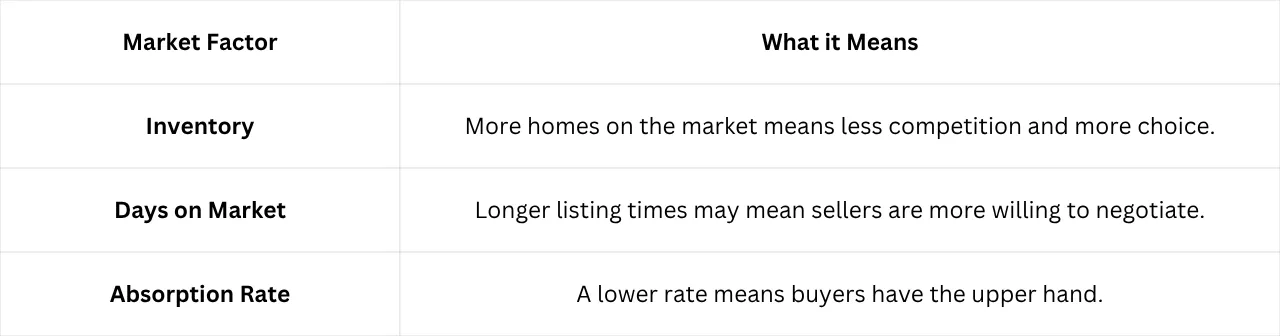
🔎 Example: If there are 100 homes listed in your area and only 25 sell each month, that’s a 25% absorption rate—suggesting supply is outpacing demand.
Should You Buy in a Seller’s Market?
Even if conditions lean seller-friendly, that doesn’t mean it’s a bad time to buy. If home values continue to rise or interest rates start dropping again, waiting could cost more. Owning sooner may also help you build equity instead of paying rent—and CapCenter’s ZERO Closing Cost loans help make that easier and more affordable.
2. Your Home Buying Goals
Market timing matters—but your personal goals matter more. Ask yourself:
- Are you buying a forever home, or a starter home?
- Do you need to move because of a job, growing family, or school district?
- Are you trying to stop renting and build equity, or looking for a lifestyle upgrade?
In real estate, time in the market often matters more than timing the market. If you're planning to stay put for several years, short-term market shifts won’t matter nearly as much as getting into the right home with the right financing.
3. Your Financial Readiness
The strongest buyers aren’t just market watchers—they’re financially prepared. Here's what to evaluate:
- Income stability: Lenders want to see consistent income and job history.
- Credit score: Higher scores mean better rates. Aim for 700+ for the best terms.
- Debt-to-income ratio (DTI): Lenders usually prefer a DTI under 43%.
- Down payment: You may not need 20%. First-time buyer programs often allow for as little as 3% down.
- Savings: Beyond the down payment, you’ll want a cushion for home maintenance and unexpected costs.
💡 Good news: With CapCenter’s ZERO Closing Cost Mortgage, you don’t need to bring thousands to the table just to cover fees—so that down payment goes further.
So… Is It a Good or Bad Time to Buy?
It’s a good time if:
- You’re financially ready.
- You’ve found a home that fits your goals.
- You want to stop renting and start building equity.
- You want to buy before rates possibly drop and competition spikes again.
It might be worth waiting if:
- Your finances need more time to stabilize.
- You’re not sure where you want to live long-term.
- You’re only trying to time the market for a “deal.”
CapCenter Makes It Easier—In Any Market
Whether it’s a buyer’s market, seller’s market, or something in between—CapCenter helps make the home buying process easier, faster, and more affordable.
We combine home search, mortgage, and insurance services under one roof—and we eliminate lender fees, title fees, and most closing costs. That’s thousands of dollars saved, and a more streamlined experience from start to finish.
📘 Check out our Home Buyer’s Guide for a step-by-step look at how to prepare—and how we can help you every step of the way.