When you’re selling a home, first impressions matter. A lot. Buyers don’t just want to see a house—they want to picture themselves living in it. That’s where staging comes in. Done right, home staging creates emotional appeal, highlights the property’s best features, and minimizes distractions. And most importantly? It can help your home sell faster and for more money.
At CapCenter, our experienced real estate agents have seen firsthand how effective staging can make the difference between a listing that lingers and one that gets snapped up. Whether you're working with a pro or staging it yourself, here’s a complete guide to staging a home that sells fast—and smart.
What Is Home Staging, and Why Does It Work?
Home staging is the process of preparing and presenting a property in its best possible light to appeal to the most potential buyers. It’s not decorating—it’s strategic merchandising.
The goal isn’t to show off your personal taste. It’s to create a neutral, inviting space that helps buyers visualize a lifestyle they want. Think: cozy, clean, open, and welcoming. This psychological edge often translates to real-world results: staged homes tend to sell faster and often at higher prices than unstaged ones.
At CapCenter, we’ve worked with sellers who saw increased showing traffic and quicker offers simply from making a few key staging adjustments.
Start with a Clean Slate
Before you can make a space shine, it needs to be spotless. And we don’t just mean tidy—this is deep-cleaning territory. Scrub grout, wipe baseboards, polish appliances, clean windows (yes, even the tracks), and steam carpets. Buyers notice the details, and cleanliness signals that the home has been well cared for.
If cleaning isn’t your forte or time is short, hiring a professional cleaning service is money well spent. First impressions are hard to undo.
Declutter and Depersonalize
Next, remove clutter. That means clearing off countertops, thinning out bookshelves, and storing away anything that doesn’t add to the space. Clutter makes rooms feel smaller and distracts from your home’s features.
Just as important—remove personal items. Family photos, kid art, loud décor, collections, and personalized signs should all go. You want buyers to picture their story in the home, not yours. Neutralizing the space allows them to mentally move in.
Tip: Less furniture can make rooms appear larger. If possible, remove oversized or excess pieces to open up the layout.
Focus on the Big Three: Living Room, Kitchen, and Primary Bedroom
If you’re short on time or budget, prioritize staging the areas that matter most to buyers. According to industry surveys, the living room, kitchen, and primary bedroom carry the most weight in a buyer’s decision-making process.
Living Room:
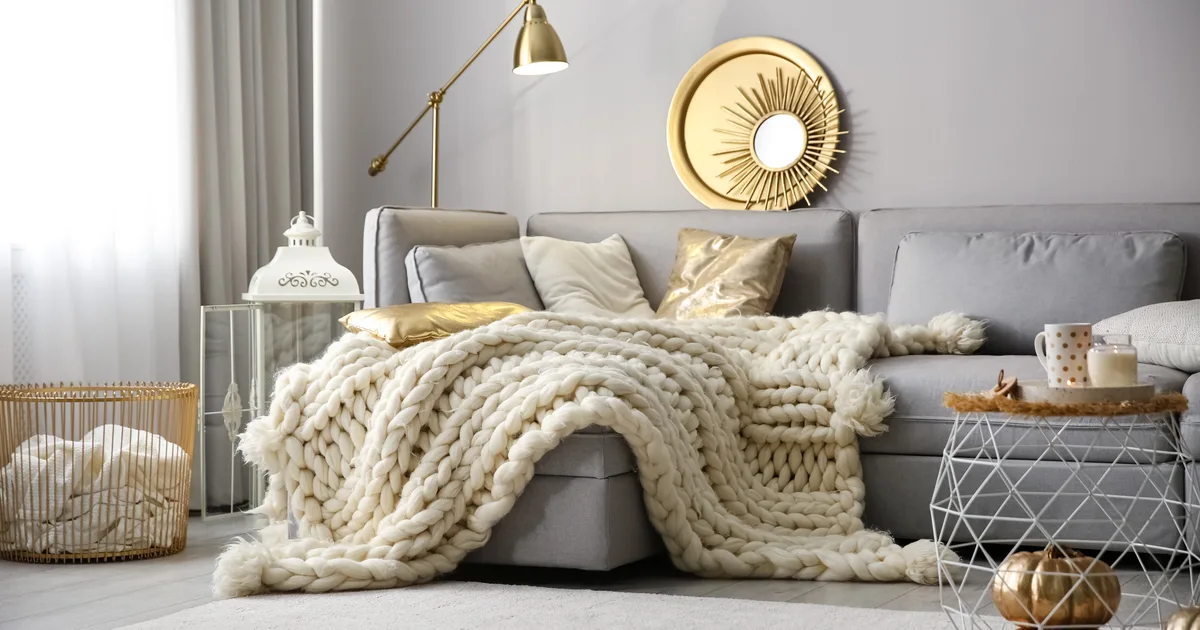
Create a welcoming space with ample seating, warm lighting, and neutral tones. Remove bulky furniture and arrange seating to encourage conversation and flow.
Kitchen:
Clear off all counters except one or two decorative items (like a bowl of lemons or a vase of flowers). Hide away dish racks, small appliances, and fridge magnets. If your cabinets are older, consider new hardware for a cost-effective refresh.
Primary Bedroom:
Make this space feel like a relaxing retreat. Neutral bedding, minimal décor, and soft lighting go a long way. Clear closets to about 50–60% full to suggest generous storage.
Bathrooms:
Put out fresh towels, clear the vanity and add a new shower curtain if needed.
Entry:
Sweep, trim nearby plants and add a clean doormat so the first steps inside feel welcoming.
Light It Up
Lighting can make or break a showing. Bright, well-lit rooms feel larger, cleaner, and more inviting. Dark rooms can feel cramped or dreary.
Start by maximizing natural light—open blinds, pull back curtains, and wash the windows. Then layer in artificial light: overhead lighting, floor lamps, and table lamps. Aim for warm, soft white bulbs rather than harsh or overly yellow tones.
Pro tip: Turn on all the lights before a showing to create an instantly bright, welcoming vibe.
Paint with Purpose
One of the most impactful upgrades you can make is a fresh coat of paint in a neutral color. Shades like soft greige, warm whites, and muted taupes create a clean canvas that appeals to the widest audience.
Avoid bright or bold colors, even if they’re on trend. What works on Instagram may not work for your buyer pool. You want buyers thinking about where their couch will go—not how much it’ll cost to repaint.
Highlight the Home’s Best Features
Good staging puts the spotlight on a home’s selling points. If you’ve got large windows, make sure window coverings don’t hide them. Have a fireplace? Draw the eye with a subtle arrangement on the mantle. Built-in shelves? Style them with a mix of books, greenery, and neutral objects.
If your home has an open floor plan, use rugs and furniture to subtly define each area—dining, living, entry. This helps buyers understand how the space functions.
Create Lifestyle Moments
Staging isn’t just about space—it’s about selling a lifestyle. Small vignettes can spark imagination:
- A breakfast tray on the bed
- A reading nook with a cozy throw
- A set dining table with simple place settings
- A bench by the front door with a welcome mat and basket
These touches add emotional pull and help buyers connect with the home.
Don’t Forget the Outside
Curb appeal sets the tone before buyers even walk in. Mow the lawn, trim the hedges, weed the flowerbeds, and pressure wash walkways if needed. A fresh welcome mat, clean porch light, and some potted plants can go a long way.
If you’re selling in the spring or summer, make sure the yard looks lush and maintained. In fall or winter, keep things tidy and seasonally appropriate—think pumpkins in October or evergreen planters in December.
Backyards matter too. A small outdoor seating area or fire pit setup can turn a yard into an extra “room” in the eyes of buyers.
Stage with Scent and Sound in Mind
Home staging isn’t just visual—it’s also about creating a welcoming sensory experience.
Smell: Avoid strong air fresheners or candles that might trigger sensitivities. Instead, go for a light, clean scent. A simmer pot on the stove (think citrus and cinnamon) or a diffuser with a gentle essential oil blend can work wonders.
Sound: Soft background music during showings can help buyers relax. Stick with instrumental, easygoing genres like acoustic or classical.
Just remember: if your home has any persistent odors (pets, smoke, cooking), those need to be addressed at the source—not just covered up.
Virtual Staging vs. Physical Staging
In some cases, virtual staging—digitally adding furnishings and decor to listing photos—can be a helpful tool, especially if the home is vacant. It’s cost-effective and allows buyers to see the potential of a space online.
But virtual staging only goes so far. It doesn’t help with in-person showings. If your home will be physically toured, actual staging is key.
If you use virtual staging, label those photos as virtually staged so buyers aren’t surprised when they visit. For an empty home, even a few key pieces, like a sofa or a bed, help buyers judge the size of each room.
At CapCenter, our realty team helps sellers evaluate what kind of staging—if any—is necessary for your specific property and price point. Sometimes minimal touch-ups are enough. Other times, professional stagers can make a dramatic difference.
Should You Hire a Professional Stager?
Professional staging can range from a few hundred to a few thousand dollars depending on the size of the home and level of service. While it’s an added cost, many sellers see a solid return in the form of faster sales and higher offers.
If your home is vacant or has unusual layout challenges, a pro can help maximize its appeal. But if you’re still living in the home and have decent furnishings, DIY staging with expert guidance from your listing agent may be all you need.
Some stagers offer a one-time consultation, and others bring in furniture for the length of the listing. Ask what’s included, how long the furniture stays and how pricing works before you agree. For empty homes, see selling a vacant home.
At CapCenter, our agents are seasoned pros at walking you through staging strategies that align with your goals and timeline—without overinvesting.
Keeping the Budget Small
Many staging wins cost little, especially if you already own neutral linens and can borrow a few decor pieces. Your actual costs depend on the size and condition of your home.
Paint is often the best value. A soft neutral can cover bold colors, scuffs and past repairs. Spend first on what shows up in listing photos, since most buyers see your home online before they visit. See getting your home ready for listing photos.
Common Staging Mistakes to Avoid
- Overstaging – Too much furniture or décor can feel forced or cluttered. Keep it simple and intentional.
- Ignoring repairs – Staging won’t cover up broken fixtures, damaged floors, or peeling paint. Address needed repairs before showings.
- Too much personal style – Even if your taste is stunning, bold choices can alienate buyers. Err on the side of mass appeal.
- Leaving pets (or evidence of pets) out – Not every buyer is an animal lover. Tuck away pet beds, bowls, and toys during showings.
Final Staging Walkthrough Before Showings
Right before each showing, do a quick walkthrough and hit these high-impact touchpoints:
- Open all blinds and turn on lights
- Wipe down counters and sinks
- Hide away dishes, trash cans, and laundry
- Straighten pillows, make beds, and fluff towels
- Tuck away personal items in bathrooms
- Confirm the temperature is comfortable
This extra attention to detail can help your home stand out in a crowded market—and ensure buyers leave with a strong, lasting impression.
CapCenter Can Help You Sell Faster—Without the Extra Costs
Staging is just one piece of the selling puzzle. Having the right real estate partner makes all the difference.
CapCenter offers expert real estate agents who understand your local market, your goals, and what it takes to get offers fast. And because we do things differently, we help you keep more of your equity. Our listing services come at a significantly lower fee than traditional brokerages—especially when bundled with our mortgage services.
Plus, if you’re buying and selling at the same time, our ZERO Closing Cost Mortgage can save you thousands on your next purchase. That’s what we’ve been doing since 1997: saving people money and making the home journey smoother.
Ready to sell?
Use our Home Valuation Tool to see what your house is worth today. Or connect with one of our top-rated local agents for personalized advice.
Let’s get your home staged, listed, and sold—faster and smarter.