Home insurance premiums have climbed steadily over the past several years, and many homeowners already know the renewal notice is going to be painful before they even open it. That has pushed more people to shop around for new coverage, compare carriers, and look for ways to lower their monthly costs. In many cases, that is the right move. The problem is that homeowners often focus entirely on premium price without fully comparing the policies behind those numbers.
A lower monthly premium can look attractive right up until the moment a claim happens and the policy does not respond the way you expected. Sometimes the cheaper quote comes with significantly higher deductibles, lower coverage limits, or exclusions that were never fully understood during the shopping process. The goal should not simply be finding the cheapest policy available. The goal should be finding the right protection at the best overall value.
At CapCenter, our insurance team shops policies across more than 30 carriers nationwide to help homeowners compare coverage side by side. Many clients also find additional savings by bundling home and auto insurance together, which can significantly change the math when comparing quotes. Most importantly, the process is designed to help homeowners understand what they are actually buying instead of simply chasing the lowest premium.
Start With the Reason You're Switching
Before you begin comparing quotes, it helps to understand what is actually driving the decision to switch carriers in the first place. Different situations should lead to different priorities, but many homeowners skip this step entirely and go straight to shopping rates.
For some homeowners, the motivation is straightforward. Their premium increased sharply at renewal, and they want to reduce their monthly cost. Others may have had a poor claims experience and no longer trust their current carrier. Some homeowners receive non-renewal notices, while others may have completed renovations or upgrades that changed the replacement value of the home. Each of those scenarios points toward a different type of comparison.
If the issue is affordability, then deductibles, bundling opportunities, and available discounts become especially important. If the concern is claims handling, then customer satisfaction and carrier reputation should matter far more than saving a few dollars per month. And if the home itself has changed through renovations or additions, the priority should be making sure the coverage accurately reflects the property as it exists today.
This is one of the biggest reasons homeowners end up disappointed after switching carriers. They solve one problem while accidentally creating another because they never identified what they were truly trying to fix in the first place.
Compare the Coverage Before Comparing the Price
One of the most common mistakes homeowners make is assuming two policies are equivalent simply because they are both labeled as homeowners insurance. In reality, policies can vary dramatically from one carrier to another, even when the premiums appear relatively close.
The dwelling coverage limit is one of the most important areas to review carefully. This is the amount your insurer would pay to rebuild your home after a total loss. It is not based on your mortgage balance or what you originally paid for the property. Instead, it reflects what it would cost to rebuild the structure using current labor and material pricing.
Construction costs have increased substantially in recent years, and many homeowners are now unknowingly underinsured because their coverage has not kept pace with those changes. A lower premium may simply reflect lower rebuilding coverage, which can create major financial problems after a serious loss.
Personal property coverage is another area that deserves close attention. Many homeowners do not realize there is a major difference between replacement cost coverage and actual cash value coverage. Replacement cost coverage pays what it would cost to purchase a new version of the damaged item today. Actual cash value coverage factors in depreciation, meaning older items may only be reimbursed for a fraction of their replacement cost.
That distinction becomes very important after a large claim involving furniture, electronics, appliances, or roofing materials. The cheaper policy is not necessarily the better deal if it leaves you covering much larger replacement costs out of pocket later.
Liability protection also deserves more attention than many homeowners give it. Standard policies often begin around $100,000 in liability coverage, which sounds substantial until you consider the cost of lawsuits, legal fees, or major injuries occurring on your property. Increasing liability limits is usually relatively affordable and often provides some of the best value on the policy.
Loss of use coverage is another section people frequently overlook during the shopping process. This coverage helps pay for temporary housing, meals, and other expenses if your home becomes uninhabitable during repairs after a covered loss. Some policies provide far more generous protection here than others, and the difference becomes very real during a long repair process.
Pay Close Attention to Exclusions
One of the biggest misconceptions surrounding homeowners insurance is the belief that it covers every type of damage involving the home. Unfortunately, that is far from true.
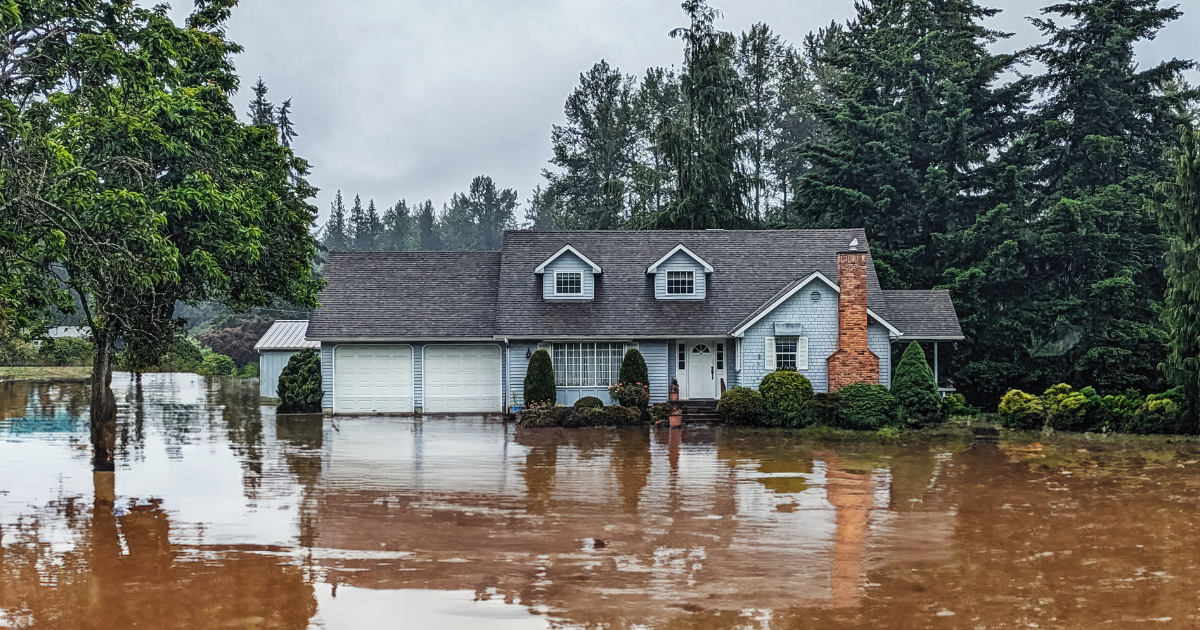
Flood damage is excluded from standard homeowners insurance policies regardless of which carrier issues the policy. Homeowners in or near flood-prone areas may need separate flood insurance through the National Flood Insurance Program or a private insurer. Many homeowners discover this gap only after severe weather causes damage that their policy does not cover.
Water backup coverage is another important example. Sewer backups and sump pump failures can cause extensive and expensive damage, particularly in finished basements. In many cases, this coverage must be added separately through an endorsement.
Earthquake coverage is also excluded from most standard policies and requires separate protection in higher-risk areas. Service line coverage, which protects underground utility lines between the home and the street, is another increasingly popular endorsement that many homeowners overlook entirely.
This is why comparing policies based only on premium price can become dangerous. A cheaper quote may simply exclude important protections that another policy includes automatically. Homeowners should review not only what is covered, but also what is excluded and what optional endorsements are available to fill those gaps.
Deductibles Are More Complicated Than Most People Think
Most homeowners think of their deductible as a single number listed on the declarations page. In reality, many policies contain multiple deductibles depending on the type of claim involved.
There is usually a standard deductible that applies to most losses. However, many policies also include separate deductibles for wind, hail, or hurricane-related claims. In coastal or storm-prone areas, these deductibles are often percentage-based instead of flat dollar amounts.
That distinction can dramatically change your out-of-pocket exposure during a major loss. A 2% hurricane deductible on a home insured for $500,000 means the homeowner is responsible for the first $10,000 of covered damage before insurance begins paying.
Over the past several years, insurers have steadily increased deductibles as claims costs have risen. Many homeowners switching carriers do not realize their new policy includes significantly higher deductibles than their old one because they focus almost entirely on the premium.
A lower monthly payment does not necessarily mean lower overall financial risk. Homeowners should compare every deductible carefully and ask themselves whether they could comfortably cover that amount if a major claim happened tomorrow.
Raising deductibles can absolutely be a smart strategy for lowering premiums, especially for homeowners with strong emergency savings. The key is understanding the tradeoff and making an intentional decision instead of accidentally discovering the higher deductible after a claim occurs.
Research the Carrier, Not Just the Quote
Price matters, but the company behind the policy matters just as much.
Insurance only works when the carrier can actually deliver during stressful situations. Before switching companies, homeowners should spend at least some time reviewing the insurer’s financial strength and claims reputation.
Financial strength ratings from organizations like AM Best help indicate whether the carrier has the financial stability to handle large-scale claims events. This becomes especially important in regions vulnerable to hurricanes, severe storms, wildfires, or other catastrophic losses.
Claims handling is equally important. Some carriers build strong reputations for fast communication, fair settlements, and smooth claims experiences. Others become known for delays, disputes, or aggressive claim denials.
Customer reviews should not be the only factor homeowners rely on, but complaint ratios, industry rankings, and claims satisfaction studies can provide valuable context about what working with a particular carrier may actually feel like when something goes wrong.
The cheapest policy often stops looking inexpensive if the claims process becomes a months-long battle.
Bundling Home and Auto Insurance Can Create Major Savings
Many homeowners compare home insurance quotes independently without looking at the broader picture of their overall insurance costs. In many cases, the biggest opportunity for savings comes from bundling home and auto insurance together.
Carriers frequently offer substantial discounts when multiple policies are combined. Sometimes the carrier with the cheapest standalone home insurance quote is not actually the best overall value once auto insurance is factored into the equation.
This is one of the advantages of working with an insurance team that can compare multiple carriers at once rather than only offering products from a single company.
At CapCenter, our insurance team shops across more than 30 carriers nationwide to compare bundled pricing opportunities for homeowners. Clients who bundle home and auto insurance through CapCenter save an average of 25% compared to what they were previously paying. Those savings often come from identifying stronger combinations across multiple carriers rather than focusing on a single policy in isolation.
Homeowners should also ask about additional discounts that may apply based on features of the home or their insurance history. New roofs, updated electrical systems, monitored security systems, leak detectors, and claims-free histories can all potentially reduce premiums.
While individual discounts may seem relatively small on their own, they can add up meaningfully when combined together.
Make Sure the Switch Happens Correctly
The process of switching homeowners insurance is generally straightforward, but timing matters more than many homeowners realize.
The most important rule is making sure the new policy is fully active before canceling the old one. Even a brief coverage gap can create serious problems, especially for homeowners with mortgages.
If your insurance is escrowed through your mortgage lender, the lender will need updated policy information and proof of coverage. The new insurer also needs to list the mortgage company properly on the policy as the loss payee.
Mistakes during this transition can trigger lender-placed insurance, which is typically far more expensive and often provides weaker coverage than a traditional homeowners policy.
This is another area where having everything coordinated under one roof can simplify the process considerably. If your mortgage is through CapCenter and you switch coverage through CapCenter Insurance, our teams can help coordinate the escrow update and keep the transition moving smoothly.
Homeowners should also know they do not need to wait until renewal to switch carriers. Policies can generally be canceled mid-term, and unused premiums are usually refunded on a prorated basis.
Switching insurance carriers also does not affect your credit score or your mortgage itself.
Sometimes Staying Put Is the Better Decision
Not every premium increase automatically means switching carriers is the right move.
If your current insurer has handled claims well, provides strong coverage, and has maintained a solid reputation, changing companies simply to save a relatively small amount each month may not ultimately be worth it.
In some cases, homeowners can reduce costs by adjusting deductibles, reviewing discounts, or re-evaluating optional coverages with their current insurer before deciding to leave entirely.
It is also usually best to avoid switching while an active claim remains open. The current insurer will continue handling the claim even after cancellation, but open claims can complicate underwriting with a new carrier and may affect pricing or eligibility.
Homeowners should also be cautious about teaser rates that look extremely attractive upfront. Some carriers price aggressively during the first policy term and then increase premiums sharply at renewal. Asking about long-term pricing trends and renewal expectations can help homeowners avoid ending up back in the same situation a year later.
The Bottom Line
Switching home insurance carriers can absolutely save homeowners meaningful money, especially if they have not reviewed their coverage in several years. The key is making sure the comparison goes deeper than the premium listed at the top of the quote.
Coverage limits, exclusions, deductibles, claims reputation, financial strength, and bundling opportunities all play an important role in determining the true value of a policy. The right choice is rarely the cheapest quote in isolation. It is the policy that provides the protection you actually need from a carrier you can trust at a price that makes sense for your overall financial picture.
If you are considering switching carriers, contact CapCenter’s insurance team today. We can help compare options across more than 30 insurance companies and identify opportunities to save through bundling home and auto coverage together.